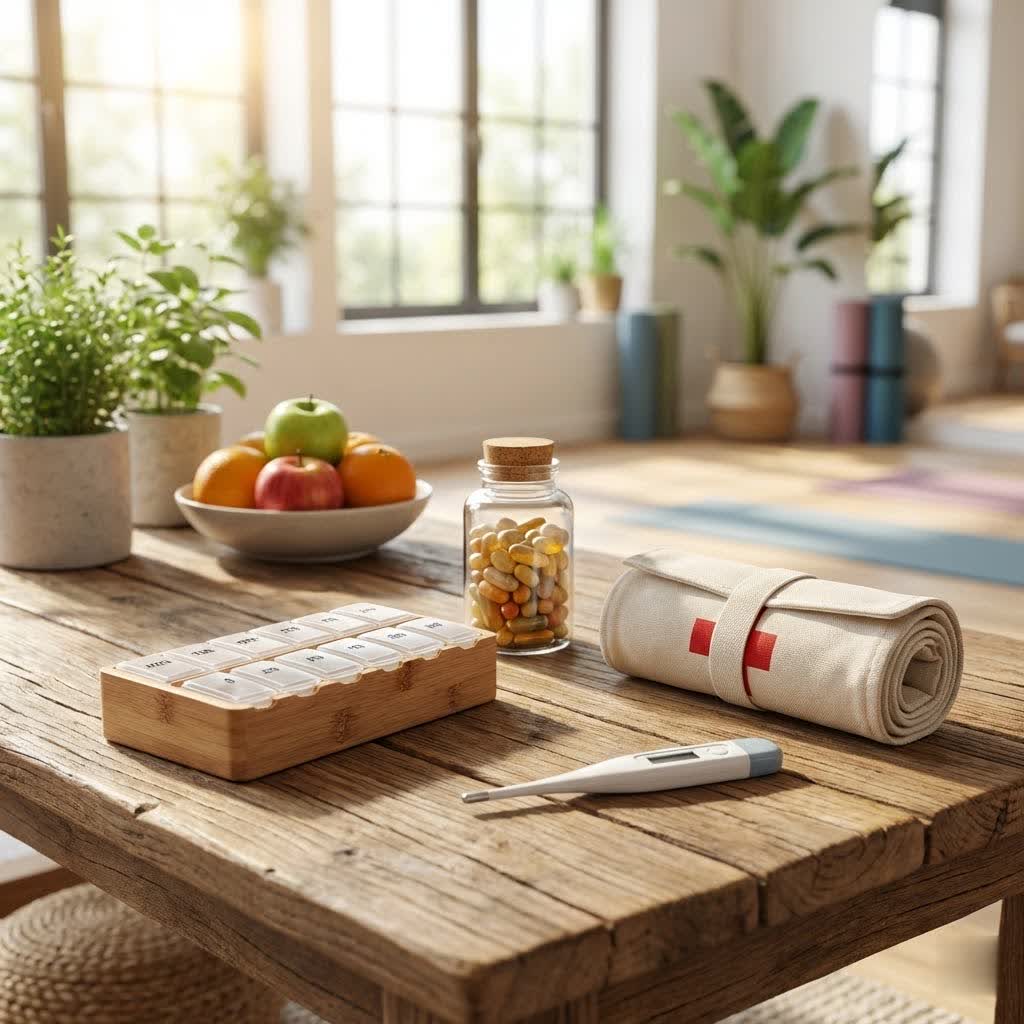
Heading out on the water promises adventure and tranquility, but responsible boaters know that preparedness is paramount. A well-stocked Boat Medical Kit isn’t just a recommendation; it’s a vital safety component that can make all the difference in an emergency, ensuring you and your crew are ready for any unexpected health challenge far from shore.
What is a Boat Medical Kit and Why Do You Need One?
A boat medical kit is a specialized collection of medical supplies designed to address injuries and illnesses that can occur in a marine environment. Unlike a standard home first-aid kit, a boat kit accounts for unique challenges such as limited access to professional medical care, prolonged response times, and conditions specific to the water, like motion sickness, sunburn, marine stings, and slippery decks leading to falls.
Being out on the water, whether for a few hours or an extended voyage, inherently carries risks. Minor cuts from fishing hooks, unexpected falls due to waves, or severe sunburn can quickly escalate without immediate attention. Moreover, unique marine hazards like jellyfish stings or propeller injuries demand specific treatments. A comprehensive medical kit provides the tools to manage these situations effectively, stabilize conditions, and offer comfort until professional help can be reached, potentially saving lives and mitigating further harm.
Types of Boat Medical Kits
Choosing the right medical kit for your vessel depends heavily on your boating style, the duration of your trips, and the number of people typically onboard. Each type is designed with a specific level of preparedness in mind.
Recreational/Day-Tripper Boat Medical Kits
These kits are ideal for smaller boats and short excursions, such as an afternoon of fishing or a quick sail near the coast. They focus on addressing common minor injuries and ailments.
- Components: Adhesive bandages, antiseptic wipes, basic pain relievers, sting relief, and antibiotic ointment.
- Pros: Compact, affordable, and easy to store.
- Cons: Limited in scope, not suitable for serious emergencies or extended trips.
|
Our Picks for the Best Medical Kit in 2026
We may earn a commission when you use one of our links to make a purchase.
|
||
| Num | Product | Action |
|---|---|---|
| 1 | Large First Aid Kit for Car, Travel & Home - Emergency Kit for Hiking, Camping, Backpacking and Outdoors - Includes Zip Stitch Wound Closure Strips |

|
| 2 | Survival Kit, 262Pcs Survival Gear and Supplies with First Aid Kit Pouch and Crossbody Bag, Emergency Kit with Tent, Camping Axe Hammer, Survival Shovel w/Pick, Bug Out Bag Gifts for Men Women |
|
| 3 | Large Pro First Aid Kit for Car, Travel & Home - Emergency Kit for Hiking, Camping, Backpacking and Outdoors - Includes Zip Stitch Wound Closure Strips |
|
| 4 | Adventure Medical Kit Ultralight/Watertight Medical Kit .5 - Up to 2 People, Up to 2 Days - Includes Bandages, Blister Essentials & More - Perfect for Hiking, Biking & Climbing |
|
| 5 | Mini First Aid Kit - 150 Piece Small Waterproof Hard Shell Medical Kit for Home, Car, Travel, Camping, Truck, Hiking, Sports, Office, Vehicle & Outdoor Emergencies- Small First Aid Medical Kit (Red) |
|
| 6 | 330 Piece First Aid Kit, Premium Waterproof Compact Trauma Medical Kits for Any Emergencies, Ideal for Home, Car, Travel, Camping, Hiking, Truck, Office, Sports (Medium) |
|
| 7 | Sundaymot Doctor Kit for Kids, 34 Pcs Pretend Playset for Toddlers, Doctor kit for Toddlers 3-5, with Medical Bag, Stethoscope and Other Accessories, for Boys and Girls Fun Role Playing Game |
|
| 8 | Zonon Naloxone Overdose Emergency Kit Cabinet with Handle 7.5" L x 3.5" W x 9" H Magnetic Closing First Aid Cabinet Wall Mount Metal Medical Box for Public Space Storage Solution, White |
|
| 9 | Be Smart Get Prepared First Aid Kit Hard Red Case 326 Pieces Exceeds OSHA and ANSI Guidelines 100 People - Office, Home, Car, School, Emergency, Survival, Camping, Hunting and Sports (20HBC01015REV3) |
|
| 10 | Car First Aid Kits 275Pcs Survival Gear Home Travel Size Small Emergency Kit Tactical Hiking EVA Camping Essentials Backpack Sports Office Boat Urgent Accident |
|
Coastal/Weekender Boat Medical Kits
Stepping up from basic kits, coastal medical kits are suited for small to medium-sized boats venturing further from shore for day trips or overnight stays. They offer a broader range of supplies for more significant minor injuries and general health issues.
- Components: In addition to basic supplies, they typically include gauze pads, elastic bandages, burn cream, motion sickness tablets, scissors, and tweezers.
- Pros: More comprehensive than basic kits, water-resistant casing, and better equipped for common incidents during longer outings.
- Cons: May still lack advanced trauma care or a wide array of medications for extended periods.
Offshore/Expedition Boat Medical Kits
For serious cruisers, long-distance sailors, or larger groups on extended voyages, an offshore medical kit is essential. These kits are designed to handle a wider array of medical emergencies, including trauma, and to sustain care for longer periods when medical facilities are hours or days away.
- Components: Extensive bandages, splints, serious burn dressings, sterile eyewash, CPR necessities, rescue blankets, a broader range of over-the-counter medications, and sometimes prescription-strength medications (if administered by trained personnel).
- Pros: Highly comprehensive, often contained in durable, waterproof, or even floating cases, suitable for severe emergencies.
- Cons: Larger, heavier, more expensive, and may require some basic medical knowledge to utilize fully.
Specialized Boat Medical Kits
Certain vessels or activities may require even more specialized kits. Commercial fishing boats, superyachts, or boats used for specific sports like diving often need kits tailored to their unique risks, potentially including oxygen administration equipment or specific anti-venom for regional marine life.
- Components: Highly specific to regulatory requirements or activity-related risks.
- Pros: Optimized for very particular scenarios.
- Cons: Not necessary for general recreational boating, can be very costly and require professional maintenance.
Essential Components of a Boat Medical Kit
A truly effective boat medical kit is a carefully curated collection, far beyond just a few band-aids. Here’s a breakdown of what should typically be included:
-
Bandages and Dressings: Essential for managing wounds, from small cuts to larger injuries.
- Adhesive bandages (various sizes, waterproof): For everyday minor cuts and scrapes.
- Gauze pads (sterile, assorted sizes): To clean and cover wounds.
- Roller and elastic bandages (e.g., ACE wraps): For sprains, strains, and holding dressings in place.
- Medical adhesive tape (waterproof): Secures bandages and dressings.
- Butterfly bandages/Sterile wound closures: To help close small lacerations.
- Sterile pressure bandages/Trauma pads: For controlling heavy bleeding.
-
Antiseptics and Cleansing: Crucial for preventing infection in marine environments.
- Antiseptic wipes or solution (e.g., Povidone-Iodine, Chlorhexidine): To clean wounds thoroughly.
- Antibiotic ointment/cream: Applied to wounds after cleaning to prevent infection.
- Hydrocortisone cream: For insect bites, rashes, and minor skin irritations.
- Saline solution/Eyewash: For irrigating eyes or flushing wounds.
-
Pain Relief and Medications: To manage common ailments and provide comfort.
- Pain relievers (e.g., ibuprofen, acetaminophen, aspirin): For headaches, muscle aches, and fever.
- Motion sickness medication (e.g., dimenhydrinate): A must-have for many boaters.
- Antihistamines (oral and cream): For allergic reactions, insect bites, and rashes.
- Anti-diarrhea medication: For gastrointestinal upset.
- Antacids: For heartburn or indigestion.
- Burn gel/cream: For soothing minor burns and sunburn.
-
Tools and Instruments: For effective treatment and basic assessment.
- Scissors (bandage and sharp): For cutting tape, gauze, or clothing.
- Tweezers (fine-tipped): For removing splinters, thorns, or marine stingers.
- Disposable gloves (nitrile or latex-free): Protect both the rescuer and the injured person.
- CPR face shield/breathing barrier: For safe mouth-to-mouth resuscitation.
- Thermometer (digital): To check for fever or hypothermia.
- Splint material (malleable or rigid): For immobilizing suspected fractures or sprains.
- Emergency blanket (thermal): To treat shock or hypothermia.
- Penlight: For examining pupils or working in low light.
- Safety pins: Useful for securing bandages or slings.
-
Emergency Specific Items:
- First aid manual/guide: A quick reference for treatment protocols.
- Waterproof notepad and pencil: For recording symptoms, times, and treatments.
- Whistle/Signal mirror: For emergency signaling.
-
Personal Medications:
- Always ensure any prescribed personal medications for crew or regular guests are kept in a separate, easily accessible, waterproof container.
Comparing Boat Medical Kits
When selecting a boat medical kit, understanding the distinctions between various offerings is crucial. Here’s a comparative overview:
| Feature | Recreational/Day-Tripper Kit | Coastal/Weekender Kit | Offshore/Expedition Kit |
|---|---|---|---|
| Primary Use | Short trips, minor incidents | Day/overnight trips, common injuries | Extended voyages, serious emergencies |
| Key Contents | Bandages, antiseptic wipes, pain relief | Adds gauze, elastic bandages, burn cream | Adds splints, trauma dressings, advanced meds |
| Size/Portability | Very compact, fits small spaces | Moderate, often water-resistant | Large, durable, fully waterproof, often floating |
| Price Range | Low ($20-$50) | Medium ($50-$150) | High ($150-$500+) |
| Best For | Casual lake/river boating | Coastal cruising, short fishing trips | Ocean crossing, remote destinations |
| Examples | Orion Runabout, basic compact kits | Orion Weekender, Adventure Medical Kits | Orion Offshore, MyMedic MyFAK |
| Regulatory Fit | Minimal requirements (often personal choice) | Often meets basic recreational safety standards | May align with commercial or extended voyage regulations |
Coastal kits provide a good balance for most recreational boaters, offering more than just the basics without being overly complex. Offshore kits are a significant investment but essential for venturing far from civilization, providing comprehensive tools for advanced care.
How to Choose the Right Boat Medical Kit (Buying Guide)
Selecting the best boat medical kit requires careful consideration of your specific needs and the environment you’ll be navigating.
-
Assess Your Boating Needs:
- Are you primarily inshore on a lake or river, or do you venture into coastal waters or offshore? The farther you go, the more comprehensive your kit needs to be.
- How many people are typically on your boat? A solo sailor needs a different kit than a family of six.
- What activities do you engage in? Fishing, diving, water sports, or simply cruising all come with different injury risks.
-
Consider the Environment and Trip Duration:
- Waterproof Protection: This is non-negotiable for any boat kit. Look for durable, genuinely waterproof cases or dry bags to protect contents from spray, rain, or accidental submersion. Some kits even float.
- Climate: Will you face extreme heat, cold, or high humidity? Ensure medications and supplies are stored appropriately and won’t degrade.
-
Check Contents and Quality:
- Comprehensive Inventory: Refer to the “Essential Components” section. Does the kit include a wide range of supplies suitable for marine conditions?
- Quality of Items: Cheap bandages and tools can fail when you need them most. Invest in a kit with medical-grade supplies from reputable manufacturers.
- Expiry Dates: Pre-packaged kits should have fresh supplies. Always check expiry dates and note them for regular replacement.
-
Evaluate Storage and Durability:
- Organization: A well-organized kit with clear compartments allows for quick access in an emergency. Look for kits with transparent pockets or labeled sections.
- Case Design: Hard cases offer superior protection against crushing and impact, while soft cases might be more flexible for tight storage spaces. Consider if it needs to be mountable.
-
Read Reviews and Compare Brands:
- User Experiences: Check reviews from other boaters. They often provide practical insights into a kit’s usability, durability, and effectiveness in real-world situations.
- Reputable Brands: Brands like Orion, Surviveware, Adventure Medical Kits, and MyMedic offer a range of marine-specific first aid solutions known for their quality.
Reputable Boat Medical Kit Brands
Several brands specialize in creating medical kits tailored for marine environments, earning trust through robust design and comprehensive contents.
- Orion Safety Products: Well-known for its range of marine safety equipment, Orion offers various first aid kits, from the compact “Runabout” for basic needs to the extensive “Offshore” kit designed for extended voyages. Their kits often feature water-resistant or waterproof casings.
- Surviveware: Popular for its highly organized and durable soft-case first aid kits, including waterproof options. Their kits are praised for clear labeling and practical layouts, making it easy to find what you need quickly.
- Adventure Medical Kits: This brand is a leader in outdoor and wilderness first aid. Their “Marine Series” kits are specifically designed for boaters, offering specialized components for common marine injuries and illnesses, in compact and robust packages.
- MyMedic: Known for its “MyFAK” (My First Aid Kit) line, MyMedic offers high-quality, trauma-focused kits built with ballistics-grade nylon. While some models are general-purpose, their durability and comprehensive component list make them suitable for serious offshore use.
- First Aid Only / EVERLIT: These brands offer a wide array of general-purpose and emergency kits that can be adapted for marine use, often at competitive price points. When choosing these, prioritize models with waterproof features or supplement them with a dry bag.
Effective Use of Your Boat Medical Kit
Having a boat medical kit is only half the battle; knowing how to use it effectively is equally important. Even basic first aid knowledge can be a lifesaver on the water.
- Familiarize Yourself with Contents: Before an emergency strikes, take the time to know what’s in your kit and where each item is located. Understand the basic purpose of each supply.
- Basic First Aid Training: Consider taking a marine first aid or CPR course. Knowing how to perform CPR, stop severe bleeding, or manage shock can drastically improve outcomes.
- Prioritize Safety: Always ensure the scene is safe before approaching an injured person. On a boat, this might mean shutting off engines, stabilizing the vessel, or moving to a calmer area.
- Assess and Act: Follow the “Check, Call, Care” principle.
- Check: Assess the situation and the injured person.
- Call: If necessary, use your VHF radio or satellite phone to call for help (e.g., Coast Guard, local marine patrol).
- Care: Administer appropriate first aid using your kit.
- Specific Marine Injury Responses:
- Seasickness: Administer medication, encourage fresh air, and have the individual lie down if possible.
- Sunburn: Apply burn cream/gel and keep the area covered. Prevent further exposure.
- Marine Stings (e.g., jellyfish): Rinse with seawater (not fresh water) to remove stingers, then apply sting relief or hot water (if available and safe) to neutralize venom.
- Falls/Head Injuries: Immobilize the injured area if a fracture is suspected. Monitor for signs of concussion or severe head trauma.
- Administer Medications Safely: Always follow dosage instructions carefully. Be aware of any allergies among your crew or passengers.
- Keep a Record: Note the time of injury, symptoms, and all treatments given. This information is crucial for medical professionals once you reach shore.
Proper Maintenance and Storage of Your Boat Medical Kit
A boat medical kit is a significant investment in safety, and proper care ensures it’s always ready when needed.
- Ideal Storage Conditions:
- Accessibility: Store your kit in a readily accessible, yet secure, location. It should be easy to grab quickly but protected from being knocked around or damaged.
- Dry and Cool: Keep the kit in a dry, cool place, away from direct sunlight and extreme temperatures that can degrade medications and supplies. A waterproof container is essential.
- Clearly Marked: Ensure the kit is clearly labeled as a “First Aid Kit” or “Medical Kit” so anyone can find it quickly.
- Regular Inspection and Replacement:
- Monthly Checks: Briefly inspect your kit at least once a month, especially before any major trips.
- Annual Overhaul: Conduct a thorough annual inspection. Check all items for expiry dates, damage, or contamination. Replace anything that has expired, been used, or is no longer sterile.
- Batteries: If your kit contains electronic items like a digital thermometer, check the battery life.
- Refill Immediately: If you use any supplies during a trip, make sure to replenish them as soon as you return.
- Organization and Resupply:
- Keep it Tidy: A well-organized kit is a usable kit. After each inspection or use, repackage items neatly, ideally with similar items grouped together.
- Inventory List: Keep a printed inventory list inside your kit, crossing off used items and noting what needs to be replaced. This makes restocking much simpler.
- Customization: Over time, you might customize your kit based on specific needs or common incidents on your boat. Ensure any added items are stored safely and logically.
“A boat medical kit is not just a box of bandages; it’s a testament to your commitment to safety on the water. Regular maintenance transforms it from a mere collection of supplies into a reliable lifeline.” – Captain Alex Thorne, Marine Safety Instructor
Conclusion
Equipping your vessel with a comprehensive boat medical kit is a fundamental step toward ensuring safety and peace of mind on the water. From minor cuts to more serious emergencies, being prepared means you can confidently navigate the unexpected, knowing you have the tools to respond effectively. Remember, your specific needs will dictate the ideal kit—whether a compact day-tripper model or a robust offshore solution. Take the time to assemble, maintain, and understand your medical kit, and make marine safety a top priority. What’s the one item you’d never go boating without in your medical kit?
Frequently Asked Questions
What are the legal requirements for a boat medical kit?
Legal requirements for boat medical kits vary significantly by region, boat type (recreational vs. commercial), and distance from shore. Recreational vessels generally have fewer strict requirements than commercial ones, which may need to meet specific codes (e.g., USCG or MCA categories). Always consult your local maritime authority for exact regulations relevant to your vessel.
Can I build my own boat medical kit?
Absolutely! Building your own medical kit allows for complete customization to your specific needs, activities, and the number of people on board. This can be more cost-effective and ensure you have exactly what you need. Just be sure to use high-quality, sterile components and store them in a durable, waterproof container.
How often should I replace items in my boat medical kit?
You should conduct a thorough inspection of your boat medical kit at least annually, and preferably before every major trip. Replace any medications or sterile supplies that have expired. Items that have been opened, damaged, or used should be replenished immediately to ensure your kit is always fully stocked and ready.
What are common marine medical emergencies?
Common marine medical emergencies include seasickness, severe sunburn, dehydration, cuts and lacerations (often from fishing gear or sharp edges), sprains and fractures (from slips or falls), marine stings (jellyfish, stingrays), and allergic reactions. More serious incidents can involve head injuries or propeller accidents.