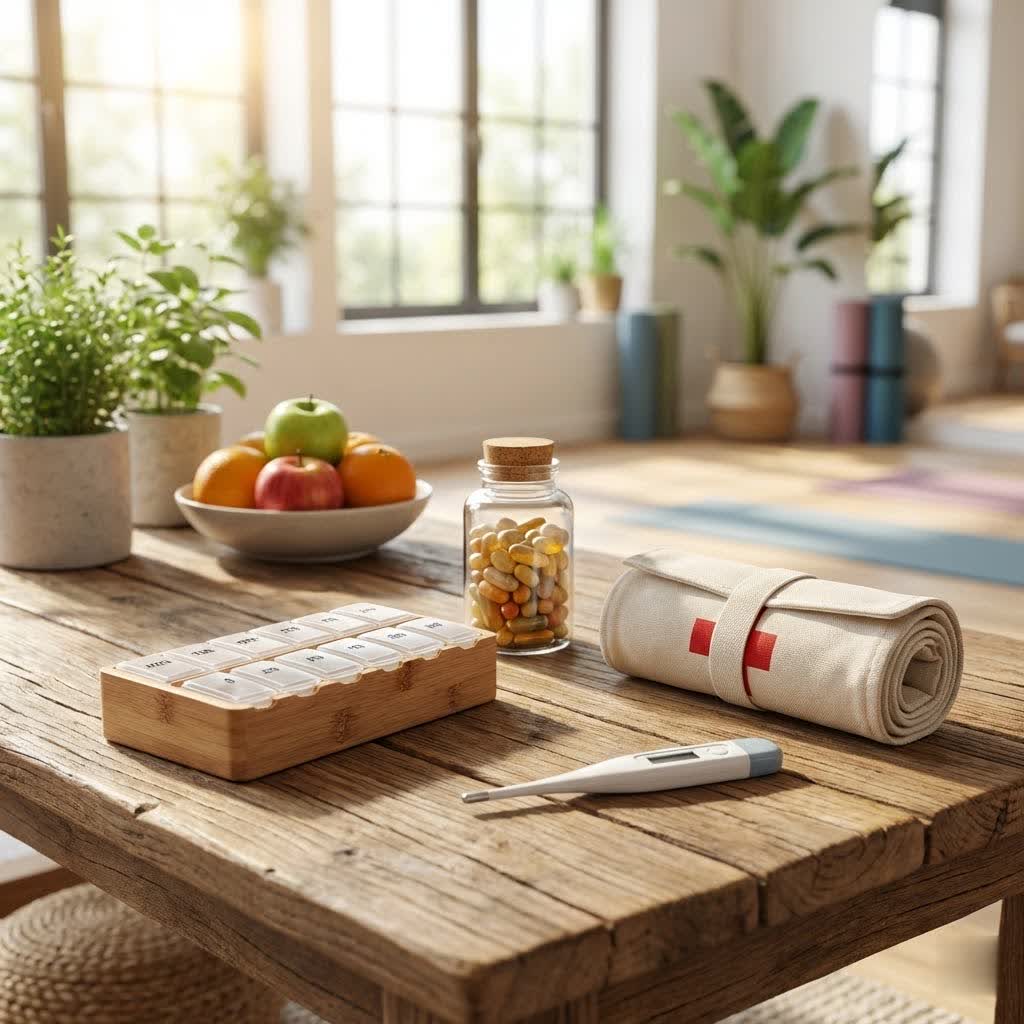
Life is unpredictable, and minor injuries or medical emergencies can strike at any moment, whether you’re at home, on the road, or exploring new places. While we hope for the best, being prepared for the worst is a cornerstone of responsible living. A well-stocked Basic Medical Kit, often referred to as a first aid kit, isn’t just a collection of supplies; it’s a vital tool that empowers you to provide immediate care, mitigate harm, and offer peace of mind when seconds count. This comprehensive guide will walk you through everything you need to know, from understanding its purpose to selecting the right components and maintaining your kit for optimal readiness.
What is a Medical Kit and Why Do You Need One?
A medical kit, or first aid kit, is a curated collection of supplies and equipment used to give immediate medical treatment, typically to people who have been injured or become ill. Its primary purpose is to provide quick, effective care for minor ailments and injuries, and to stabilize more serious conditions until professional medical help arrives. Imagine a scraped knee during a family picnic, a sudden headache on a long drive, or a burn while cooking—these everyday incidents highlight the immediate need for a readily available medical kit. Statistics show that countless accidents occur annually in homes, workplaces, and during recreational activities, making a personal or family medical kit an indispensable asset for prompt response.
Common Types of Medical Kits
Medical kits are not one-size-fits-all; their contents and size often vary depending on the environment and specific needs. Understanding the different types helps you choose the most appropriate kit for your lifestyle.
Family Medical Kit
|
Our Picks for the Best Medical Kit in 2026
We may earn a commission when you use one of our links to make a purchase.
|
||
| Num | Product | Action |
|---|---|---|
| 1 | Sundaymot Doctor Kit for Kids, 34 Pcs Pretend Playset for Toddlers, Doctor kit for Toddlers 3-5, with Medical Bag, Stethoscope and Other Accessories, for Boys and Girls Fun Role Playing Game |

|
| 2 | Adventure Medical Kit Ultralight/Watertight Medical Kit .5 - Up to 2 People, Up to 2 Days - Includes Bandages, Blister Essentials & More - Perfect for Hiking, Biking & Climbing |
|
| 3 | Large First Aid Kit for Car, Travel & Home - Emergency Kit for Hiking, Camping, Backpacking and Outdoors - Includes Zip Stitch Wound Closure Strips |
|
| 4 | Be Smart Get Prepared First Aid Kit Hard Red Case 326 Pieces Exceeds OSHA and ANSI Guidelines 100 People - Office, Home, Car, School, Emergency, Survival, Camping, Hunting and Sports (20HBC01015REV3) |
|
| 5 | Survival Kit, 262Pcs Survival Gear and Supplies with First Aid Kit Pouch and Crossbody Bag, Emergency Kit with Tent, Camping Axe Hammer, Survival Shovel w/Pick, Bug Out Bag Gifts for Men Women |
|
| 6 | 330 Piece First Aid Kit, Premium Waterproof Compact Trauma Medical Kits for Any Emergencies, Ideal for Home, Car, Travel, Camping, Hiking, Truck, Office, Sports (Medium) |
|
| 7 | Large Pro First Aid Kit for Car, Travel & Home - Emergency Kit for Hiking, Camping, Backpacking and Outdoors - Includes Zip Stitch Wound Closure Strips |
|
| 8 | Car First Aid Kits 275Pcs Survival Gear Home Travel Size Small Emergency Kit Tactical Hiking EVA Camping Essentials Backpack Sports Office Boat Urgent Accident |
|
| 9 | Zonon Naloxone Overdose Emergency Kit Cabinet with Handle 7.5" L x 3.5" W x 9" H Magnetic Closing First Aid Cabinet Wall Mount Metal Medical Box for Public Space Storage Solution, White |
|
| 10 | Mini First Aid Kit - 150 Piece Small Waterproof Hard Shell Medical Kit for Home, Car, Travel, Camping, Truck, Hiking, Sports, Office, Vehicle & Outdoor Emergencies- Small First Aid Medical Kit (Red) |
|
A family medical kit is designed for comprehensive home use, addressing the varied needs of adults and children. It typically contains a wide range of bandages, antiseptic wipes, pain relievers, fever reducers, and tools like tweezers and scissors. The advantage is its broad utility for common household injuries, from cuts and scrapes to sprains and minor burns. However, its larger size might make it less portable.
Travel Medical Kit
Compact and lightweight, a travel medical kit is essential for trips. It’s tailored for common travel-related issues such as motion sickness, upset stomach, allergies, and minor injuries that can occur while away from home. Essential items include anti-diarrhea medication, antihistamines, pain relievers, and a selection of bandages. The main advantage is its portability, fitting easily into luggage or a backpack. A potential drawback is its limited scope for more serious medical needs.
Car Medical Kit
Every vehicle should have a car medical kit, prepared for roadside emergencies and minor accidents. These kits often include basic wound care supplies like bandages, antiseptic solutions, and gloves, alongside practical items such as instant cold packs for injuries. Some advanced car kits may even include emergency items like a thermal blanket or a multi-tool. Its key benefit is readiness for unexpected incidents on the road, but it usually doesn’t cover extensive medical situations.
Specialized Medical Kits
Beyond general-purpose kits, specialized versions cater to specific activities or environments. For example, a sports medical kit might contain taping supplies, blister treatments, and muscle relief creams, while a wilderness kit could include snakebite kits or water purification tablets. These kits offer highly targeted solutions but may lack the versatility for general use.
Essential Components of a Medical Kit
Regardless of the type, a truly effective medical kit relies on a foundation of essential components. Knowing what to include and how to use it is paramount.
- Bandages and Dressings: These are crucial for wound care.
- Adhesive Bandages (various sizes): For small cuts and scrapes.
- Sterile Gauze Pads (various sizes): To cover larger wounds and absorb blood.
- Adhesive Tape: Secures gauze pads and bandages.
- Elastic Bandages: Provides support for sprains and strains.
- Triangular Bandage: Can be used as a sling or to secure splints.
- Non-stick Pads: For burns or wounds that may stick to regular gauze.
- Antiseptics and Cleansing Agents: Prevents infection.
- Antiseptic Wipes/Solution (e.g., hydrogen peroxide, saline): To clean wounds thoroughly.
- Hand Sanitizer/Soap: For hand hygiene before and after administering aid.
- Antibiotic Ointment: Applied to cleaned wounds to prevent bacterial growth.
- Pain Relief and Medications: Addresses common discomforts.
- Pain Relievers (e.g., acetaminophen, ibuprofen): For headaches, fever, and minor pain.
- Antihistamines: For allergic reactions and insect stings.
- Hydrocortisone Cream/Calamine Lotion: To relieve itching and skin irritation.
- Prescription Medications: Always include personal prescription medicines for family members, with clear labels and dosage instructions.
- Tools and Instruments: Facilitates precise care.
- Scissors (rounded tip): For cutting tape, gauze, or clothing.
- Tweezers: Essential for removing splinters, ticks, or foreign objects from wounds.
- Safety Pins: To secure bandages or slings.
- Thermometer: To check for fever.
- Disposable Gloves (non-latex): Protects both the first aider and the injured person from infection.
- CPR Mask: A barrier device for safe cardiopulmonary resuscitation.
- Other Essential Items:
- First Aid Manual/Guide: Provides crucial instructions in an emergency.
- Instant Cold Packs: Reduces swelling for sprains, strains, or bruises.
- Flashlight with extra batteries: For visibility in low-light conditions.
- Emergency Contact List: Important phone numbers for quick reference.
Comparing Medical Kits
When selecting a medical kit, a comparison can help you weigh your options based on criteria like components, size, and specific features.
| Feature | Family Medical Kit | Travel Medical Kit | Car Medical Kit | Specialized Medical Kit (e.g., Sports) |
|---|---|---|---|---|
| Components | Broad range for various minor injuries & ailments | Focus on common travel-related issues & ailments | Roadside injury care, some vehicle-specific items | Activity-specific items (e.g., athletic tape, blister pads) |
| Size | Medium to large, designed for home storage | Small, compact, highly portable | Small to medium, fits in trunk or glove compartment | Varies by activity, usually portable |
| Portability | Limited | High | Medium | High |
| Target Use | Home, general daily life | Vacations, business trips, excursions | Daily commuting, road trips, roadside emergencies | Hiking, camping, specific sports, workplace |
| Pros | Comprehensive, covers most household needs | Easy to carry, addresses common travel woes | Essential for vehicle safety, quick roadside response | Tailored for specific risks, optimized contents |
| Cons | Less portable, might be overkill for simple outings | Limited in scope for more serious conditions | May lack extensive medication options | Niche focus, may not be suitable for general incidents |
How to Choose a Medical Kit (Buying Guide)
Choosing the right medical kit requires thoughtful consideration of your individual circumstances. Follow these steps to make an informed decision:
- Determine Your Needs: Consider who will use the kit and where. Is it for a single person, a family with children, a car, or specific activities like camping or sports? Your environment and potential risks dictate the contents.
- Review Essential Components: Cross-reference your needs with the list of essential components. Ensure the kit contains adequate bandages, antiseptics, pain relievers, and any specialized items you might require.
- Check Product Quality: Prioritize kits from reputable brands known for their high-quality medical supplies. The effectiveness of a kit hinges on the reliability of its contents. Look for durable containers that protect supplies from moisture and damage.
- Compare Prices and Value: While cost is a factor, avoid sacrificing quality for a lower price. Compare different kits and consider the long-term value, including the shelf life of medications and the durability of the container. Look for bundles or sales that offer good value.
- Read User Reviews: Customer feedback can offer practical insights into a kit’s real-world performance, usability, and any potential shortcomings. This can help you anticipate how well a kit might meet your expectations.
Reputable Medical Kit Brands
While specific brand recommendations can vary, look for manufacturers with a strong reputation for producing high-quality medical and first aid supplies. Brands often recommended by medical professionals or emergency preparedness organizations typically offer reliable kits. When purchasing, look for kits from companies that adhere to safety standards and clearly list all contents and expiration dates. Many reputable first aid organizations also offer their own branded kits, ensuring professional-grade contents.
How to Use a Medical Kit Effectively
Having a medical kit is only half the battle; knowing how to use it is critical. Always familiarize yourself with your kit’s contents before an emergency strikes.
- Wound Care: For minor cuts and scrapes, first clean the wound thoroughly with antiseptic wipes or solution, then apply antibiotic ointment and cover with a sterile bandage. For deeper cuts, apply direct pressure with gauze to control bleeding.
- Sprains and Strains: Use an elastic bandage to provide compression and support. Apply an instant cold pack to reduce swelling.
- Burns: For minor burns, cool the area with clean, cool water for several minutes, then apply a non-stick sterile dressing.
- Medication Administration: Always follow dosage instructions carefully for pain relievers, antihistamines, and other medications. Be mindful of potential allergies or existing medical conditions before administering any medication.
- Refer to the First Aid Manual: In situations you’re unsure about, consult the first aid manual included in your kit. It provides step-by-step guidance for a wide range of emergencies.
“A well-organized medical kit is more than just a collection of supplies; it’s a testament to proactive care, providing immediate comfort and crucial intervention when the unexpected happens.” – Dr. Emily R. Carter, Emergency Medicine Specialist
Proper Medical Kit Storage
The longevity and effectiveness of your medical kit largely depend on how it’s stored.
- Ideal Storage Conditions: Store your kit in a cool, dry place, away from direct sunlight, extreme temperatures, and moisture. Excessive heat or humidity can degrade medications, adhesives, and other supplies.
- Accessibility and Visibility: Keep your medical kit in an easily accessible location known to all household members or travel companions. Avoid storing it in locked cabinets or obscured areas. A central location, like a kitchen cabinet or designated hallway drawer, is often ideal for home kits.
- Regular Checks and Replacements: Inspect your kit at least every six months, or more frequently if it’s used often.
- Check expiration dates: Replace all expired medications and sterile supplies immediately.
- Replenish used items: Restock any items that have been used.
- Inspect packaging: Ensure all items are sealed and undamaged.
- Organization: Keep your kit tidy and organized. Use small, labeled compartments or zip-lock bags within the kit to categorize items. This allows for quick identification and access during an emergency.
Conclusion
Equipping yourself with a basic medical kit is a fundamental step towards ensuring personal and family safety. From treating a minor scratch to stabilizing a more significant injury, having the right supplies readily available can make a profound difference. By understanding the various types of kits, knowing their essential components, and committing to proper maintenance, you transform a simple box of supplies into a powerful tool for preparedness. Don’t wait for an emergency to realize the value of a well-stocked kit. What steps will you take today to ensure your medical kit is ready for whatever tomorrow brings?
Câu Hỏi Thường Gặp
How often should I check my medical kit?
It is recommended to inspect your medical kit at least every six months. For kits used frequently or those in vehicles exposed to varying temperatures, more frequent checks are advisable to ensure all items are current, functional, and replenished.
Can I build my own medical kit instead of buying one?
Absolutely! Building your own medical kit allows you to customize its contents to your specific needs and preferences. You can select high-quality individual components and ensure they are all fresh and relevant to your household or activity.
Where is the best place to store a medical kit at home?
The best place to store a home medical kit is in a central, easily accessible location known to all family members, such as a kitchen cabinet or a designated drawer in a hallway. Ensure it’s kept in a cool, dry place, away from direct sunlight and out of reach of small children.
Are all first aid manuals the same?
While many first aid manuals cover similar basic principles, some may offer more detailed instructions or focus on specific types of injuries or environments. It’s always beneficial to review the manual that comes with your kit or consult a comprehensive guide from a reputable organization.
What should I do if a medical item in my kit expires?
Expired medical items, especially medications, should be safely disposed of and immediately replaced. Their effectiveness can decrease significantly past their expiration date, making them unreliable in an emergency. Always check and replace expired items during your regular kit inspections.