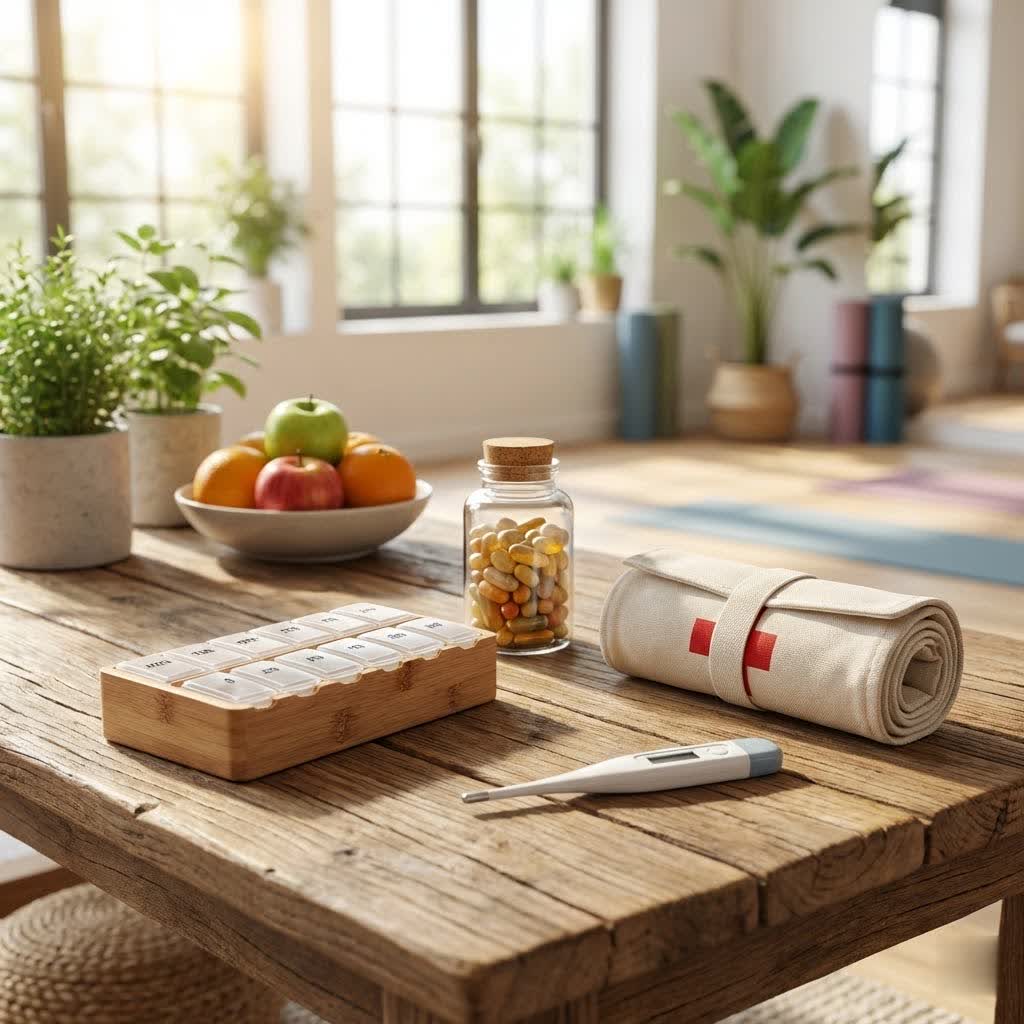
Life is unpredictable. From a scraped knee during a backyard adventure to a sudden illness on a family road trip, emergencies can strike when you least expect them. In these critical moments, having a well-stocked Medical Box Kit—often known as a first aid kit—can be your most immediate and effective line of defense. It’s more than just a collection of bandages; it’s a testament to preparedness, offering peace of mind and the practical means to address injuries or stabilize conditions until professional medical help arrives. This comprehensive guide will walk you through everything you need to know, helping you choose, assemble, and maintain the perfect medical box kit for every aspect of your life.
What is a Medical Box Kit and Why Do You Need One?
A medical box kit is a carefully curated collection of supplies and equipment designed to provide immediate medical care for minor injuries and emergencies. Its primary purpose is to offer initial assistance, prevent complications, reduce the severity of injuries, and improve outcomes during that crucial period before professional medical treatment can be obtained.
Consider the diverse situations where a medical kit becomes indispensable: minor cuts from kitchen knives, burns from cooking, sprained ankles from a fall, allergic reactions, or even managing symptoms of a sudden illness like a fever or severe headache. According to the National Safety Council, in 2023 alone, there were approximately 175,000 preventable injury-related deaths and 53 million nonfatal, medically consulted injuries in homes and communities. These statistics underscore the vital role a readily available medical kit plays in addressing emergencies quickly and potentially preventing more serious outcomes.
Common Types of Medical Box Kits
Medical box kits are not one-size-fits-all; their contents and design vary significantly depending on their intended use. Understanding the different types helps ensure you’re equipped for your specific environment and potential risks.
- Family/Home Medical Kit: This is your foundational kit, designed to handle the everyday mishaps that occur around the house. It’s typically more comprehensive, containing a broader range of supplies for common injuries and illnesses affecting multiple family members. While excellent for general household use, these kits can be bulkier and are not always intended for portability.
- Travel Medical Kit: When you’re on the go, a compact, lightweight, and durable travel kit is essential. These kits are specifically designed for portability, often featuring water-resistant cases and condensed versions of essential items. They might include remedies for motion sickness or insect bites, making them ideal for road trips, flights, or short excursions. However, their smaller size means they might have limited supplies or lack more specialized tools.
- Car Medical Kit: Similar to travel kits, car medical kits are tailored for roadside emergencies and general vehicle travel. They should include basic first aid supplies, an emergency blanket, and potentially a multi-tool. A key consideration for car kits is their storage, as extreme temperatures inside a vehicle can affect the efficacy and lifespan of certain medications and supplies.
- Specialized Medical Kits: These kits are custom-built for particular activities or environments with unique risks.
- For Hiking and Camping: Such kits often include blister care items, elastic bandages for sprains, specific antihistamines for outdoor allergies, irrigation syringes, and splinter/tick removers. They are designed to address injuries common to wilderness environments, often accompanied by a wilderness first aid manual.
- For Sports: These might focus on muscle strains, sprains, bruises, and abrasions, with robust bandaging and cold therapy options.
Each type of kit serves a crucial role, and recognizing your specific needs is the first step toward effective preparedness.
Essential Components of a Medical Box Kit
Regardless of the type, every medical box kit should contain a core set of items to effectively address common injuries and emergencies. These can be broadly categorized into wound care, medications, and essential tools.
Wound Care
- Adhesive Bandages: Assorted sizes for minor cuts, scrapes, and blisters.
- Sterile Gauze Pads and Rolls: Used for larger wounds, to absorb blood, and as a base for dressings.
- Medical Tape: To secure dressings and bandages in place.
- Antiseptic Wipes or Solution: Such as hydrogen peroxide or povidone-iodine, vital for cleaning wounds to prevent infection.
- Antibiotic Ointment: Applied to clean wounds to help prevent bacterial infection.
- Non-stick Sterile Dressings: Ideal for covering burns or delicate wounds without sticking.
- Scissors and Tweezers: Scissors for cutting tape or gauze, and fine-tipped tweezers for removing splinters or ticks.
- Disposable Gloves: Several pairs of non-latex gloves to protect both the injured person and the rescuer from infection.
|
Our Picks for the Best Medical Kit in 2026
We may earn a commission when you use one of our links to make a purchase.
|
||
| Num | Product | Action |
|---|---|---|
| 1 | Large First Aid Kit for Car, Travel & Home - Emergency Kit for Hiking, Camping, Backpacking and Outdoors - Includes Zip Stitch Wound Closure Strips |

|
| 2 | Be Smart Get Prepared First Aid Kit Hard Red Case 326 Pieces Exceeds OSHA and ANSI Guidelines 100 People - Office, Home, Car, School, Emergency, Survival, Camping, Hunting and Sports (20HBC01015REV3) |
|
| 3 | Adventure Medical Kit Ultralight/Watertight Medical Kit .5 - Up to 2 People, Up to 2 Days - Includes Bandages, Blister Essentials & More - Perfect for Hiking, Biking & Climbing |
|
| 4 | Mini First Aid Kit - 150 Piece Small Waterproof Hard Shell Medical Kit for Home, Car, Travel, Camping, Truck, Hiking, Sports, Office, Vehicle & Outdoor Emergencies- Small First Aid Medical Kit (Red) |
|
| 5 | Zonon Naloxone Overdose Emergency Kit Cabinet with Handle 7.5" L x 3.5" W x 9" H Magnetic Closing First Aid Cabinet Wall Mount Metal Medical Box for Public Space Storage Solution, White |
|
| 6 | Sundaymot Doctor Kit for Kids, 34 Pcs Pretend Playset for Toddlers, Doctor kit for Toddlers 3-5, with Medical Bag, Stethoscope and Other Accessories, for Boys and Girls Fun Role Playing Game |
|
| 7 | Survival Kit, 262Pcs Survival Gear and Supplies with First Aid Kit Pouch and Crossbody Bag, Emergency Kit with Tent, Camping Axe Hammer, Survival Shovel w/Pick, Bug Out Bag Gifts for Men Women |
|
| 8 | Large Pro First Aid Kit for Car, Travel & Home - Emergency Kit for Hiking, Camping, Backpacking and Outdoors - Includes Zip Stitch Wound Closure Strips |
|
| 9 | Car First Aid Kits 275Pcs Survival Gear Home Travel Size Small Emergency Kit Tactical Hiking EVA Camping Essentials Backpack Sports Office Boat Urgent Accident |
|
| 10 | 330 Piece First Aid Kit, Premium Waterproof Compact Trauma Medical Kits for Any Emergencies, Ideal for Home, Car, Travel, Camping, Hiking, Truck, Office, Sports (Medium) |
|
Medications and Relief
- Pain Relievers: Over-the-counter options like acetaminophen (Tylenol, others) and ibuprofen (Advil, Motrin IB, others) for pain, fever, and inflammation.
- Antihistamines: Such as diphenhydramine (Benadryl), for allergic reactions, insect bites, or hives.
- Antacids: For relief from indigestion or heartburn.
- Anti-diarrhea Medicine: To manage sudden bouts of diarrhea.
- Hydrocortisone Cream: For soothing rashes, insect bites, or minor skin irritations.
- Burn Ointment/Gel: To provide immediate relief and protection for minor burns.
- Aloe Vera Gel or Calamine Lotion: For sunburns, insect bites, or skin irritations.
- Personal Medications: Any prescription medications specific to family members, clearly labeled and with usage instructions. An auto-injector of epinephrine, if prescribed, is also critical for severe allergic reactions.
Medical Tools & Other Essentials
- Thermometer: To accurately check body temperature.
- CPR Face Shield/Breathing Barrier: For safe administration of rescue breaths.
- Instant Cold Packs: To reduce swelling and pain from sprains or bruises.
- Emergency Blanket: A lightweight thermal blanket to prevent shock or provide warmth.
- Flashlight and Extra Batteries: Essential for visibility during emergencies in low-light conditions.
- First Aid Manual/Guide: A compact booklet offering instructions for basic first aid procedures.
- Emergency Contact Information: A laminated card with crucial phone numbers, including family healthcare providers, poison control, and local emergency services.
- Plastic Bags: Assorted sizes for disposing of contaminated materials or keeping items dry.
- Sterile Saline Solution: For flushing wounds or eyes.
Choosing the Right Medical Box Kit: A Comprehensive Buying Guide
Selecting the appropriate medical box kit involves more than just picking the first one you see. It requires careful consideration of your specific needs, the quality of components, and the kit’s overall design.
1. Identify Your Needs
Begin by assessing who and what you’re preparing for. Will it be primarily for personal use, a family of four, or a larger group? What activities are you typically engaged in? A basic kit suffices for general home use, while outdoor enthusiasts will need specialized kits tailored for hiking, camping, or boating. For travel, compactness and durability are key, whereas a car kit should withstand varying temperatures.
2. Evaluate Kit Contents
Once you define your needs, scrutinize the contents of any prospective kit. Ensure it includes all the necessary basics for wound care, pain relief, and emergency tools. For specialized kits, check if they adequately address the unique risks of the activity. As Dr. Shalom Sokolow, an emergency medicine doctor, advises, “The most important part of owning a first aid kit… is knowing your supplies and how to use them.” Familiarize yourself with each item and its purpose.
3. Quality and Durability
The effectiveness of your kit depends on the quality of its contents and the case itself. Look for durable, water-resistant cases that can protect supplies from the elements. Check the quality of items like scissors, tweezers, and bandages; flimsy tools can be useless in a crisis. Many respected organizations, like the American Red Cross and Mayo Clinic, provide detailed recommendations for quality and contents.
4. Organization and Accessibility
In an emergency, every second counts. A well-organized kit with clearly labeled compartments allows for quick identification and retrieval of supplies. Some kits, like the Surviveware Small, are highly praised for their intuitive organization, featuring labeled pockets that make it easy to find exactly what you need under pressure.
5. Read Reviews and Compare Prices
Before making a purchase, read user reviews and compare options from different brands. This provides insight into real-world performance, durability, and value for money. Look for kits with high ratings for both the quality of contents and the ease of use.
Top Medical Box Kit Brands and Recommendations
To help you navigate the market, here are some highly-regarded medical box kits suitable for various applications:
- Best Overall: Surviveware Small Comprehensive Premium First Aid Kit This kit is lauded for its excellent organization, featuring clearly labeled pockets, and its durable, water-resistant polyester case. It’s comprehensive enough for family use and rugged enough for outdoor adventures.
- Best for Families: SHBC First Aid Kit Small yet well-stocked, this kit is an excellent choice for families, including essential items like ACE wraps and a CPR mask, all housed in a waterproof hard zip case.
- Best for Hiking and Camping: Adventure Medical Kits Medical Kit Tailored for multi-day wilderness trips, this kit includes specialized supplies for common outdoor injuries like blisters and sprains, alongside a comprehensive wilderness first aid manual. Its durable nylon bag keeps contents safe from dirt and moisture.
- Best for the Car: Protect Life Small First Aid Kit Compact and durable, this 100-piece kit is ideal for vehicle storage, offering essential items for typical travel emergencies, including an emergency blanket and eye wash.
- Best for Travel: Johnson & Johnson Travel Ready First Aid Kit Highly portable and compact, this kit provides a good assortment of bandages, cleansing wipes, and antibiotic ointment, perfect for addressing minor cuts and scrapes while on the go.
- Best Waterproof: Breakwater Supply All-Purpose First Aid Kit Impressing with its compact size and fully waterproof case, this kit ensures critical supplies are protected in wet environments, making it suitable for beach trips, boating, or extreme outdoor conditions.
How to Effectively Use Your Medical Box Kit
Owning a medical box kit is only half the battle; knowing how to use its contents effectively is paramount. Consider taking a basic first aid course through organizations like the American Red Cross to gain practical skills.
Basic First Aid Steps
- Assess the Situation: Ensure the area is safe for both you and the injured person.
- Call for Help: If the injury or illness is serious, immediately call emergency medical services.
- Provide Immediate Care: Use the appropriate items from your kit. For bleeding, apply direct pressure with a sterile gauze pad and elevate the injured limb if possible.
- Clean Wounds: Thoroughly clean cuts and scrapes with antiseptic wipes or solution to prevent infection.
- Apply Dressings: Cover wounds with sterile bandages or dressings.
- Administer Medications: Give over-the-counter pain relievers or antihistamines as appropriate, following dosage instructions.
- Consult the Manual: If unsure, refer to the first aid manual included in your kit for guidance. Hansaplast India emphasizes, “Familiarise yourself with the items in the kit and how to use them effectively.”
Important Safety Note: Never give aspirin to children due to the risk of Reye’s syndrome. Always seek professional medical attention for serious injuries or if symptoms worsen.
Proper Maintenance and Storage of Your Medical Box Kit
A medical box kit is only useful if its contents are ready for action. Regular maintenance and proper storage are crucial for ensuring its reliability.
Ideal Storage Conditions
Store your medical kit in a well-known, easily accessible location that is out of reach of young children. For home kits, a kitchen cabinet or utility room shelf is often suitable. Car kits should be kept in a climate-controlled area if possible to prevent extreme temperatures from degrading medications or supplies.
Regular Inspection and Replacement
Perform a thorough check of your kit every few months, and especially after each use.
- Check Expiration Dates: All medications and sterile items have expiration dates. Replace any expired items promptly to ensure their efficacy.
- Replenish Used Supplies: As soon as you use an item, make a note to replace it. A partially used kit is an unprepared kit.
- Inspect Contents: Check for any damaged or compromised packaging, which could affect sterility.
- Test Batteries: If your kit includes a flashlight, test its batteries regularly and keep spares on hand.
Organization
Keep your kit neatly arranged. Clearly organized compartments or resealable bags within the kit can help you quickly locate items in an emergency, saving precious time when it matters most.
Conclusion
Preparing for unexpected medical situations is an act of responsibility and care. A well-equipped medical box kit is an indispensable tool, offering the immediate resources needed to manage injuries and illnesses effectively, providing comfort and confidence in times of crisis. By understanding the different types of kits, their essential components, and how to choose and maintain them, you empower yourself and your loved ones to face emergencies with greater preparedness. Don’t wait for an incident to realize the importance of readiness. Take the proactive step today to assemble or update your medical box kit, ensuring it’s tailored to your unique needs and always ready to serve as your personal lifeline.
What essential item do you always ensure is in your medical box kit, and why?
Frequently Asked Questions
What is the primary difference between a home medical kit and a travel medical kit?
A home medical kit is typically more comprehensive and less concerned with portability, designed for a broader range of common household injuries. In contrast, a travel medical kit is compact, lightweight, and often waterproof, focusing on portability and essentials for on-the-go situations, with contents sometimes tailored to specific travel risks.
How often should I check and update my medical box kit?
It’s recommended to check your medical box kit regularly, at least every few months, and especially after each use. This ensures all items are in good condition, within their expiration dates, and that used supplies are promptly replenished.
Can I build my own medical box kit instead of buying a pre-assembled one?
Yes, absolutely. Building your own kit allows you to customize its contents to your specific needs, activities, and the medical history of your family members. Many reliable sources provide comprehensive lists of essential items to guide you in creating a personalized and effective kit.
Is it important to have a first aid manual in my medical box kit?
Yes, including a first aid manual or guide is highly recommended. It provides crucial instructions on how to use the kit’s contents effectively and administer basic care for various injuries and emergencies, especially valuable if formal first aid training is not readily available.
Are there any items I should never include in a basic medical box kit?
Generally, avoid including prescription medications belonging to others, items that require refrigeration unless you have a reliable way to maintain temperature, and complex medical instruments unless you are professionally trained to use them. Aspirin should never be given to children due to the risk of Reye’s syndrome.