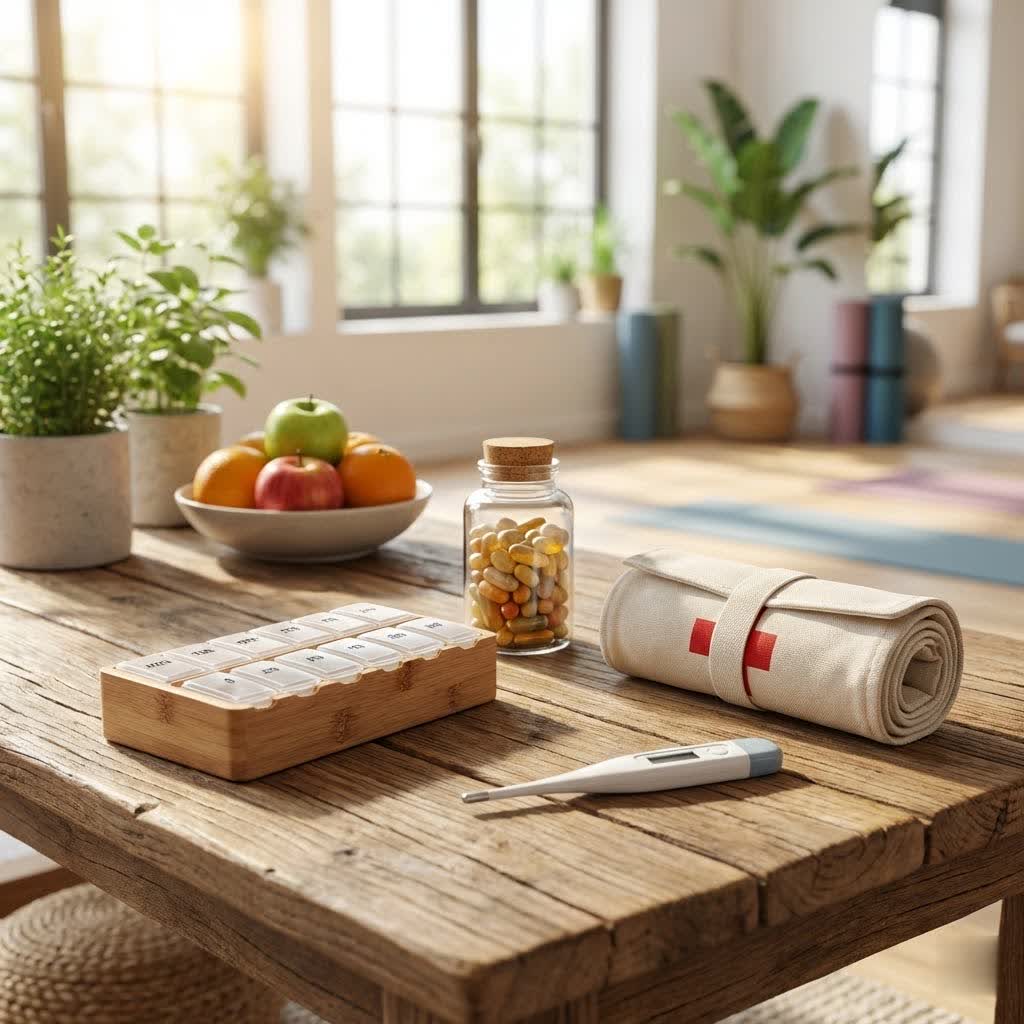
Venturing into the great outdoors offers unparalleled beauty and excitement, but it also comes with inherent risks. Far from immediate medical assistance, a twisted ankle, a deep cut, or an unexpected allergic reaction can quickly turn a memorable trip into a crisis. This is where a well-equipped Wilderness Medical Kit becomes more than just gear; it’s your lifeline, empowering you to handle emergencies and protect yourself and your companions when professional help is hours, or even days, away. This comprehensive guide will help you understand, choose, and maintain the perfect wilderness medical kit for your adventures, ensuring you’re prepared for anything the wild throws your way.
What is a Wilderness Medical Kit and Why You Need One?
A wilderness medical kit is a specialized collection of supplies designed to provide immediate care for injuries and illnesses in remote environments. Unlike standard home or car first aid kits, these kits are tailored for situations where professional medical help is not readily available, emphasizing tools and medications for prolonged care and more serious conditions. From minor scrapes to significant trauma, a robust wilderness medical kit allows you to stabilize a patient, manage pain, prevent infection, and even facilitate evacuation.
Imagine a simple day hike turning precarious with a sudden fall, resulting in a sprain, or an innocent campfire leading to a minor burn. In the wilderness, these incidents can escalate without proper intervention. According to the National Park Service, thousands of search and rescue operations occur annually in national parks, many for injuries that could be better managed with a capable medical kit and basic wilderness first aid knowledge. Your medical kit isn’t just about treating; it’s about buying precious time and preventing minor issues from becoming major emergencies.
Types of Wilderness Medical Kits: Matching Your Adventure
Choosing the right wilderness medical kit begins with understanding that “one size fits all” simply doesn’t apply to the wild. The ideal kit is highly customized to your specific adventure, factoring in duration, remoteness, group size, and individual medical needs.
- Personal Day-Hike Kits: These are typically compact and lightweight, designed for short excursions where you’re relatively close to civilization. They focus on common minor injuries like blisters, small cuts, insect bites, and basic pain relief. Think moleskin, antiseptic wipes, a few bandages, and ibuprofen.
- Multi-Day Backpacking Kits: For longer trips further afield, these kits expand to include more supplies for managing moderate injuries and illnesses over several days. They often feature a broader range of wound care items, splinting materials, anti-diarrhea medication, and possibly prescription antibiotics if a physician deems them appropriate for your travel. Weight and space are still critical considerations, encouraging multi-purpose items.
- Expedition/Group Kits: When undertaking extended trips with larger groups in truly remote or challenging terrain, the medical kit becomes much more comprehensive. These “medical kits” (as opposed to basic “first aid kits”) might contain advanced trauma supplies like tourniquets, chest seals, significant amounts of wound packing, and a wider array of prescription medications. They are often organized into modular components for efficient access and resupply, and their contents are highly influenced by the group’s medical training level, such as Wilderness First Responder (WFR) or Wilderness EMT (WEMT).
Each type requires careful consideration to ensure it’s adequate without being overly burdensome. The key is to balance preparedness with practicality, optimizing for the most probable and most dangerous scenarios you might face.
Essential Components for Every Wilderness Medical Kit
Regardless of your adventure type, certain items form the bedrock of any effective wilderness medical kit. A well-stocked kit should be organized into categories for easy access.
Wound Care
- Assorted Adhesive Bandages: Various sizes for minor cuts and abrasions.
- Gauze Pads (Sterile): Multiple sizes (e.g., 2×2, 4×4 inches) for covering wounds and applying pressure.
- Non-Adherent Sterile Pads: Essential for covering burns or raw blister areas without sticking.
- Medical Tape: Strong adhesive tape (1-inch width is versatile) to secure dressings and bandages.
- Wound Closure Strips (Butterfly Bandages): For closing smaller lacerations to prevent infection and aid healing.
- Antiseptic Wipes/Solution: For cleaning wounds thoroughly. Povidone-iodine or BZK wipes are good choices.
- Antibiotic Ointment: To prevent infection in cleaned wounds.
- Moleskin or Blister Dressings: Crucial for preventing and treating blisters, a common wilderness ailment.
|
Our Picks for the Best Medical Kit in 2026
We may earn a commission when you use one of our links to make a purchase.
|
||
| Num | Product | Action |
|---|---|---|
| 1 | Survival Kit, 262Pcs Survival Gear and Supplies with First Aid Kit Pouch and Crossbody Bag, Emergency Kit with Tent, Camping Axe Hammer, Survival Shovel w/Pick, Bug Out Bag Gifts for Men Women |

|
| 2 | Be Smart Get Prepared First Aid Kit Hard Red Case 326 Pieces Exceeds OSHA and ANSI Guidelines 100 People - Office, Home, Car, School, Emergency, Survival, Camping, Hunting and Sports (20HBC01015REV3) |
|
| 3 | Adventure Medical Kit Ultralight/Watertight Medical Kit .5 - Up to 2 People, Up to 2 Days - Includes Bandages, Blister Essentials & More - Perfect for Hiking, Biking & Climbing |
|
| 4 | Mini First Aid Kit - 150 Piece Small Waterproof Hard Shell Medical Kit for Home, Car, Travel, Camping, Truck, Hiking, Sports, Office, Vehicle & Outdoor Emergencies- Small First Aid Medical Kit (Red) |
|
| 5 | Large First Aid Kit for Car, Travel & Home - Emergency Kit for Hiking, Camping, Backpacking and Outdoors - Includes Zip Stitch Wound Closure Strips |
|
| 6 | Zonon Naloxone Overdose Emergency Kit Cabinet with Handle 7.5" L x 3.5" W x 9" H Magnetic Closing First Aid Cabinet Wall Mount Metal Medical Box for Public Space Storage Solution, White |
|
| 7 | Car First Aid Kits 275Pcs Survival Gear Home Travel Size Small Emergency Kit Tactical Hiking EVA Camping Essentials Backpack Sports Office Boat Urgent Accident |
|
| 8 | Large Pro First Aid Kit for Car, Travel & Home - Emergency Kit for Hiking, Camping, Backpacking and Outdoors - Includes Zip Stitch Wound Closure Strips |
|
| 9 | Sundaymot Doctor Kit for Kids, 34 Pcs Pretend Playset for Toddlers, Doctor kit for Toddlers 3-5, with Medical Bag, Stethoscope and Other Accessories, for Boys and Girls Fun Role Playing Game |
|
| 10 | 330 Piece First Aid Kit, Premium Waterproof Compact Trauma Medical Kits for Any Emergencies, Ideal for Home, Car, Travel, Camping, Hiking, Truck, Office, Sports (Medium) |
|
Medications
- Pain Relievers/Anti-inflammatories: Ibuprofen (for pain and swelling) and acetaminophen (for pain and fever). Aspirin can also be included for potential cardiac events, especially for at-risk individuals.
- Antihistamines: Such as diphenhydramine (Benadryl) for allergic reactions, insect stings, or mild rashes.
- Anti-diarrhea Medication: Loperamide (Imodium) to manage acute diarrhea, which can quickly lead to dehydration in the backcountry.
- Antacids: For indigestion or heartburn.
- Topical Hydrocortisone Cream: For insect bites, stings, and skin irritations.
- Personal Prescription Medications: Any daily medications for chronic conditions, plus an emergency supply, clearly labeled.
- Oral Rehydration Salts: To help combat dehydration from illness or exertion.
Tools and Instruments
- Tweezers: Fine-point tweezers are indispensable for removing splinters, thorns, and ticks.
- Trauma Shears: Blunt-tip scissors are safer and more effective for cutting clothing or tough materials around injuries than regular scissors.
- Safety Pins: Multi-purpose, for securing bandages, slings, or emergency repairs.
- Small Knife or Multi-tool: For various tasks, often including a blade and small pliers.
- Thermometer: Digital thermometer to monitor fever.
- Irrigation Syringe: For thoroughly flushing wounds with clean water.
Trauma and Emergency Items
- SAM Splint: A highly versatile, moldable splint for stabilizing fractures and sprains.
- Triangular Bandages (Cravats): Used for slings, improvised bandages, or securing splints.
- Tourniquet (CAT or SOFTT-W): A life-saving tool for severe, uncontrollable bleeding from limb injuries. Proper training is essential for its use.
- Emergency Blanket (Mylar): To prevent hypothermia, which can worsen any injury or illness.
- Medical/Nitrile Gloves: To protect both the caregiver and the patient from contamination.
- CPR Mask/Barrier: For performing cardiopulmonary resuscitation safely.
Miscellaneous
- Duct Tape: The ultimate multi-purpose repair tool, also useful for improvised bandages or securing gear.
- Sunscreen and Lip Balm (SPF): To protect against sun exposure, crucial in open environments or at altitude.
- Hand Sanitizer/Soap: For hygiene, especially when water is scarce.
- Small Notepad and Waterproof Pen: For documenting patient information, vital signs, and treatments administered.
- Waterproof Container/Dry Bag: To protect the entire kit from moisture.
“A wilderness medical kit is not just a collection of supplies; it’s an extension of your knowledge and training. The most comprehensive kit is useless without the skills to wield it effectively.” – Dr. Alistair Finch, Wilderness Medicine Specialist
Choosing Your Wilderness Medical Kit: A Comparison Guide
When evaluating wilderness medical kits, whether pre-made or assembled yourself, several criteria should guide your decision. Many reputable brands offer kits tailored to different outdoor activities and group sizes, making direct comparisons valuable.
Key Comparison Criteria:
- Portability and Weight: How easily can you carry it? Ultralight kits prioritize minimal weight for fast-and-light trips, while expedition kits accept more bulk for comprehensive supplies.
- Comprehensiveness: Does it cover the range of injuries and illnesses expected for your trip? Look at the variety and quantity of wound care, medications, and trauma supplies.
- Organization: Well-organized kits often feature labeled compartments, color-coding, or clear pockets that allow for quick identification and access, critical in high-stress situations.
- Durability and Waterproofness: The outer shell should be rugged enough to withstand the elements and keep contents dry. A waterproof or highly water-resistant bag is essential for wilderness use.
- Price and Value: While safety shouldn’t have a price tag, compare the cost against the quality and quantity of supplies. Sometimes, a slightly more expensive kit offers significantly better components.
- Customization Potential: Can you easily add personal medications or specific items based on your group’s needs? Many pre-made kits offer extra space for this.
Common Brand Approaches:
- Adventure Medical Kits: Known for their range of kits categorized by group size and trip duration (e.g., Hiker, Backpacker, Mountain Series). They often provide good organization and a balance of essentials. Their Ultralight/Watertight series is popular for weight-conscious adventurers.
- MyMedic: Offers more robust “MyFAK” (My First Aid Kit) options that include more advanced trauma supplies, often favored by those with higher levels of first aid training. They emphasize modularity and durability.
- Surviveware: Praised for exceptional organization, often featuring clear, labeled compartments and durable, water-resistant bags. Their kits are popular for general outdoor use.
- NOLS (National Outdoor Leadership School) Med Kits: Designed with extensive wilderness experience, these kits prioritize practical items for extended backcountry use, reflecting the needs of outdoor educators and guides.
When comparing, always consider your personal first aid training. A kit with advanced trauma items is only effective if you know how to use them.
Your Ultimate Wilderness Medical Kit Buying Guide
Selecting the perfect wilderness medical kit is a personal process that ensures your safety in the backcountry. Follow these steps to make an informed decision:
-
Assess Your Needs:
- Activity: Are you hiking, climbing, hunting, kayaking, or mountaineering? Each activity presents unique injury risks.
- Group Size & Composition: A solo kit differs greatly from one for a family or an expedition team. Account for children, elderly individuals, or anyone with pre-existing medical conditions (allergies, diabetes, heart conditions).
- Trip Length & Remoteness: A day hike kit needs fewer supplies than a week-long trek far from any trailheads. The further and longer you go, the more comprehensive your kit needs to be.
- Medical Training: Your skill level (e.g., standard first aid, Wilderness First Aid, WFR) should dictate the complexity of the tools and medications in your kit.
-
Review Essential Components: Cross-reference the kit’s contents with the essential items list. Ensure it covers basic wound care, pain management, allergic reactions, and environmental concerns relevant to your destination. Look for adequate quantities of consumables.
-
Prioritize Quality and Durability: Cheap components can fail when you need them most. Opt for medical-grade supplies and a rugged, water-resistant, or waterproof bag that can withstand harsh outdoor conditions. Look for sturdy zippers and seams.
-
Consider Organization: A well-organized kit saves critical time in an emergency. Look for internal dividers, clear pockets, and labeled compartments that allow you to quickly locate specific items without rummaging.
-
Read Reviews and Recommendations: Consult experienced outdoor enthusiasts, wilderness guides, and medical professionals. Online reviews can offer practical insights into a kit’s performance in real-world scenarios.
-
Budget Appropriately: While high-quality kits can be an investment, they are invaluable for your safety. Balance cost with the comprehensiveness and quality you need. Remember, customizing a basic kit with individually purchased items can sometimes be more cost-effective.
-
Plan for Personal Customization: Even if you buy a pre-made kit, plan to add personal medications, specific allergy treatments (like an EpiPen if needed), or extra supplies you know you’ll use frequently, like extra moleskin.
By thoughtfully considering these factors, you can assemble or purchase a wilderness medical kit that genuinely meets your needs and enhances your safety on every adventure.
Top Brands for Reliable Wilderness Medical Kits
Several brands have established themselves as leaders in wilderness medical preparedness, offering products trusted by outdoor enthusiasts and professionals alike.
- Adventure Medical Kits (AMK): A pioneering brand offering a wide spectrum of kits, from minimalist ultralight options to comprehensive expedition sets. AMK is celebrated for its smart organization systems, often with color-coded pockets and clear labels, making it easy to find what you need quickly. Their “Mountain Series” and “Ultralight/Watertight” lines are particularly popular among hikers and backpackers for their balance of portability and effectiveness.
- MyMedic: Known for producing high-end, rugged trauma-focused kits like the “MyFAK” (My First Aid Kit). MyMedic kits often include advanced supplies such as chest seals and high-quality tourniquets, appealing to those with extensive medical training or a need for robust emergency preparedness. Their modular designs allow for customization and easy refills.
- Surviveware: This brand excels in kit organization, often featuring waterproof, tear-resistant bags with clearly labeled, individual compartments for every item. Surviveware kits are lauded for their durability and user-friendliness, making them a great choice for individuals who want a highly organized and accessible kit.
- NOLS (National Outdoor Leadership School): While NOLS doesn’t sell kits directly in the same retail fashion as others, their influence on wilderness medical training is immense. Kits built following NOLS principles prioritize practical, multi-use items and emphasize the importance of training over just gear. If you find a kit endorsed by or designed with NOLS standards, it typically reflects a deep understanding of backcountry medical needs.
These brands consistently deliver reliable products, but remember that the best kit is one you understand and have customized to your specific wilderness pursuits.
Mastering Your Wilderness Medical Kit: Effective Use and First Aid Principles
Having a well-stocked wilderness medical kit is only half the battle; knowing how to use its contents effectively is paramount. In remote settings, improvised solutions and a solid understanding of first aid principles are invaluable.
- Get Trained: The single most important component of any wilderness medical kit is the knowledge of the person carrying it. Consider taking a Wilderness First Aid (WFA), Wilderness Advanced First Aid (WAFA), or Wilderness First Responder (WFR) course. These courses teach you how to assess patients, manage injuries, and make critical decisions in remote environments with limited resources.
- Patient Assessment: Always start with a systematic patient assessment. Use an acronym like “ABCDE” (Airway, Breathing, Circulation, Disability, Exposure) to prioritize life-threatening conditions. Document vital signs and changes in the patient’s condition.
- Wound Management:
- Cleanliness: Thoroughly clean all wounds with antiseptic wipes and an irrigation syringe filled with clean water to prevent infection.
- Dressing: Apply sterile gauze and secure with medical tape. For deeper cuts, use wound closure strips if appropriate.
- Bleeding Control: For severe bleeding, apply direct pressure with gauze. If bleeding is uncontrolled on a limb, a tourniquet may be necessary, but only with proper training.
- Splinting Sprains and Fractures: Utilize a SAM splint or improvised materials (trekking poles, branches, padding) with triangular bandages or medical tape to immobilize injured limbs. This prevents further injury and reduces pain during evacuation.
- Managing Allergic Reactions: Administer antihistamines for mild reactions. For severe allergic reactions (anaphylaxis), an EpiPen (if prescribed and carried) is critical. Monitor the patient for breathing difficulties and shock.
- Hypothermia/Hyperthermia Prevention: Use an emergency blanket to prevent hypothermia in an injured or ill person. For heat-related illnesses, hydrate the patient and move them to a cooler, shaded area.
- Pain Management: Administer appropriate over-the-counter pain relievers from your kit.
- Improvisation: In the wilderness, you may need to improvise. A backpack can become a sling, duct tape can repair gear or secure a splint, and plastic bags can be used for wound irrigation. Your training will teach you to be resourceful.
Practice with your kit components regularly. Knowing where everything is and how to use it under pressure will boost your confidence and effectiveness in a real emergency.
Preserving Your Lifeline: Proper Wilderness Medical Kit Maintenance
A wilderness medical kit is an investment in your safety, and like any critical gear, it requires diligent maintenance to remain effective. Neglecting your kit can mean discovering expired medications or compromised supplies when you need them most.
- Store in Optimal Conditions: Keep your kit in a cool, dry place away from direct sunlight and extreme temperatures. Heat and moisture can degrade medications, adhesives, and sterile packaging. Ensure the container itself is protected from crushing or puncture.
- Conduct Regular Inventory Checks: At least twice a year, or before any major trip, empty your entire kit.
- Check Expiration Dates: Dispose of any expired medications or sterile supplies. Replace them immediately. Pay particular attention to items like EpiPens, which have strict expiration dates.
- Inspect Packaging: Look for torn or compromised sterile packaging. Replace anything that isn’t completely sealed.
- Assess Consumables: Replenish any items that have been used, even partially. It’s better to have too much than too little.
- Review Batteries: For items like headlamps or digital thermometers (if included), check battery life and replace as needed.
- Replace Used Items Promptly: After any use, no matter how minor, take the time to clean and restock your kit. This ensures it’s always ready for the next adventure.
- Maintain Organization: As you restock, ensure everything is returned to its designated place. Use the kit’s internal dividers or small, clear bags to keep items grouped by function (e.g., wound care, medications, tools). This systematic approach allows for quick retrieval in an emergency.
- Clean the Kit Exterior: If your kit bag gets dirty, clean it according to the manufacturer’s instructions to maintain its integrity and waterproof properties.
- Update Your Knowledge: As medical guidelines evolve, so should your knowledge. Periodically review your first aid manual or consider refresher courses to keep your skills sharp.
By adhering to a consistent maintenance schedule, you ensure that your wilderness medical kit remains a reliable and effective tool, ready to respond to any situation the backcountry may present.
Conclusion
Embarking on a wilderness adventure is an exhilarating experience that connects us with nature’s raw beauty. However, it also demands a profound sense of responsibility for our own safety and that of our companions. A well-chosen, meticulously packed, and properly maintained wilderness medical kit is more than just a collection of supplies; it is a critical component of your preparedness, a tangible manifestation of foresight that can make all the difference when emergencies arise far from help.
From treating a simple blister to managing severe trauma, your ability to act decisively and effectively hinges on the tools at your disposal and the knowledge to wield them. Investing in a quality kit, customizing it to your unique adventures, and committing to regular maintenance and skill refreshment transforms it from a mere bag of items into a genuine lifeline. So, before your next journey into the wild, ask yourself: Is your wilderness medical kit truly ready for anything?
Câu Hỏi Thường Gặp
What is the most important item in a wilderness medical kit?
While all components are crucial, many experts agree that a SAM splint and a tourniquet are among the most important due to their ability to address severe musculoskeletal injuries and life-threatening bleeding, respectively. However, the true most important item is the knowledge and training of the person using the kit.
How often should I check my wilderness medical kit?
You should conduct a thorough inventory and inspection of your wilderness medical kit at least twice a year, or immediately before any major trip. This allows you to replace expired medications, replenish used supplies, and ensure all items are in good condition and sterile packaging is intact.
Can I build my own wilderness medical kit instead of buying a pre-made one?
Yes, building your own kit is often recommended as it allows for complete customization to your specific needs, activities, group size, and medical conditions. You can hand-pick higher quality items and ensure you have sufficient quantities of frequently used supplies. This approach often leads to a more personalized and effective kit.
What is the difference between a wilderness medical kit and a regular first aid kit?
A wilderness medical kit is designed for remote environments where professional medical help is distant, focusing on managing more severe injuries, prolonged care, and improvisation. A regular first aid kit is typically for minor injuries and readily available medical attention, containing basic supplies for cuts, scrapes, and common ailments.
Should I carry prescription medications in my wilderness medical kit?
Absolutely. You should always carry a sufficient supply of any personal prescription medications you require, clearly labeled with dosage instructions. Additionally, some wilderness adventurers, with guidance from a physician, may carry emergency prescription antibiotics for specific scenarios, especially on extended trips.
Is a waterproof bag essential for a wilderness medical kit?
Yes, a waterproof or highly water-resistant bag is essential for a wilderness medical kit. Exposure to moisture can compromise sterile packaging, degrade medications, and damage other sensitive supplies, rendering your kit ineffective when you need it most. Look for durable materials and watertight closures.