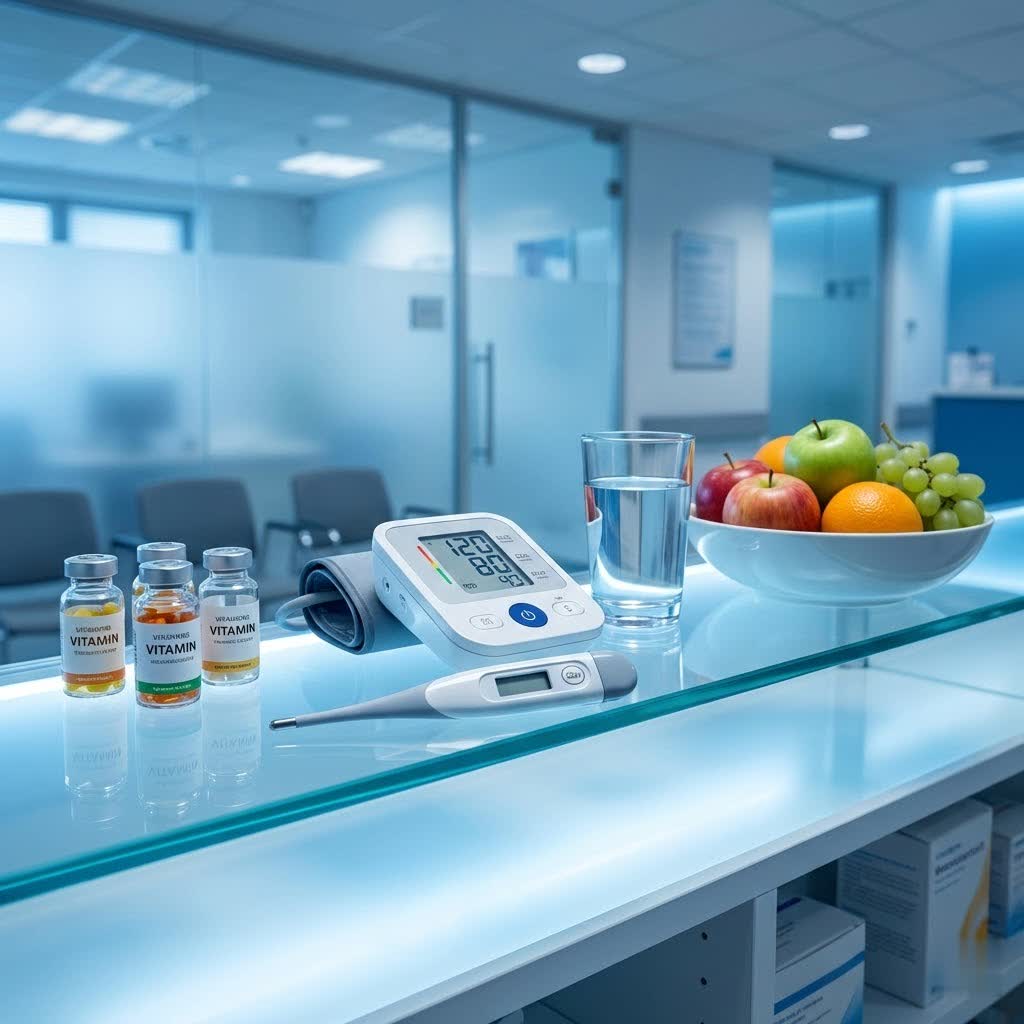
A comprehensive survival medical kit is a strategically assembled collection of medical supplies and tools designed to address a broader spectrum of health crises than a basic first aid kit, particularly when traditional emergency services are inaccessible or overwhelmed. It prepares individuals for severe injuries, prolonged illnesses, and unforeseen medical emergencies during disasters, wilderness adventures, or any scenario requiring self-reliance. This guide details essential components, customization, and maintenance for an effective survival medical kit.
What is a Survival Medical Kit and Why You Need One?
A survival medical kit extends far beyond a basic first aid box. It is a strategically assembled collection of medical supplies and tools designed to address a broader spectrum of health crises, particularly when traditional emergency services are inaccessible or overwhelmed. While a standard first aid kit is perfect for everyday scrapes and minor ailments, a survival medical kit prepares you for more severe injuries, prolonged illnesses, and unforeseen medical emergencies that can arise during a disaster, wilderness adventure, or any scenario requiring self-reliance. For expert emergency reviews on this site.
Imagine a situation where communication lines are down, roads are impassable, or you are deep in the backcountry. In these moments, your ability to treat wounds, manage pain, prevent infection, or even stabilize a fracture could be paramount. Without a properly equipped kit, small injuries can escalate into serious complications, and existing medical conditions can become critical. Therefore, understanding the necessity of a comprehensive survival medical kit is the first step towards true preparedness.
Survival Medical Kit vs. Basic First Aid Kit: Key Differences
Understanding the distinction between a basic first aid kit and a robust survival medical kit is crucial for effective preparedness. While both aim to provide immediate care, their scope and contents vary significantly.
| Feature | Basic First Aid Kit | Survival Medical Kit |
|---|---|---|
| Purpose | Treats minor injuries (cuts, scrapes, small burns) | Addresses serious trauma, prolonged illness, and life-threatening emergencies |
| Environment | Home, office, daily travel | Wilderness, disaster zones, remote areas, long-term emergencies |
| Contents | Bandages, antiseptic wipes, gauze, adhesive tape | Advanced wound care, specialized tools, broad medication range, survival essentials |
| Complexity | Simple, easy to use for common ailments | More complex, requires some training for advanced items |
| Duration | Short-term, immediate relief | Extended periods, self-sufficiency in medical care |
A basic kit typically contains items for minor wounds like adhesive bandages, antiseptic wipes, and pain relievers. In contrast, a survival medical kit often includes items such as hemostatic agents for severe bleeding, splints for fractures, advanced wound closure strips, prescription medications, and even tools for minor surgical needs. The aim of a survival kit is not just to patch up, but to stabilize and manage medical conditions for an extended period until further help can be secured.
Essential Components of a Comprehensive Survival Medical Kit
Building a survival medical kit requires thoughtful consideration of potential injuries and illnesses you might encounter. Here’s a detailed list of essential components, categorized for clarity:
Wound Care and Bandaging
|
Our Picks for the Best Medical Kit in 2026
As an Amazon Associate I earn from qualifying purchases.
|
||
| Num | Product | Action |
|---|---|---|
| 1 | Be Smart Get Prepared First Aid Kit Hard Red Case 326 Pieces Exceeds OSHA and ANSI Guidelines 100 People - Office, Home, Car, School, Emergency, Survival, Camping, Hunting and Sports (20HBC01015REV3) |

|
| 2 | Survival Kit, 262Pcs Survival Gear and Supplies with First Aid Kit Pouch and Crossbody Bag, Emergency Kit with Tent, Camping Axe Hammer, Survival Shovel w/Pick, Bug Out Bag Gifts for Men Women |
|
| 3 | Large First Aid Kit for Car, Travel & Home - Emergency Kit for Hiking, Camping, Backpacking and Outdoors - Includes Zip Stitch Wound Closure Strips |
|
| 4 | 330 Piece First Aid Kit, Premium Waterproof Compact Trauma Medical Kits for Any Emergencies, Ideal for Home, Car, Travel, Camping, Hiking, Truck, Office, Sports (Medium) |
|
| 5 | Large Pro First Aid Kit for Car, Travel & Home - Emergency Kit for Hiking, Camping, Backpacking and Outdoors - Includes Zip Stitch Wound Closure Strips |
|
| 6 | Sundaymot Doctor Kit for Kids, 34 Pcs Pretend Playset for Toddlers, Doctor kit for Toddlers 3-5, with Medical Bag, Stethoscope and Other Accessories, for Boys and Girls Fun Role Playing Game |
|
| 7 | Mini First Aid Kit - 150 Piece Small Waterproof Hard Shell Medical Kit for Home, Car, Travel, Camping, Truck, Hiking, Sports, Office, Vehicle & Outdoor Emergencies- Small First Aid Medical Kit (Red) |
|
| 8 | Car First Aid Kits 275Pcs Survival Gear Home Travel Size Small Emergency Kit Tactical Hiking EVA Camping Essentials Backpack Sports Office Boat Urgent Accident |
|
| 9 | Adventure Medical Kit Ultralight/Watertight Medical Kit .5 - Up to 2 People, Up to 2 Days - Includes Bandages, Blister Essentials & More - Perfect for Hiking, Biking & Climbing |
|
| 10 | Zonon Naloxone Overdose Emergency Kit Cabinet with Handle 7.5" L x 3.5" W x 9" H Magnetic Closing First Aid Cabinet Wall Mount Metal Medical Box for Public Space Storage Solution, White |
|
- Assorted Adhesive Bandages: Various sizes for minor cuts and abrasions.
- Sterile Gauze Pads and Rolls: For covering larger wounds, absorbing fluids, and cushioning.
- Non-Stick Sterile Pads: To prevent dressings from adhering to wounds.
- Medical Adhesive Tape: Securing bandages and dressings.
- Wound Closure Strips (Butterfly Bandages): For closing small lacerations to promote healing and reduce scarring.
- Antiseptic Wipes/Solution: Benzalkonium Chloride (BZK) wipes or povidone-iodine solution for cleaning wounds.
- Antibiotic Ointment: To prevent infection in cuts, scrapes, and burns.
- Hydrogel Burn Dressings: For soothing and protecting burns.
- Hemostatic Gauze/Dressing: Crucial for controlling severe bleeding.
- Liquid Bandage: For sealing small cuts and scrapes, especially in awkward areas.
Medications
- Pain Relievers: Ibuprofen (e.g., Advil), Acetaminophen (e.g., Tylenol) for mild to moderate pain and fever. Aspirin for suspected heart attack (for adults, as directed by a healthcare professional).
- Antihistamine: Oral (e.g., Diphenhydramine/Benadryl) for allergic reactions; topical cream (e.g., hydrocortisone) for itching and rashes.
- Anti-Diarrhea Medicine: Loperamide (e.g., Imodium) to manage gastrointestinal distress.
- Antacids: For indigestion and heartburn.
- Laxatives: For occasional constipation.
- Cold and Cough Medicine: Symptom relief for respiratory illnesses.
- Oral Rehydration Salts: To prevent and treat dehydration, especially after vomiting or diarrhea.
- Prescription Medications: A minimum 7-day supply of all personal prescription medications. Ensure they are properly stored and labeled.
- Aloe Vera Gel/Calamine Lotion: For sunburns, insect bites, and skin irritations.
- Glucose Tablets/Gel: For individuals with diabetes or sudden drops in blood sugar.
Tools and Diagnostics
- Medical Scissors (Trauma Shears): Heavy-duty, blunt-tipped scissors for cutting clothing, bandages, or seatbelts.
- Fine-Point Tweezers: For splinter removal, tick extraction, and handling small items.
- Safety Pins: For securing bandages or clothing.
- Digital Thermometer: For accurate temperature monitoring.
- Irrigation Syringe: For thoroughly flushing wounds to prevent infection.
- CPR Mask/Breathing Barrier: For safe rescue breathing.
- Multi-Tool/Knife: A versatile tool for various tasks, including medical applications.
- Headlamp/Flashlight with Extra Batteries: Essential for examining injuries in low light.
Protective Gear and Support
- Disposable Non-Latex Examination Gloves: Several pairs to protect both caregiver and patient from contamination.
- N95/Surgical Masks: To protect against airborne pathogens or dust.
- Elastic Wrap Bandages (ACE Bandages): For sprains, strains, and providing joint support.
- Triangular Cravat Bandages: Highly versatile; can be used as slings, tourniquets, or to secure splints.
- Finger Splints/SAM Splint: For immobilizing fractured or sprained digits and limbs.
- Instant Cold Packs: For reducing swelling and pain from sprains, strains, or bruises.
- Emergency Heat-Reflecting Blanket: To prevent hypothermia or treat shock.
Survival Add-ons (Often Integrated)
- Hand Sanitizer and Biodegradable Soap: For maintaining hygiene.
- Water Purification Tablets/Filter: Access to clean drinking water is critical.
- Medical Waste Bags: For proper disposal of contaminated materials.
- Small Notepad and Waterproof Pen/Pencil: For documenting injuries, medications administered, and patient vital signs.
- Emergency Whistle: For signaling for help.
- Duct Tape: Incredibly versatile for temporary repairs, improvising splints, or securing dressings.
- Personal Documents: Copies of medical history, allergies, emergency contacts, and insurance information.
Tailoring Your Survival Medical Kit to Your Needs
A truly effective survival medical kit is not a one-size-fits-all solution; it’s a personalized system. Your specific needs will dictate the emphasis and inclusions in your kit.
First, consider your family size and individual health requirements. Do you have children who might need pediatric doses of medicine or specific baby supplies like formula and diapers? Are there elderly family members who require specialized medications, mobility aids, or have chronic conditions like diabetes or heart disease? Documenting all prescription medications and dosages is paramount.
Next, assess your likely environment and activities. A kit for urban disaster preparedness might include items for chemical exposure or civil unrest, while a wilderness kit would prioritize snake bite kits, insect repellents, and tools for treating injuries far from civilization. If you frequently travel by car, integrating items like a seatbelt cutter and reflective triangles is sensible.
Local risks and common threats should also influence your choices. Living in an earthquake-prone area, for instance, might mean including more robust trauma supplies. Similarly, if allergies are prevalent in your family, ensuring adequate antihistamines and epinephrine auto-injectors (if prescribed) is vital.
Many choose to build their own custom kits, allowing them to select high-quality components tailored precisely to their situation. Others prefer ready-made kits as a starting point, then customize them with personal items. Regardless of your approach, the goal is a kit that accurately reflects your potential challenges and provides the necessary resources to overcome them.
Top Survival Medical Kit Brands and Ready-Made Options
While building a custom survival medical kit ensures personalization, many reputable brands offer excellent ready-made options that serve as a solid foundation or a complete solution for various needs. These brands are recognized for their quality, durability, and thoughtful organization.
For comprehensive and robust options, Adventure Medical Kits are highly regarded, especially for outdoor and wilderness scenarios, often including specialized items for common backcountry ailments. My Medic offers customizable kits ranging from everyday carry (EDC) to extensive trauma kits, known for their innovative packaging and high-quality components.
Other notable brands include EMI (Emergency Medical International) for professional-grade supplies, Kemp USA for durable, specialized kits, and Elite First Aid which provides military-grade, compact solutions popular among outdoor enthusiasts. For general disaster preparedness that combines medical with other survival essentials, brands like MayDay offer comprehensive kits.
When choosing a ready-made kit, look for transparent content lists, durable and water-resistant packaging, and positive user reviews. even the best pre-made kit can be enhanced by adding your personal prescription medications, emergency contact information, and specific items tailored to your family’s unique needs or local risks. Whether you opt for a branded kit or assemble your own, investing in quality supplies is investing in your safety.
How to Effectively Use Your Survival Medical Kit
Possessing a survival medical kit is only half the battle; knowing how to use its contents effectively is equally crucial. In an emergency, clear thinking and basic first aid knowledge can save lives.
Before any crisis strikes, familiarize yourself with every item in your kit. Understand its purpose, how it’s used, and when it should be applied. Reading the instructions on medical supplies and considering a basic first aid manual within your kit are excellent starting points.
Consider enrolling in a first aid and CPR certification course. Hands-on training from organizations like the Red Cross or local emergency services can provide invaluable skills for managing bleeding, performing CPR, stabilizing fractures, and recognizing symptoms of common illnesses. Knowing when and how to apply a tourniquet, dress a severe wound, or respond to an allergic reaction can significantly improve outcomes.
In an actual emergency, remain calm and assess the situation. Prioritize immediate life threats (severe bleeding, airway obstruction). Always wear protective gloves from your kit to prevent infection. Follow basic principles:
- Stop Bleeding: Apply direct pressure, elevate the injured limb, and if necessary, use a tourniquet or hemostatic dressing for severe, uncontrollable bleeding.
- Clean and Dress Wounds: Thoroughly clean cuts and scrapes with antiseptic wipes and sterile water (if available), then apply antibiotic ointment and a sterile dressing.
- Manage Pain and Symptoms: Administer appropriate over-the-counter medications for pain, fever, or allergic reactions as needed.
- Immobilize Injuries: Use splints or triangular bandages for suspected fractures or sprains to prevent further damage.
- Monitor Vitals: Check for changes in breathing, consciousness, and temperature.
a survival medical kit empowers you to provide immediate care, but it does not replace professional medical attention. Its purpose is to bridge the gap until you can access advanced care.
Maintaining Your Survival Medical Kit for Long-Term Readiness
A survival medical kit is not a static item; it’s a dynamic resource that requires regular attention to remain effective. Proper maintenance ensures that when you need it most, every item is in optimal condition and ready for use.
Regular inspections are critical. Aim to check your kit at least twice a year, ideally when you change your clocks for daylight saving time, to make it a routine. During these checks, meticulously go through each item.
Pay close attention to expiration dates. Many medical supplies, especially medications, antiseptic wipes, and antibiotic ointments, have expiration dates. Replace any expired items immediately. Expired medications can lose their potency or even become harmful, while sterile items might compromise their integrity.
Replace used supplies promptly. If you’ve used adhesive bandages, gauze, or any other component, restock them as soon as possible. It’s often helpful to keep a small inventory list inside your kit to track what needs replenishment.
Store your kit correctly. Keep it in a cool, dry place, away from direct sunlight and extreme temperatures, which can degrade medications and supplies. A durable, waterproof container is ideal to protect contents from moisture and physical damage. Ensure it’s easily accessible but out of reach of small children.
Finally, review and update your kit annually to reflect any changes in your family’s health needs (new prescriptions, allergies), the local environment, or advancements in first aid products. An updated and well-maintained kit provides peace of mind, knowing you are prepared for whatever challenges lie ahead.
Conclusion
Building and maintaining a comprehensive survival medical kit is a cornerstone of preparedness, equipping you to face unforeseen emergencies with confidence and competence. From treating minor cuts to managing severe trauma, having the right tools and knowledge can dramatically improve outcomes when professional medical help is out of reach. By thoughtfully selecting essential components, tailoring your kit to your unique needs, and committing to regular maintenance, you transform a simple bag of supplies into a vital lifeline for yourself and your loved ones. Don’t wait for a crisis to realize the importance of preparedness; start building your ultimate survival medical kit today. What steps will you take this week to enhance your family’s medical readiness?
Frequently Asked Questions
How to Effectively Use Your Survival Medical Kit
Knowing how to use your survival medical kit effectively is crucial in an emergency. Familiarize yourself with its contents and consider formal first aid training.
Before any crisis, understand the purpose, use, and application of every item in your kit. Reading instructions and including a basic first aid manual are excellent starting points for preparedness.
Hands-on training from organizations like the Red Cross provides invaluable skills for managing bleeding, performing CPR, stabilizing fractures, and recognizing illness symptoms. This knowledge significantly improves outcomes in emergencies.
In an actual emergency, remain calm and assess the situation, prioritizing immediate life threats such as severe bleeding or airway obstruction. Always wear protective gloves from your kit to prevent infection and follow basic first aid principles.
Stop severe bleeding with direct pressure or a tourniquet, then clean and dress wounds with antiseptic wipes and sterile dressings. Administer appropriate over-the-counter medications for pain, fever, or allergic reactions as needed.
Use splints or triangular bandages for suspected fractures or sprains to prevent further damage. Continuously monitor the patient's breathing, consciousness, and temperature for any changes, as a survival medical kit bridges the gap until professional medical attention is available.
Get our weekly buyer guide
Practical specs, not advice. Unsubscribe anytime.

Good overview of what to include in a survival medical kit. I liked the focus on self-reliance for prolonged illnesses, which is often overlooked. However, I felt like the customization aspect could have been explored a bit more deeply. It’s hard to know exactly what to prioritize without more detailed scenarios. Still, a decent starting point.
This was a really helpful resource for building out my wilderness adventure kit. The section on addressing severe injuries was particularly insightful, and it made me realize some gaps in my current supplies. My only minor complaint is that I wish there were a few more specific brand recommendations for some of the tools, but overall, it’s a solid guide.
As someone who lives in a rural area, having a comprehensive medical kit is crucial. This guide’s explanation of how a survival kit goes beyond basic first aid and prepares for when traditional services are inaccessible really resonated with me. I’m now confident in assembling a kit that can handle unforeseen medical emergencies.
I’ve been looking to upgrade my basic first aid kit for a while now, and the guide’s breakdown of essential components was exactly what I needed. I especially appreciated the emphasis on sterile wound closure and pain management. It really helped me understand the difference between a regular kit and a true survival medical kit. Feeling much more prepared for emergencies now.