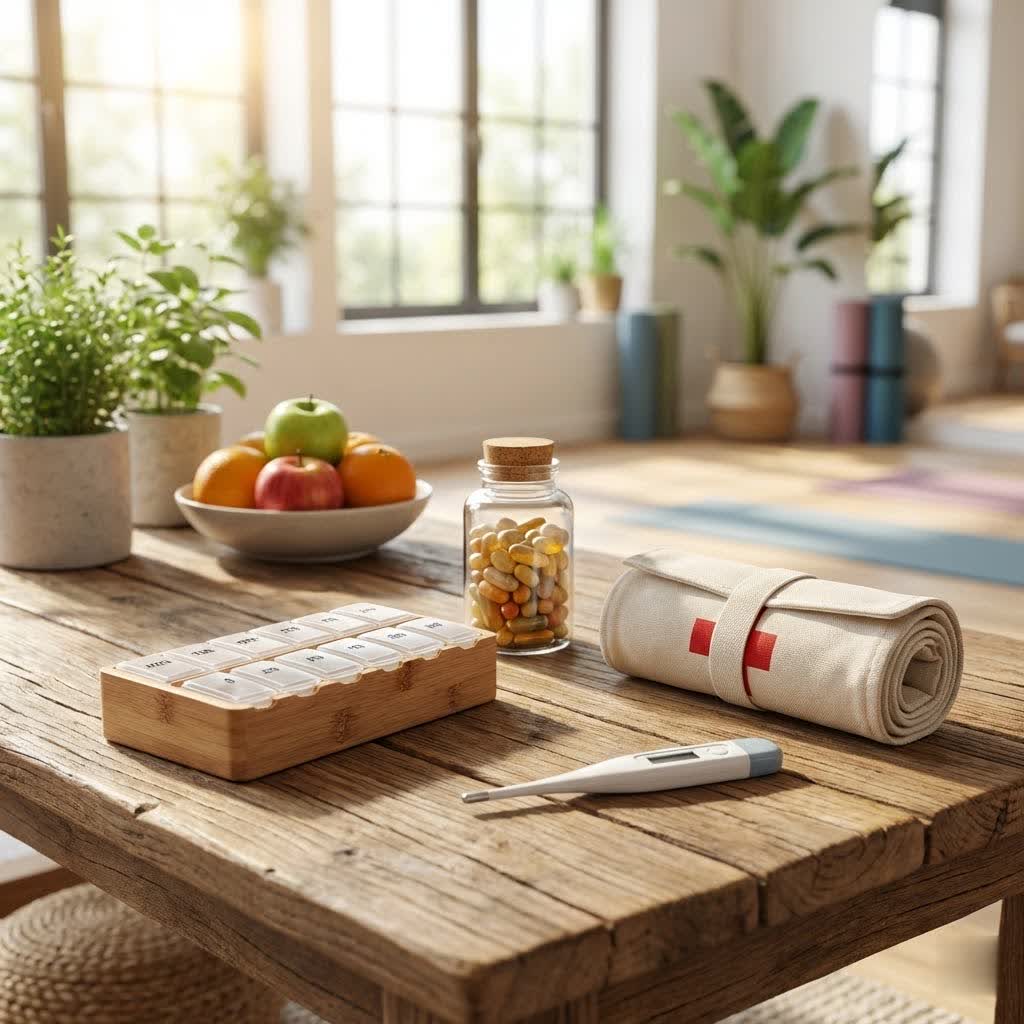
Life is unpredictable. From a minor scraped knee to a more serious emergency, having a well-stocked medical kit can make all the difference, providing immediate care and potentially preventing complications. Whether you’re at home, embarking on an adventure, or simply on the road, knowing what essential Medical Kit Items to have on hand is crucial for your safety and peace of mind. Let’s explore the vital components and considerations for building the perfect medical kit tailored to your needs.
What is a Medical Kit and Why Do You Need One?
A medical kit, often referred to as a first aid kit, is a collection of supplies and equipment used to give immediate medical treatment for minor injuries or illnesses. Its primary purpose is to provide quick relief and stabilize a condition before professional medical help arrives, or when access to such help is limited. Imagine a child falling and scraping their knee while playing, a minor burn while cooking, or an unexpected allergic reaction. In these common scenarios, a readily available medical kit allows for prompt action, reducing pain, preventing infection, and sometimes even saving lives. Over 100 million injuries are treated in emergency departments annually, many of which could be initially managed with proper first aid. Being prepared means you can effectively respond to a wide range of situations, from everyday mishaps to more critical incidents.
Types of Medical Kits for Every Need
Medical kits aren’t one-size-fits-all; their contents and portability vary significantly based on their intended use. Customizing your kit ensures you have the right tools for your specific environment and potential risks.
Home Medical Kit
A home medical kit is designed to address common household injuries and illnesses. It should be comprehensive enough for a family and easily accessible to everyone.
- Components: Typically includes a wide assortment of adhesive bandages, sterile gauze pads (various sizes), adhesive tape, elastic bandages for sprains, antiseptic wipes and solution, antibiotic ointment, pain relievers (ibuprofen, acetaminophen), allergy medication, hydrocortisone cream, scissors, tweezers, a thermometer, and disposable gloves. Many kits for home also include antacids and anti-diarrhea medication.
- Pros: Generally larger, allowing for a broader range of supplies and medications. Can be stored in a central, known location.
- Cons: Not designed for portability, may be too bulky for travel.
- Ideal for: Everyday cuts, burns, scrapes, minor sprains, headaches, and stomach upsets.
|
Our Picks for the Best Medical Kit in 2026
We may earn a commission when you use one of our links to make a purchase.
|
||
| Num | Product | Action |
|---|---|---|
| 1 | 330 Piece First Aid Kit, Premium Waterproof Compact Trauma Medical Kits for Any Emergencies, Ideal for Home, Car, Travel, Camping, Hiking, Truck, Office, Sports (Medium) |

|
| 2 | Large Pro First Aid Kit for Car, Travel & Home - Emergency Kit for Hiking, Camping, Backpacking and Outdoors - Includes Zip Stitch Wound Closure Strips |
|
| 3 | Survival Kit, 262Pcs Survival Gear and Supplies with First Aid Kit Pouch and Crossbody Bag, Emergency Kit with Tent, Camping Axe Hammer, Survival Shovel w/Pick, Bug Out Bag Gifts for Men Women |
|
| 4 | Adventure Medical Kit Ultralight/Watertight Medical Kit .5 - Up to 2 People, Up to 2 Days - Includes Bandages, Blister Essentials & More - Perfect for Hiking, Biking & Climbing |
|
| 5 | Zonon Naloxone Overdose Emergency Kit Cabinet with Handle 7.5" L x 3.5" W x 9" H Magnetic Closing First Aid Cabinet Wall Mount Metal Medical Box for Public Space Storage Solution, White |
|
| 6 | Car First Aid Kits 275Pcs Survival Gear Home Travel Size Small Emergency Kit Tactical Hiking EVA Camping Essentials Backpack Sports Office Boat Urgent Accident |
|
| 7 | Large First Aid Kit for Car, Travel & Home - Emergency Kit for Hiking, Camping, Backpacking and Outdoors - Includes Zip Stitch Wound Closure Strips |
|
| 8 | Sundaymot Doctor Kit for Kids, 34 Pcs Pretend Playset for Toddlers, Doctor kit for Toddlers 3-5, with Medical Bag, Stethoscope and Other Accessories, for Boys and Girls Fun Role Playing Game |
|
| 9 | Mini First Aid Kit - 150 Piece Small Waterproof Hard Shell Medical Kit for Home, Car, Travel, Camping, Truck, Hiking, Sports, Office, Vehicle & Outdoor Emergencies- Small First Aid Medical Kit (Red) |
|
| 10 | Be Smart Get Prepared First Aid Kit Hard Red Case 326 Pieces Exceeds OSHA and ANSI Guidelines 100 People - Office, Home, Car, School, Emergency, Survival, Camping, Hunting and Sports (20HBC01015REV3) |
|
Travel Medical Kit
When you’re away from home, especially in remote areas or foreign countries, a compact and comprehensive travel medical kit is indispensable.
- Components: Similar to a home kit but often more compact. Emphasizes personal medications (prescription and over-the-counter), motion sickness pills, anti-diarrhea medication, blister treatment, insect repellent, and sunscreen.
- Pros: Portable and lightweight, designed to fit in luggage or a backpack. Addresses specific health concerns related to travel.
- Cons: Limited space means you might have to prioritize essential items.
- Ideal for: Vacations, business trips, camping, hiking, and international travel. Always ensure personal prescriptions are included in their original containers with clear labels.
Car Medical Kit
A medical kit for your vehicle is vital for roadside emergencies or accidents. It often complements a general emergency car kit.
- Components: Focuses on treating injuries sustained in accidents, such as larger wounds, burns, and fractures. May include trauma shears, bleeding control items (like a tourniquet or pressure bandage), emergency blankets, and a flashlight, in addition to standard first aid supplies.
- Pros: Readily available in an emergency where immediate medical help might be delayed.
- Cons: Can be exposed to extreme temperatures in a car, requiring regular checks of medication efficacy.
- Ideal for: Daily commutes, road trips, and unexpected roadside incidents.
Specialized Medical Kits
For specific activities or populations, specialized kits offer targeted supplies.
- Sports Medical Kit: Athletes face unique injuries like sprains, strains, blisters, and abrasions.
- Components: Athletic tape, compression wraps, instant cold packs, blister treatment, elastic bandages, pain relief gels or sprays, and sterile wipes are common. Some even include splints.
- Pros: Tailored to common sports injuries, allowing for quick treatment to get back in the game or prevent worsening injury.
- Cons: May lack general medical items not specific to sports.
- Wilderness/Outdoor Medical Kit: Designed for extended periods away from medical facilities.
- Components: Often includes water purification tablets, wound closure strips, sting relief, and items for snake bites or severe allergic reactions (e.g., EpiPen if prescribed).
- Pros: Comprehensive for remote situations where help is far away.
- Cons: Can be heavier and require more knowledge to use effectively.
Essential Medical Kit Items: A Detailed Breakdown
Regardless of the type, certain items form the core of any effective medical kit. Understanding their uses is key to providing proper care.
Bandages & Dressings
These are fundamental for wound care, protecting against infection and aiding healing.
- Adhesive Bandages (various sizes): For minor cuts, scrapes, and blisters. Having a variety of shapes and sizes ensures you can cover different wounds effectively.
- Sterile Gauze Pads (2×2, 3×3, 4×4 inches): Used for cleaning wounds, covering larger injuries, and absorbing blood. They are typically individually wrapped for sterility.
- Roller Bandages (elastic wraps, conforming gauze): Ideal for securing dressings, providing compression for sprains and strains, or creating a sling.
- Adhesive Tape (medical tape): Essential for holding gauze and dressings in place, especially on awkward body parts.
- Wound Closure Strips (butterfly bandages): Small adhesive strips that can help pull together the edges of minor cuts, promoting better healing and reducing scarring.
Antiseptics & Ointments
Crucial for preventing infection, especially with open wounds.
- Antiseptic Wipes or Solution (alcohol-free preferred): Used to clean skin around wounds. Povidone-iodine or chlorhexidine wipes are gentle and effective.
- Antibiotic Ointment (e.g., Neosporin, Polysporin): Applied to minor cuts, scrapes, and burns to prevent bacterial infection.
- Hydrocortisone Cream (1%): Helps relieve itching, swelling, and irritation from insect bites, rashes, or minor allergic reactions.
- Burn Gel/Cream: Provides immediate cooling relief and protection for minor burns.
Medications
Over-the-counter medications can manage pain, allergies, and digestive issues.
- Pain Relievers (Acetaminophen, Ibuprofen, Aspirin): For headaches, fevers, muscle aches, and inflammation. Always check dosages and contraindications, especially for children.
- Antihistamines (e.g., Diphenhydramine): To treat allergic reactions, itching, hives, and sneezing. Oral and cream versions are useful.
- Antidiarrheal Medicine (e.g., Loperamide): Important for managing stomach upset and diarrhea, especially when traveling.
- Antacids: For indigestion and heartburn.
- Personal Prescription Medications: Always include a sufficient supply of any daily medications you or family members require, along with a copy of the prescription.
Tools & Equipment
These instruments facilitate proper first aid and personal protection.
- Scissors (blunt-tip): For cutting tape, gauze, clothing, or even seatbelts in an emergency. Blunt tips enhance safety.
- Tweezers: Essential for removing splinters, ticks, glass shards, or other small foreign objects from the skin.
- Thermometer (digital, non-mercury): For accurately monitoring body temperature, especially during illness.
- Disposable Gloves (latex-free): Protect both the caregiver and the injured person from infection when dealing with blood or bodily fluids.
- CPR Mask/Breathing Barrier: Provides a hygienic barrier during rescue breaths, if you are trained in CPR.
- Instant Cold Packs: Offer immediate relief for sprains, strains, bruises, and swelling without needing refrigeration.
- Safety Pins: Can be used to secure bandages, slings, or clothing.
- Eyewash Solution (sterile saline): For flushing irritants or foreign objects from the eyes.
Other Essentials
Don’t overlook these often-forgotten but critical items.
- First-Aid Manual or Instructions: A compact guide with clear instructions on how to handle various injuries and emergencies.
- Emergency Contact Information: A laminated card with vital phone numbers (doctors, emergency services, family contacts, poison control).
- Hand Sanitizer: For cleaning hands when soap and water are unavailable.
- Small Flashlight and Extra Batteries: Crucial for low-light conditions or power outages.
Choosing the Best Medical Kit: A Buying Guide
Selecting the right medical kit can feel overwhelming with so many options available. Follow these steps to make an informed decision:
-
Assess Your Specific Needs:
- Purpose: Is it for home, car, travel, or a specific activity like hiking or sports?
- Users: How many people will it serve (individual, family, group)? Consider ages, health conditions, and any allergies.
- Environment: Will it be used indoors, outdoors, in remote areas, or in a vehicle? This influences the kit’s durability and contents.
-
Evaluate Kit Contents:
- Review the checklist of essential items. Does the pre-made kit you’re considering include most of these, especially those critical for your specific needs?
- Consider the quantities of each item. Will there be enough for anticipated uses?
- Look for multi-purpose items to maximize space, especially in portable kits.
-
Check for Quality and Certifications:
- Purchase from reputable manufacturers and retailers.
- Look for certifications like FDA approval or ANSI/ISEA standards, which indicate quality and compliance.
- Inspect materials for durability. A good kit should withstand its intended environment.
-
Consider Organization and Accessibility:
- A well-organized kit saves precious time in an emergency. Look for clear compartments, labeled sections, or individual pouches.
- Ensure the kit is easy to open and close, with smooth zippers or clasps.
- Can you quickly identify and access items when needed?
-
Read User Reviews and Compare Prices:
- Consult online reviews to understand real-world experiences with different kits.
- Compare prices across brands and retailers, but prioritize quality and completeness over the lowest cost. A cheap, incomplete kit is not a bargain in an emergency.
Top Medical Kit Brands to Consider
Several brands are well-regarded for their reliable and comprehensive medical kits:
- Surviveware: Known for durable, well-organized kits suitable for various outdoor activities and home use. Their small comprehensive kits are highly rated.
- My Medic: Offers a wide range of kits, from compact everyday carry (EDC) options to extensive trauma kits, often favored by first responders and medical professionals.
- Johnson & Johnson: A household name, their travel-ready and all-purpose kits are excellent value for basic, minor injury care.
- Adventure Medical Kits: Specializes in kits for outdoor enthusiasts, with contents tailored for wilderness and travel scenarios.
- Protect Life: Provides comprehensive kits with a good assortment of supplies for home and car, often in durable cases.
- St John Ambulance: A trusted name in first aid training and supplies, offering a range of kits for different settings.
How to Use Your Medical Kit Effectively
Having a medical kit is only half the battle; knowing how to use it is equally important.
- Familiarize Yourself with Contents: Before an emergency strikes, open your kit and understand what each item is for. Read the first-aid manual.
- Basic First Aid Training: Consider taking a basic first aid and CPR course. Organizations like the American Red Cross offer valuable training that can empower you to act confidently.
- Personal Protection: Always wear disposable gloves when treating others to protect against bodily fluids and infection.
- Stay Calm and Assess: In an emergency, take a deep breath. Assess the situation and the injured person’s condition before acting.
- Follow Instructions: Refer to your first-aid manual for guidance on specific injuries.
- Know When to Seek Professional Help: A medical kit is for first aid, not a substitute for professional medical care. Know when an injury or illness requires calling emergency services or visiting a doctor.
Maintaining Your Medical Kit for Long-Term Readiness
A medical kit is only effective if its contents are up-to-date and in good condition. Regular maintenance is key.
- Proper Storage: Store your medical kit in a cool, dry place, away from direct sunlight and extreme temperatures. Heat and moisture can degrade medications and sterile supplies. For example, a kitchen cabinet is often a good central location in a home, while a car kit needs a robust container to withstand temperature fluctuations.
- Regular Inspections: Schedule routine checks, ideally every six months. Mark your calendar for reminders.
- Check Expiration Dates: Discard and replace any expired medications (pain relievers, antihistamines, antibiotic ointments) and sterile items.
- Replenish Used Supplies: After any use, immediately replace items like bandages, gauze, or antiseptic wipes. Consider purchasing refill kits.
- Inspect Packaging: Ensure sterile items are still sealed and intact. Replace anything that looks damaged or compromised.
- Check Batteries: For items like flashlights or digital thermometers, ensure batteries are working and keep spares.
- Keep it Organized: After each inspection or use, reorganize your kit so items are easy to find. Clear compartments or labeled bags can help.
- Update as Needed: Reassess your family’s needs periodically. Have new allergies developed? Has a child outgrown certain medications? Adjust your kit accordingly.
Conclusion
A thoughtfully assembled and meticulously maintained medical kit is an essential component of preparedness for any individual or family. It empowers you to respond effectively to minor injuries and emergencies, offering immediate care, preventing complications, and providing invaluable peace of mind. By understanding the diverse types of kits, knowing what crucial items to include, and committing to regular maintenance, you ensure that you and your loved ones are always ready to face the unexpected, safeguarding health and well-being. What steps will you take today to ensure your medical kit is ready for anything?
Frequently Asked Questions
What are the absolute must-have medical kit items for a basic kit?
For a basic medical kit, you absolutely must have adhesive bandages in assorted sizes, sterile gauze pads, antiseptic wipes, antibiotic ointment, pain relievers (like ibuprofen or acetaminophen), adhesive tape, scissors, and disposable gloves. These items cover the most common minor injuries and help prevent infection.
How often should I check and replace items in my medical kit?
You should check your medical kit at least every six months. During this check, replenish any used items, discard and replace expired medications and sterile supplies, and ensure all tools are in working order.
Can I build my own medical kit instead of buying a pre-made one?
Yes, absolutely! Building your own medical kit allows for complete customization to your specific needs, activities, and family members. It can also be more cost-effective and ensure you include personal medications and preferred brands.
What’s the difference between a home and a travel medical kit?
A home medical kit is generally larger and more comprehensive, designed for stationary use. A travel medical kit is smaller, lighter, and focuses on portability and addressing common issues encountered while traveling, such as motion sickness or specific environmental concerns.
Where is the best place to store a medical kit at home and in a car?
At home, store your medical kit in a cool, dry, easily accessible location, like a kitchen cabinet, out of reach of small children. In a car, keep it in a secure, readily accessible spot that is protected from extreme temperatures, such as under a seat or in the trunk, ideally in a robust container.
Are there specific items for children that should be in a medical kit?
For children, consider including child-friendly doses of pain relievers/fever reducers, pediatric-sized bandages, an oral syringe for administering medicine, and perhaps a small toy or distraction item for comfort during treatment.
What certifications should I look for when buying a medical kit?
Look for kits that meet industry standards such as ANSI/ISEA Z308.1 (for workplace first aid kits) or are FDA-approved, which indicates the contents and manufacturing process adhere to specific quality and safety regulations.