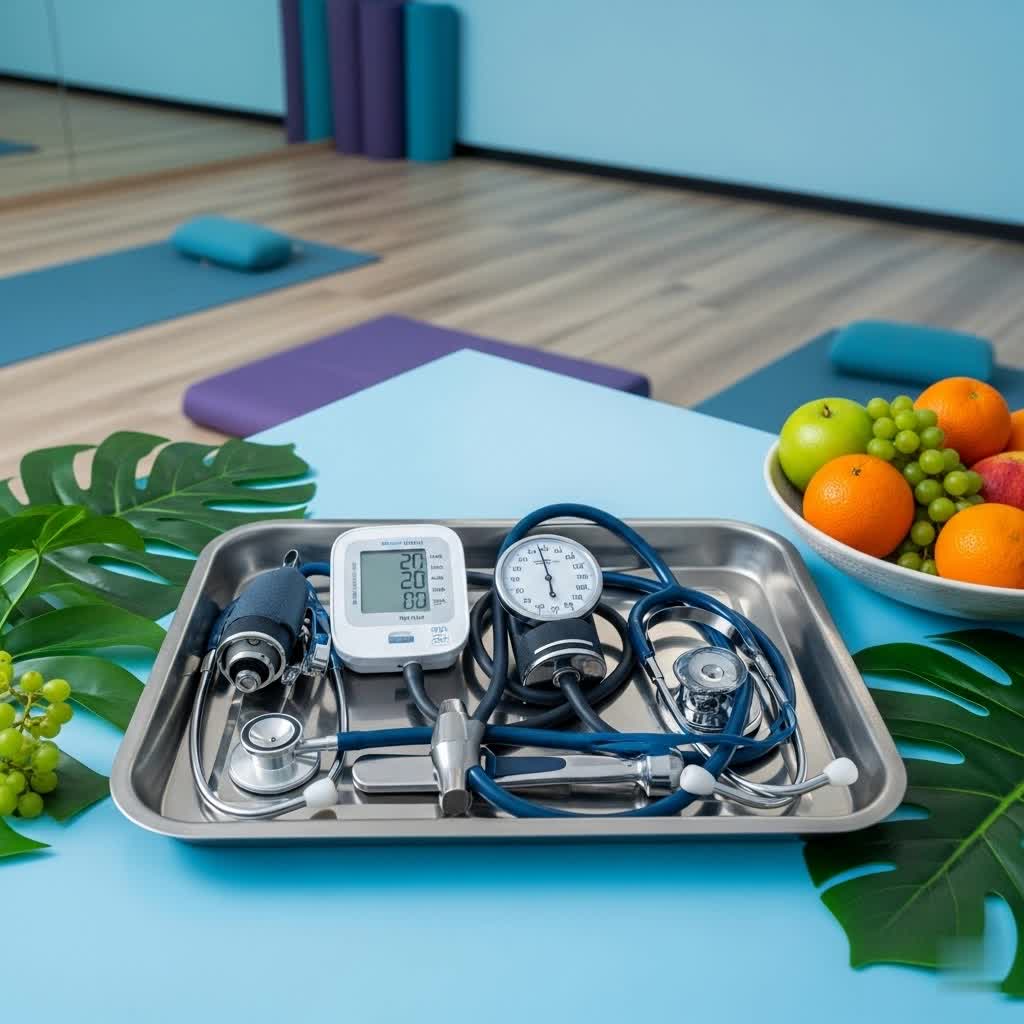
Stepping onto the field, court, or trail, every athlete shares a common goal: to perform at their best. Yet, the dynamic nature of sports inevitably brings the risk of injury. From minor scrapes to more significant sprains, being unprepared can turn a moment of adrenaline into prolonged discomfort or worse. This guide will help you understand the critical role of a well-equipped sports medical kit, ensuring you’re always ready to handle emergencies, protect yourself and your teammates, and get back in the game safely.
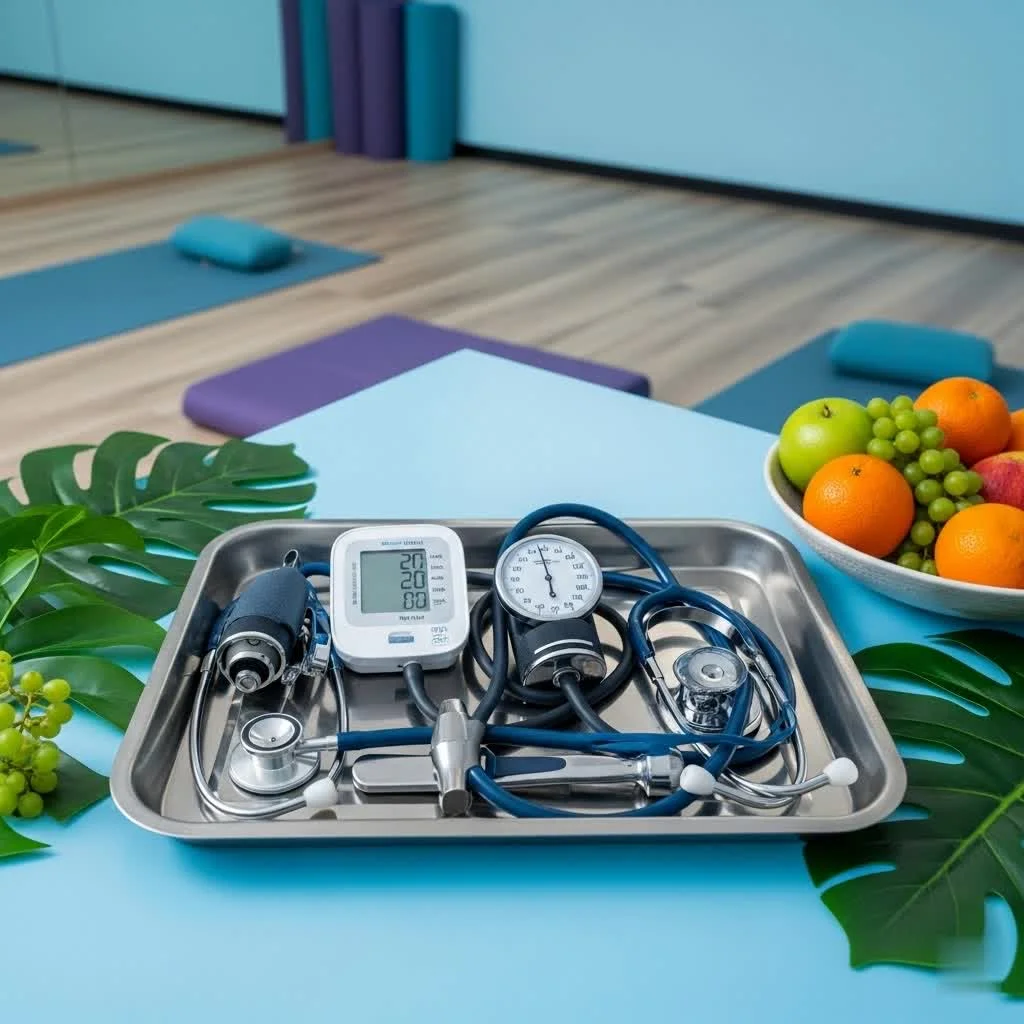
What is a Sports Medical Kit and Why Do You Need One?
A sports medical kit, often referred to as an athletic first aid kit, is a specially curated collection of medical supplies and equipment designed to address common injuries and emergencies encountered during physical activity. It’s more than just a box of bandages; it’s an essential tool for immediate injury response, crucial for anyone involved in sports – from professional athletes and coaches to casual enthusiasts and parents. For explore our emergency reviews on this site.
The importance of a sports medical kit cannot be overstated. In the heat of the moment, rapid intervention can significantly reduce the severity of an injury, prevent complications like infection, and even shorten recovery time. Consider this: over 3.5 million children aged 14 and younger experience sports-related injuries annually in the U.S., with approximately 62% of these occurring during practice. While death from sports injuries is rare, sports and recreational activities contribute to about 21% of all traumatic brain injuries in American children. Having a readily accessible kit allows for prompt action, providing crucial care until professional medical help arrives, if needed. It’s not just about treating injuries; it’s about fostering a culture of safety and preparedness.
Common situations where a sports medical kit proves invaluable include:
- Cuts, scrapes, and abrasions: From a fall on the track to a collision on the field.
- Sprains and strains: The most common sports injuries, often requiring immediate cold therapy and compression.
- Blisters: Frequently occurring in running, hiking, or any activity involving repetitive friction.
- Bruises and contusions: Impact injuries common in contact sports.
- Minor burns: Less common but possible with certain equipment or environmental factors.
- Eye irritation or foreign objects: Dust or debris in the eyes.
- Allergic reactions or insect stings: Especially during outdoor activities.
In many organized sports settings, having a stocked first aid kit and trained personnel to administer aid is not just good practice but a legal requirement under health and safety regulations.
Types of Sports Medical Kits
Sports medical kits vary widely in size, scope, and portability, tailored to different activities and user needs. Choosing the right type depends on the specific sport, the number of people involved, and the environment.
Individual/Personal Sports Medical Kits
|
Our Picks for the Best Medical Kit in 2026
As an Amazon Associate I earn from qualifying purchases.
|
||
| Num | Product | Action |
|---|---|---|
| 1 | Adventure Medical Kit Ultralight/Watertight Medical Kit .5 - Up to 2 People, Up to 2 Days - Includes Bandages, Blister Essentials & More - Perfect for Hiking, Biking & Climbing |

|
| 2 | Mini First Aid Kit - 150 Piece Small Waterproof Hard Shell Medical Kit for Home, Car, Travel, Camping, Truck, Hiking, Sports, Office, Vehicle & Outdoor Emergencies- Small First Aid Medical Kit (Red) |
|
| 3 | Large First Aid Kit for Car, Travel & Home - Emergency Kit for Hiking, Camping, Backpacking and Outdoors - Includes Zip Stitch Wound Closure Strips |
|
| 4 | Large Pro First Aid Kit for Car, Travel & Home - Emergency Kit for Hiking, Camping, Backpacking and Outdoors - Includes Zip Stitch Wound Closure Strips |
|
| 5 | Car First Aid Kits 275Pcs Survival Gear Home Travel Size Small Emergency Kit Tactical Hiking EVA Camping Essentials Backpack Sports Office Boat Urgent Accident |
|
| 6 | Zonon Naloxone Overdose Emergency Kit Cabinet with Handle 7.5" L x 3.5" W x 9" H Magnetic Closing First Aid Cabinet Wall Mount Metal Medical Box for Public Space Storage Solution, White |
|
| 7 | Be Smart Get Prepared First Aid Kit Hard Red Case 326 Pieces Exceeds OSHA and ANSI Guidelines 100 People - Office, Home, Car, School, Emergency, Survival, Camping, Hunting and Sports (20HBC01015REV3) |
|
| 8 | Survival Kit, 262Pcs Survival Gear and Supplies with First Aid Kit Pouch and Crossbody Bag, Emergency Kit with Tent, Camping Axe Hammer, Survival Shovel w/Pick, Bug Out Bag Gifts for Men Women |
|
| 9 | 330 Piece First Aid Kit, Premium Waterproof Compact Trauma Medical Kits for Any Emergencies, Ideal for Home, Car, Travel, Camping, Hiking, Truck, Office, Sports (Medium) |
|
| 10 | Sundaymot Doctor Kit for Kids, 34 Pcs Pretend Playset for Toddlers, Doctor kit for Toddlers 3-5, with Medical Bag, Stethoscope and Other Accessories, for Boys and Girls Fun Role Playing Game |
|
These compact kits are designed for solo athletes or small groups, perfect for personal use during training, hiking, cycling, or gym sessions.
- Components: Typically include adhesive bandages, antiseptic wipes, a small roll of athletic tape, instant cold pack, pain relievers, and blister treatment.
- Advantages: Lightweight, highly portable, fits easily into a gym bag or backpack. Affordable.
- Disadvantages: Limited supplies, suitable only for minor injuries.
Team Sports Medical Kits
Larger and more comprehensive, these kits are built for coaches, athletic trainers, and teams, ready to handle a broader range of injuries that might occur during games or practice.
- Components: A wider variety of bandages (gauze, elastic wraps, wound closure strips), multiple instant cold packs, antiseptic solutions, antibiotic ointment, trauma shears, tweezers, gloves, CPR masks, athletic tape, pre-wrap, saline solution, and sometimes splinting materials.
- Advantages: Comprehensive supplies for multiple athletes and various injuries. Often organized with compartments for easy access.
- Disadvantages: Larger and heavier, less portable for individual use. Can be more expensive.
Specialized Sports Medical Kits
These kits cater to the unique demands of particular sports or environments, featuring additional items beyond general first aid.
- For Contact Sports (e.g., Football, Rugby): May include extra athletic tape for joint support, nose plugs, and specific wound care for impacts.
- For Outdoor/Adventure Sports (e.g., Hiking, Climbing): Often contain items for snake bites, insect stings, sun protection, water purification tablets, blister prevention/treatment, and emergency blankets.
- For Aquatic Sports: Focus on waterproof packaging, ear drops, and specific wound care for wet environments.
- For Endurance Athletes: Glucose tablets for diabetic athletes, electrolyte supplements, and specialized blister care.
Essential Components of a Sports Medical Kit
A truly effective sports medical kit is stocked with a variety of items to address the most common athletic injuries. While specific contents may vary, certain essentials form the backbone of any reliable kit.
-
Bandages and Dressings: Crucial for managing cuts, scrapes, blisters, and larger wounds.
- Adhesive Bandages (various sizes): For minor cuts and abrasions. Opt for waterproof ones to ensure they stay put even with sweat or rain.
- Gauze Pads (sterile & non-sterile): For cleaning wounds, absorbing blood, and covering larger abrasions.
- Non-adherent Dressings (e.g., Telfa pads): To cover wounds without sticking to them.
- Elastic Bandages (e.g., Ace wraps): For compression and support of sprains and strains, aiding in swelling reduction.
- Triangular Bandages: Versatile for slings, head bandages, or securing splints.
- Wound Closure Strips (Butterfly Closures): To help close small cuts.
-
Antiseptics and Disinfectants: To clean wounds and prevent infection.
- Antiseptic Wipes/Sprays (alcohol-free options): For quick and effective cleaning of skin around injuries.
- Antibiotic Ointment (e.g., Neosporin): Applied to cleaned wounds to prevent bacterial growth.
- Saline Solution: For rinsing wounds or flushing eyes.
-
Pain Relief & Injury Management: To alleviate discomfort and reduce swelling.
- Instant Cold Packs: Essential for R.I.C.E. (Rest, Ice, Compression, Elevation) therapy, reducing swelling and numbing pain from sprains, strains, and bruises.
- Pain Relievers (e.g., Ibuprofen, Acetaminophen): Over-the-counter options for managing pain and inflammation.
- Burn Cream/Gel: For minor burns.
- Blister Pads/Moleskin: To cushion and protect blisters, allowing athletes to continue with less pain.
-
Tapes and Wraps: For securing dressings and providing support.
- Athletic Tape: For joint support, securing padding, or taping fingers/ankles.
- Underwrap/Pre-wrap: To protect skin before applying athletic tape.
- Medical Tape: For securing gauze or other dressings.
-
Tools and Miscellaneous Items:
- Trauma Shears/Scissors: For cutting tape, clothing, or bandages.
- Tweezers: For removing splinters, thorns, or debris from wounds.
- Disposable Gloves (latex-free): To maintain hygiene and protect the first aider from bloodborne pathogens.
- CPR Face Shield/Mask: For safe mouth-to-mouth resuscitation.
- Safety Pins: To secure bandages or slings.
- Emergency Contact Card/Medical Info: Critical for athletes with pre-existing conditions or allergies.
- Plastic Bags: For disposing of soiled items or creating an improvised cold compress.
- Foil Blanket: To prevent hypothermia in shock victims.
Comparing Sports Medical Kits
When selecting a sports medical kit, comparing options based on their features, contents, and suitability for different scenarios is vital. The market offers a range from basic personal kits to comprehensive team solutions.
| Feature | Basic Personal Kit | Standard Team Kit | Advanced Athletic Trainer Kit |
|---|---|---|---|
| Price Range | $15 – $50 | $50 – $200 | $200 – $1000+ |
| Components | Bandages, wipes, small ice pack | Wider variety of dressings, multiple ice packs, tape, tools, pain relievers | Extensive medical supplies, advanced tools, splints, diagnostic items |
| Size/Weight | Compact, lightweight, pocket-sized | Medium, portable (duffel or backpack) | Large, often wheeled or specialized backpack |
| Portability | Excellent for individual athletes | Good for coaches/small teams | Designed for dedicated trainers, less portable for casual use |
| Common Uses | Minor cuts, blisters, muscle aches | Sprains, strains, larger cuts, team events | Comprehensive injury management, on-field emergencies, professional settings |
| Pros | Affordable, easy to carry, always available | Versatile for common team injuries, well-organized | Extensive capabilities, professional-grade supplies |
| Cons | Limited for serious injuries, needs frequent restocking | May not cover all specialized needs, can be bulky for individual use | Expensive, requires training to use all components effectively, heavy |
This comparison highlights that a “one-size-fits-all” approach doesn’t work for sports medical kits. Your choice should align directly with your activities and potential risks.
Sports Medical Kit Buying Guide
Choosing the right sports medical kit can feel overwhelming with the many options available. However, by focusing on a few key criteria, you can make an informed decision that ensures optimal safety and preparedness.
-
Assess Your Specific Needs:
- Activity Type: Are you playing low-contact sports like tennis, or high-contact sports like rugby? Do you participate in outdoor adventure sports? This will dictate the types of injuries you’re most likely to encounter.
- Number of Participants: A solo runner needs a different kit than a coach managing a youth soccer team.
- Environment: Will your kit be exposed to the elements? Consider waterproof or rugged cases for outdoor use.
-
Evaluate Kit Contents:
- Ensure the kit includes the essential components listed earlier. Prioritize items for common injuries in your sport. For instance, a soccer kit should have plenty of athletic tape and instant cold packs.
- Check for quality of supplies. Sterile items should be properly sealed.
- Look for a variety of sizes for bandages and dressings to accommodate different injury types.
-
Consider Portability and Organization:
- Portability: If you’re carrying it yourself, a lightweight, compact design is crucial. For team kits, look for bags with comfortable straps or even wheels.
- Organization: A well-organized kit with clear compartments allows for quick access to supplies during an emergency, saving valuable time. Many kits feature labeled pockets or clear pouches.
-
Check for Quality and Brand Reputation:
- Invest in kits from reputable brands known for quality medical supplies. Brands like Mueller, Cramer, MFASCO, and Alpha Sport are frequently mentioned in athletic circles for their reliability.
- Read reviews from other users, especially those involved in similar sports. Their practical experience can offer valuable insights into a kit’s durability and effectiveness.
-
Compare Price and Value:
- While cost is a factor, prioritize quality and comprehensiveness over the cheapest option. A poorly stocked or low-quality kit is a false economy when dealing with emergencies.
- Look for kits that offer refill options or allow for easy replenishment of individual items, which can be more cost-effective in the long run.
“The best sports medical kit isn’t just about having a lot of stuff; it’s about having the right stuff, in the right place, when you need it most. Prioritize quality and organization.” – Dr. Alex Johnson, Sports Medicine Physician
Reputable Sports Medical Kit Brands
Several brands have established themselves as leaders in providing high-quality sports medical kits, earning the trust of athletes, coaches, and trainers worldwide.
- Mueller Sports Medicine: A highly recognized name in sports medicine, Mueller offers a wide range of athletic training and first aid kits, from small personal kits to comprehensive team bags. They are known for durable bags and professional-grade supplies.
- Cramer: Another long-standing brand, Cramer specializes in athletic training room supplies and field kits. Their products are often found in collegiate and professional sports settings, known for their robust construction and well-organized compartments.
- MFASCO Health & Safety: MFASCO provides a variety of first aid solutions, including sports-specific kits. They emphasize customizable options and easy-to-restock kits, making them a practical choice for ongoing needs.
- Alpha Sport: Popular for both youth and senior sports teams, Alpha Sport kits are praised for being portable, well-stocked, and durable.
- Sportsstrap: Offers kits designed to meet regulatory compliances, focusing on essential items for immediate injury treatment.
When selecting a brand, consider not only the initial kit but also the availability of refills and customer support.
Effective Use of Your Sports Medical Kit
Having a sports medical kit is only half the battle; knowing how to use it effectively is paramount. While this guide provides general advice, consider taking a certified first aid course to gain practical skills.
- Assess the Situation: Before approaching an injured athlete, ensure the area is safe. Quickly determine the nature and severity of the injury.
- Wear Protective Gear: Always put on disposable gloves before touching an injury to prevent infection.
- Clean Wounds: For cuts and scrapes, use antiseptic wipes or saline solution to thoroughly clean the wound, moving from the center outwards. Apply antibiotic ointment if available.
- Dress Wounds: Cover cleaned wounds with an appropriate sterile dressing and secure it with tape or an adhesive bandage. For larger wounds, layer gauze pads.
- Manage Sprains and Strains (R.I.C.E.):
- Rest: Immobilize the injured area.
- Ice: Apply an instant cold pack for 15-20 minutes at a time to reduce swelling and pain.
- Compression: Use an elastic bandage to wrap the injured area, providing support and reducing swelling, but ensure it’s not too tight.
- Elevation: Raise the injured limb above heart level if possible.
- Administer Pain Relief: Offer over-the-counter pain relievers if appropriate and no contraindications exist.
- Monitor and Seek Professional Help: Continuously monitor the injured individual. If the injury is severe (e.g., suspected fracture, concussion, deep laceration), if pain is intense, or if symptoms worsen, seek immediate professional medical attention.
Proper Storage and Maintenance of Your Sports Medical Kit
A medical kit is only effective if its contents are in good condition and readily accessible. Regular maintenance is key to ensuring your kit is always prepared for an emergency.
- Ideal Storage Conditions: Store your sports medical kit in a cool, dry place, away from direct sunlight and extreme temperatures. High heat can degrade medications and adhesives. For team kits, keep it in an easily accessible location at practices and games.
- Regular Inventory and Replenishment: After each use, immediately replace any items used. Conduct a full inventory check at least quarterly, or more frequently during peak sports seasons.
- Check Expiration Dates: Discard and replace any expired medications, ointments, or sterile supplies.
- Restock Used Items: Keep a running list of items used so you can replenish them promptly.
- Clean Reusable Tools: After use, clean and sanitize scissors, tweezers, and other reusable instruments.
- Organize for Efficiency: Keep your kit neatly organized. Compartments, clear pouches, and labels help you quickly locate specific items during a stressful situation. Consider grouping similar items together.
- Customize as Needed: Your kit should evolve with your activities. If you pick up a new sport or travel to a different environment, review and adjust your kit’s contents accordingly. Add sport-specific items like extra athletic tape for a basketball kit or bee-sting swabs for a hiking kit.
By diligently following these maintenance practices, you ensure your sports medical kit remains a reliable guardian for health and safety, ready to tackle any unexpected injury.
Conclusion
A comprehensive sports medical kit is an indispensable asset for anyone actively participating in or supporting athletic endeavors. It’s more than just a collection of supplies; it’s a commitment to safety, preparedness, and the well-being of athletes. From managing minor cuts and blisters to providing crucial initial care for sprains and strains, a well-stocked and properly maintained kit ensures you can respond swiftly and effectively when injuries occur. By understanding the types of kits available, knowing the essential contents, and adhering to proper usage and maintenance, you empower yourself to minimize downtime and facilitate a faster, safer return to play.
Are you confident your sports medical kit is ready for anything the game throws your way?
Frequently Asked Questions
What makes a sports medical kit different from a regular first aid kit?
A sports medical kit is specifically designed to address common athletic injuries like sprains, strains, blisters, and abrasions. It often includes specialized items such as athletic tape, pre-wrap, multiple instant cold packs, and various compression bandages, which are less prominent or absent in a general household first aid kit.
How often should I check and restock my sports medical kit?
You should check your sports medical kit after every use to replace any consumed items and perform a comprehensive inventory check at least once every three months. Pay close attention to expiration dates for medications and sterile supplies, replacing them promptly to ensure effectiveness.
Can I build my own sports medical kit instead of buying a pre-assembled one?
Yes, you can certainly build your own sports medical kit. This allows for customization based on your specific sport and needs. However, ensure you include all essential components from reputable suppliers and consider organizing it effectively for quick access during emergencies.
What are the most common injuries a sports medical kit should be prepared for?
A sports medical kit should be prepared to handle the most common athletic injuries, including cuts, scrapes, abrasions, blisters, sprains, and strains. It should also contain items for basic wound cleaning, pain relief, and initial response to swelling or minor impact injuries.
Is professional first aid training necessary to use a sports medical kit?
While a basic understanding can help with minor injuries, professional first aid training is highly recommended. It provides the knowledge and confidence to effectively administer aid, identify serious conditions, and make informed decisions during emergencies, enhancing the value of your sports medical kit.
Get our weekly buyer guide
Practical specs, not advice. Unsubscribe anytime.

As a coach, I can’t stress enough how vital it is to be prepared. This guide’s emphasis on protecting yourself and your teammates really resonated with me. I invested in a larger kit for the team, specifically one that included a good selection of wraps and tapes for various sprains. It’s given me peace of mind knowing we’re ready for anything on the field.
I bought one of the recommended kits after reading about the importance of having a comprehensive athletic first aid kit. It’s truly a game-changer for our family, especially with two kids in soccer and track. We’ve already used it for a minor ankle sprain and some nasty scrapes. Everything we needed was right there, well-organized and easy to access.
I was looking for something to cover common injuries like sprains and cuts for my hiking trips. The kit I got was decent, but some of the bandages felt a little flimsy for rugged outdoor use. It’s a good starting point, but I’ll probably swap out a few items for more durable options. Still, it’s better than nothing.
This guide really highlighted the difference between a basic first aid kit and a true sports medical kit. I appreciate the focus on immediate injury response. I picked up the ‘Pro-Athlete’s Choice’ kit and it’s fantastic for my weekend warrior activities. My only minor gripe is that I wish it came with a few more cold packs, but that’s an easy fix.