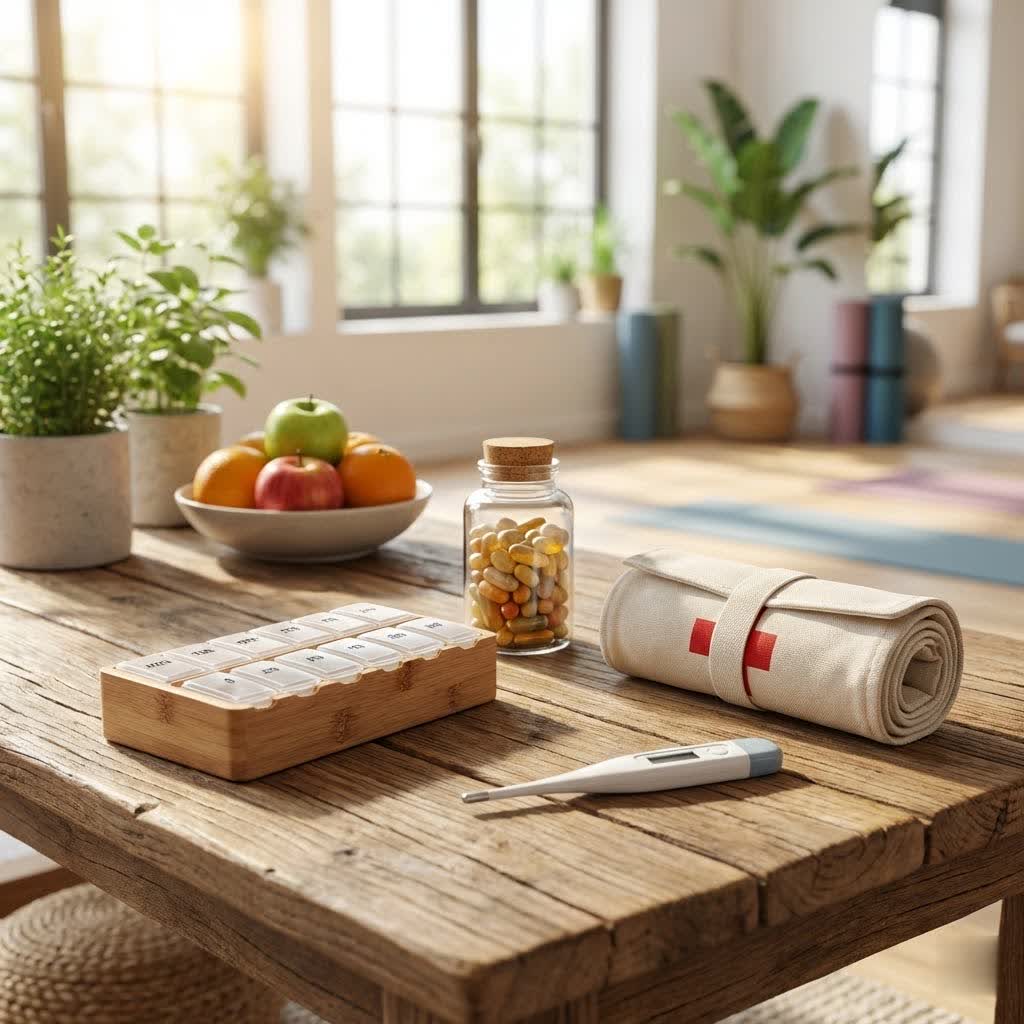
Life is full of unexpected moments, from minor scrapes to more significant injuries. When accidents happen, being prepared can make all the difference between a quick recovery and a prolonged ordeal. A well-stocked Home Medical Kit is not just a convenience; it’s a vital component of household safety, ensuring you have the necessary tools and supplies at your fingertips to handle common emergencies. This comprehensive guide will help you understand the importance of a home medical kit, what to include, how to choose the best one, and how to maintain it for optimal readiness.
What is a Medical Kit and Why Do You Need One?
A medical kit, often referred to as a first aid kit, is a collection of supplies and equipment used to provide immediate medical treatment for injuries or illnesses. In the home, it acts as your first line of defense against everyday mishaps, such as cuts, burns, sprains, allergic reactions, and fevers. Having one readily available means you can address minor issues promptly, prevent complications, and stabilize more serious conditions while awaiting professional medical help.
Consider the statistics: accidents at home are surprisingly common. Simple tasks like cooking, cleaning, or playing can lead to unforeseen injuries. A robust medical kit equips you to manage these situations effectively, reducing panic and ensuring efficient care. It empowers you to respond confidently, safeguarding your family’s health and well-being.
Common Types of Medical Kits
While the focus here is primarily on home medical kits, it’s helpful to understand that medical kits are tailored to various environments and needs. Each type is designed with specific potential incidents in mind, ensuring the most relevant supplies are included.
Home Medical Kits
|
Our Picks for the Best Medical Kit in 2026
We may earn a commission when you use one of our links to make a purchase.
|
||
| Num | Product | Action |
|---|---|---|
| 1 | Car First Aid Kits 275Pcs Survival Gear Home Travel Size Small Emergency Kit Tactical Hiking EVA Camping Essentials Backpack Sports Office Boat Urgent Accident |

|
| 2 | Zonon Naloxone Overdose Emergency Kit Cabinet with Handle 7.5" L x 3.5" W x 9" H Magnetic Closing First Aid Cabinet Wall Mount Metal Medical Box for Public Space Storage Solution, White |
|
| 3 | Sundaymot Doctor Kit for Kids, 34 Pcs Pretend Playset for Toddlers, Doctor kit for Toddlers 3-5, with Medical Bag, Stethoscope and Other Accessories, for Boys and Girls Fun Role Playing Game |
|
| 4 | Adventure Medical Kit Ultralight/Watertight Medical Kit .5 - Up to 2 People, Up to 2 Days - Includes Bandages, Blister Essentials & More - Perfect for Hiking, Biking & Climbing |
|
| 5 | Be Smart Get Prepared First Aid Kit Hard Red Case 326 Pieces Exceeds OSHA and ANSI Guidelines 100 People - Office, Home, Car, School, Emergency, Survival, Camping, Hunting and Sports (20HBC01015REV3) |
|
| 6 | Survival Kit, 262Pcs Survival Gear and Supplies with First Aid Kit Pouch and Crossbody Bag, Emergency Kit with Tent, Camping Axe Hammer, Survival Shovel w/Pick, Bug Out Bag Gifts for Men Women |
|
| 7 | Large Pro First Aid Kit for Car, Travel & Home - Emergency Kit for Hiking, Camping, Backpacking and Outdoors - Includes Zip Stitch Wound Closure Strips |
|
| 8 | Mini First Aid Kit - 150 Piece Small Waterproof Hard Shell Medical Kit for Home, Car, Travel, Camping, Truck, Hiking, Sports, Office, Vehicle & Outdoor Emergencies- Small First Aid Medical Kit (Red) |
|
| 9 | Large First Aid Kit for Car, Travel & Home - Emergency Kit for Hiking, Camping, Backpacking and Outdoors - Includes Zip Stitch Wound Closure Strips |
|
| 10 | 330 Piece First Aid Kit, Premium Waterproof Compact Trauma Medical Kits for Any Emergencies, Ideal for Home, Car, Travel, Camping, Hiking, Truck, Office, Sports (Medium) |
|
Designed for general household use, these kits are comprehensive, addressing a wide range of common injuries and ailments that can occur within a residential setting. They typically contain supplies for treating cuts, burns, sprains, fevers, and allergic reactions. A good home kit is robust enough to serve a family and should be kept in an easily accessible, central location.
Travel Medical Kits
Compact and portable, travel kits are scaled-down versions of home kits, packed with essentials for minor injuries and common travel-related health issues like motion sickness, indigestion, or blisters. They are designed to fit into luggage or a backpack, ensuring you’re prepared whether you’re on a weekend getaway or an international adventure.
Car Medical Kits
These kits are specifically curated for vehicle-related incidents, such as minor cuts from broken glass, road rash, or sprains from unexpected stops. They often include items suitable for harsher storage conditions (temperature fluctuations) and may contain tools like emergency blankets or shears for cutting seatbelts.
Specialized Medical Kits
Beyond general use, specialized kits cater to specific activities or needs. For instance, a sports medical kit might include athletic tape, cold packs, and blister treatment. A wilderness or hiking kit would focus on snakebite kits, water purification tablets, and heavy-duty wound care. Baby or child-specific kits often feature child-friendly medications, smaller tools, and thermometers suitable for infants.
Essential Components of a Home Medical Kit
A well-assembled home medical kit should include a variety of items to tackle different types of injuries and illnesses. Here’s a detailed look at the essentials:
-
Bandaging and Dressings:
- Adhesive Bandages (Band-Aids): Assorted sizes for minor cuts and scrapes.
- Sterile Gauze Pads: Various sizes (2×2, 4×4 inches) for larger wounds, bleeding, or as padding.
- Adhesive Tape: Medical-grade tape to secure dressings and bandages.
- Elastic Bandages: For sprains and strains to provide compression and support.
- Triangular Bandages: Versatile for slings, splints, or securing dressings.
- Non-stick Pads: To cover wounds without sticking.
-
Antiseptics and Cleaners:
- Antiseptic Wipes: For cleaning hands and surrounding skin before treating a wound.
- Antiseptic Solution: Such as hydrogen peroxide or povidone-iodine for wound disinfection.
- Saline Solution: For flushing wounds or eyes.
- Hand Sanitizer & Soap: For proper hand hygiene.
-
Medications:
- Pain Relievers: Acetaminophen (Tylenol) and ibuprofen (Advil) for pain, fever, and inflammation.
- Allergy Medication: Antihistamines (e.g., Benadryl) for allergic reactions, insect bites, or hives.
- Antibiotic Ointment: (e.g., Neosporin) to prevent infection in cuts and scrapes.
- Hydrocortisone Cream (1%): For skin irritations, rashes, and insect bites.
- Burn Gel or Cream: To soothe minor burns.
- Oral Rehydration Salts: For dehydration due to illness.
-
Tools and Equipment:
- Scissors: Sharp, blunt-tip scissors for cutting tape, gauze, or clothing.
- Tweezers: For removing splinters, ticks, or small debris from wounds.
- Safety Pins: To secure bandages or clothing.
- Thermometer: Digital thermometer for accurate temperature readings.
- Disposable Non-latex Gloves: Several pairs to maintain hygiene and protect against infection.
- CPR Mask or Face Shield: For safe mouth-to-mouth resuscitation.
- Instant Cold Packs: For immediate application to sprains, bruises, or minor swelling.
- Flashlight with Extra Batteries: For emergencies during power outages or in low-light conditions.
-
Emergency Information:
- First-Aid Manual: An up-to-date guide for quick reference on various treatments.
- Emergency Contact Numbers: A list of doctors, emergency services, and family contacts.
Comparing Various Medical Kits
Choosing the right medical kit often depends on your specific needs. Here’s a comparison to help illustrate the differences between common types:
| Feature | Home Medical Kit | Travel Medical Kit | Car Medical Kit | Specialized (e.g., Sports) Medical Kit |
|---|---|---|---|---|
| Size/Portability | Medium to large, designed for stationary storage | Small, lightweight, highly portable | Medium, robust case, often stored in trunk | Varies (compact to medium), activity-specific bag |
| Primary Use | General household accidents, common illnesses | Minor travel injuries, common travel ailments | Vehicle-related incidents, roadside emergencies | Activity-specific injuries (sprains, blisters) |
| Key Components | Wide range of bandages, medications, tools | Basic bandages, pain relievers, anti-diarrhea, motion sickness meds | Basic wound care, shears, emergency blanket, strong pain relief | Athletic tape, blister kits, instant cold packs, heavy-duty bandages |
| Durability | Good quality case, organized compartments | Durable, often waterproof/resistant fabric | Very durable, often hard-cased or heavy-duty fabric | Often water-resistant, robust for outdoor use |
| Cost Range | Moderate to high | Low to moderate | Moderate | Moderate to high (depending on specialization) |
| Pros | Comprehensive, ready for most home scenarios | Convenient for on-the-go care | Essential for vehicle safety, tailored for road incidents | Optimized for specific risks, enhanced protection |
| Cons | Less portable, might be overkill for travel | Limited supplies, not for serious issues | Can be bulky, not suitable for all environments | Less versatile for general use, potentially expensive |
Guide to Choosing Your Ideal Home Medical Kit
Selecting the perfect medical kit involves more than just picking the largest box on the shelf. It’s about thoughtful consideration of your lifestyle and needs.
-
Assess Your Usage Needs:
- Family Size and Age: A family with young children will need different items (e.g., pediatric thermometer, child-safe medications) than a single adult.
- Activities: Do you have active individuals or engage in hobbies that might lead to specific injuries (e.g., gardening, DIY projects)?
- Chronic Conditions: Include specific medications or supplies for family members with known allergies (like epinephrine auto-injectors) or other medical conditions.
-
Review the Contents:
- Ensure the kit contains a broad spectrum of supplies as listed in the “Essential Components” section.
- Check for variety in bandage sizes, types of dressings, and a good selection of over-the-counter medications.
- Does it include a first-aid manual and space for personal medications?
-
Prioritize Quality and Durability:
- Choose a kit from a reputable manufacturer known for medical supplies.
- The case itself should be sturdy, durable, and preferably water-resistant to protect the contents. Look for clear, organized compartments for easy access.
-
Consider Your Budget:
- Medical kits range widely in price. While it’s tempting to opt for the cheapest, investing in a higher-quality, more comprehensive kit can be invaluable in an emergency. Balance cost with the necessity and quality of the included items.
-
Read User Reviews:
- Insights from other users can highlight the practicality, organization, and effectiveness of a kit in real-world scenarios. Look for feedback on ease of use and quality of individual components.
Reputable Medical Kit Brands
Several brands consistently receive high marks for their comprehensive and reliable medical kits. When selecting a pre-assembled kit, these names often signify quality:
- Surviveware: Known for their durable, organized, and comprehensive kits, often with labeled compartments for quick access. Their products are popular among outdoor enthusiasts but also offer excellent home solutions.
- Johnson & Johnson All-Purpose: A classic and widely recognized brand, offering basic yet effective kits that are a great value for general home use. They are particularly strong in providing a good assortment of bandages.
- Protect Life First Aid Kit: These kits are often praised for their extensive contents, offering a wide range of items for various minor injuries, typically housed in a bright, easy-to-spot case.
- M2 Basics Professional Emergency First Aid Kit: Focuses on practicality and often includes a robust selection for handling more serious injuries, suitable for both home and professional settings.
- Adventure Medical Kits: While many of their kits are designed for outdoor and travel use, their expertise in providing high-quality, compact, and effective supplies translates well into more comprehensive home versions, especially for active families.
- First Aid Only: Offers a variety of kits, from basic household to more extensive professional setups, known for their adherence to first aid standards.
When choosing, remember that a pre-assembled kit can be a great starting point, but you might want to customize it with additional items specific to your family’s unique needs.
Effective Use of Your Medical Kit
Having a medical kit is only half the battle; knowing how to use its contents effectively is crucial. Basic first aid knowledge can turn a potentially chaotic situation into a manageable one.
- Understand Basic First Aid: Familiarize yourself with fundamental first aid principles such as cleaning and bandaging wounds, treating burns, stabilizing fractures, and managing allergic reactions. Many kits come with a basic manual, but consider taking a certified first aid course.
- Wound Care: For cuts and scrapes, clean the wound thoroughly with antiseptic wipes or saline solution, apply antibiotic ointment, and cover it with a sterile dressing or bandage. Ensure your hands are clean (using soap and water or hand sanitizer) and wear gloves if available to prevent infection.
- Medication Guidelines: Always read the instructions and dosage information for all medications in your kit. Be aware of potential side effects and interactions. Never administer medication to someone without confirming they are not allergic or do not have contraindications.
- Recognizing When to Seek Professional Help: While a home medical kit is excellent for minor injuries, it’s vital to know when an injury or illness warrants professional medical attention. Severe bleeding, deep wounds, suspected fractures, severe burns, head injuries, difficulty breathing, or persistent symptoms should always prompt a call to emergency services or a visit to a doctor.
Proper Medical Kit Storage and Maintenance
A medical kit is only useful if its contents are in good condition and readily accessible. Regular maintenance ensures your kit is always prepared for an emergency.
-
Ideal Storage Conditions:
- Cool, Dry Place: Store your kit away from direct sunlight, extreme temperatures, and high humidity, which can degrade medications and adhesives. Avoid bathrooms or cars for long-term storage if possible.
- Accessible Location: Keep the kit in a central, easy-to-reach spot known to all adults in the household. Common places include a kitchen cabinet, utility room shelf, or a dedicated closet.
- Out of Reach of Children: While accessible to adults, it should be secured away from curious young hands.
-
Regular Checks and Replenishment:
- Every Six Months: Set a reminder to inspect your kit at least twice a year.
- Check Expiration Dates: Go through all medications, ointments, and sterile supplies, replacing anything that has expired or is nearing its expiration date. Expired medications can lose their potency or even become harmful.
- Replenish Used Items: If you’ve used any supplies, replace them immediately. Don’t wait until the next scheduled check. This includes bandages, gauze, gloves, and specific medications.
- Inspect Packaging: Check for any damaged or compromised packaging, and replace items as needed.
- Battery Check: If your kit includes a flashlight, check its batteries regularly and keep spares.
-
Organization: Keep your kit tidy and well-organized. Clearly labeled compartments or zip-lock bags for different categories of supplies (e.g., bandages, medications, tools) can save valuable time during an emergency.
Conclusion
A comprehensive home medical kit is an indispensable tool for every household, offering peace of mind and the practical means to respond to unexpected health incidents. By understanding its essential components, choosing a kit tailored to your needs, and maintaining it diligently, you ensure your family is always prepared. Don’t wait for an emergency to realize you’re unprepared; take the proactive step today to secure a reliable medical kit. What steps will you take this week to ensure your home medical kit is ready for anything?
Câu Hỏi Thường Gặp
How often should I check my home medical kit?
It is recommended to check your home medical kit at least every six months. This regular inspection allows you to replace any expired medications, used supplies, or items with damaged packaging, ensuring your kit remains fully stocked and effective for any unexpected emergency.
Can I build my own home medical kit instead of buying a pre-assembled one?
Absolutely! Building your own home medical kit allows for customization to your family’s specific needs, including personal medications and allergy considerations. While pre-assembled kits offer convenience, a DIY approach ensures every item is hand-picked for relevance and quality, often proving more cost-effective in the long run.
Where is the best place to store a home medical kit?
The best place to store a home medical kit is in a cool, dry, and easily accessible location, away from direct sunlight and extreme temperatures. A kitchen cabinet or a utility room shelf is often ideal, but it should always be out of the reach of young children to prevent accidental misuse.