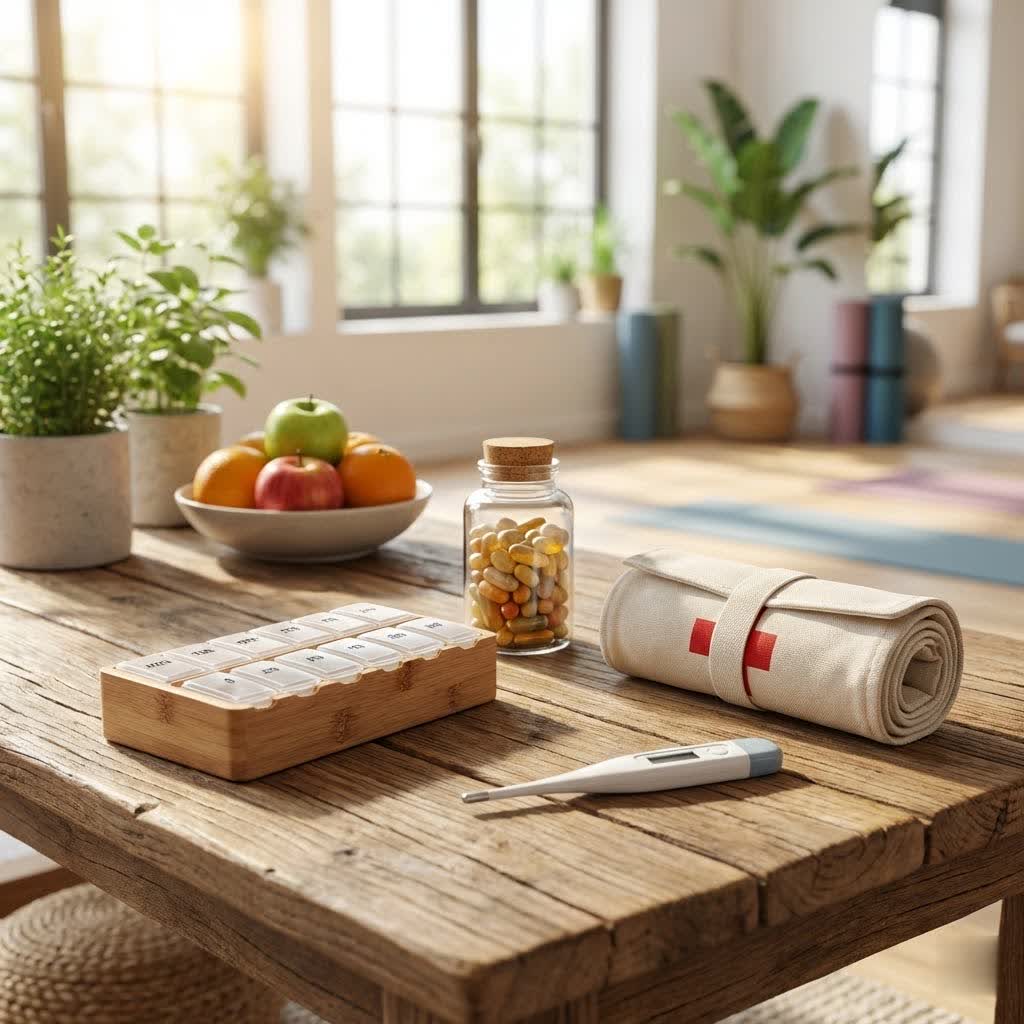
Ever found yourself far from home, facing an unexpected cut, a sudden fever, or an upset stomach, with no pharmacy in sight? Traveling offers incredible experiences, but it also comes with its share of unpredictable health challenges. A well-stocked Travel Medical Kit isn’t just a convenience; it’s a critical component of responsible travel planning, empowering you to handle minor emergencies and manage existing conditions without disrupting your journey. This comprehensive guide will help you understand the importance of a travel medical kit, what to include, how to choose the right one, and how to maintain it for peace of mind on every adventure.
What is a Travel Medical Kit and Why Do You Need One?
A travel medical kit is a curated collection of essential medical supplies and medications designed to address common illnesses, injuries, and health concerns that may arise while you’re away from home. Its primary purpose is to provide immediate care, allowing you to manage health issues effectively, especially in areas where access to medical facilities or familiar medications might be limited.
Travelers are often at an increased risk for various health problems due to changes in environment, diet, and exposure to new pathogens. Common ailments can range from minor cuts and scrapes to more significant issues like traveler’s diarrhea, respiratory infections, skin irritations, and allergic reactions. For instance, studies indicate that gastrointestinal issues are frequently encountered by travelers, while respiratory illnesses account for a notable percentage of reported ailments in those returning from international trips. Having a medical kit readily available means you can quickly respond to these situations, potentially preventing them from escalating into more serious conditions that could derail your travel plans. It’s about preparedness, ensuring your safety and well-being wherever your wanderlust takes you.
Types of Travel Medical Kits for Every Journey
Just as every trip is unique, so too should be your travel medical kit. The ideal kit depends heavily on your destination, planned activities, and the duration of your travel. Understanding the different types available can help you tailor your preparedness.
- Basic/Compact Kits: These are lightweight and minimalist, typically designed for short trips, urban exploration, or situations where medical help is readily accessible. They usually contain essentials for minor cuts, headaches, and common digestive issues. Their small size makes them perfect for a daypack or carry-on.
- Comprehensive Kits: Geared towards longer journeys, travel to remote areas, or destinations with limited medical infrastructure, these kits offer a wider range of supplies. They often include a broader spectrum of over-the-counter medications, more extensive wound care items, and sometimes tools for more complex first aid.
- Specialized Kits: For adventurers heading into the wilderness, high altitudes, or specific regions with unique health risks (e.g., malaria zones), specialized kits are crucial. These may include specific medications for altitude sickness, snakebite kits, advanced wound closure materials, or water purification tablets. Families traveling with children or individuals with chronic conditions (like diabetes or severe allergies) also require specialized kits tailored to their particular medical needs.
- DIY vs. Pre-packaged Kits: You can either assemble your own kit or purchase a pre-packaged one.
- DIY Kits: Offer complete customization, allowing you to select brands and items you trust and are familiar with. This ensures every item is relevant to your personal and travel needs.
- Pre-packaged Kits: Provide convenience and are often well-organized. Many reputable brands offer kits designed for various travel scenarios, from basic first aid to wilderness expeditions. However, you might need to supplement them with personal prescription medications or specific over-the-counter drugs.
Essential Components of a Travel Medical Kit
Regardless of your destination, a few core categories of supplies form the backbone of any effective travel medical kit. These items address the most common ailments and injuries you might encounter.
Wound Care & First Aid
These are your first line of defense against cuts, scrapes, blisters, and minor injuries.
- Assorted Adhesive Bandages: Various sizes to cover different wounds.
- Gauze Pads and Rolls: For larger wounds, absorbent, and can be used with tape.
- Adhesive Tape: To secure bandages and dressings.
- Antiseptic Wipes or Solution: To clean wounds and prevent infection (e.g., alcohol or iodine pads).
- Antibiotic Ointment: To apply to minor cuts and scrapes to prevent infection.
- Butterfly Bandage Closures: To help close small, clean cuts.
- Blister Pads or Moleskin: Essential for hikers or anyone prone to blisters.
- Elastic Bandage Wraps: For sprains, strains, or to provide support.
- Safety Pins: Useful for securing bandages or slings.
|
Our Picks for the Best Medical Kit in 2026
We may earn a commission when you use one of our links to make a purchase.
|
||
| Num | Product | Action |
|---|---|---|
| 1 | Large First Aid Kit for Car, Travel & Home - Emergency Kit for Hiking, Camping, Backpacking and Outdoors - Includes Zip Stitch Wound Closure Strips |

|
| 2 | 330 Piece First Aid Kit, Premium Waterproof Compact Trauma Medical Kits for Any Emergencies, Ideal for Home, Car, Travel, Camping, Hiking, Truck, Office, Sports (Medium) |
|
| 3 | Zonon Naloxone Overdose Emergency Kit Cabinet with Handle 7.5" L x 3.5" W x 9" H Magnetic Closing First Aid Cabinet Wall Mount Metal Medical Box for Public Space Storage Solution, White |
|
| 4 | Sundaymot Doctor Kit for Kids, 34 Pcs Pretend Playset for Toddlers, Doctor kit for Toddlers 3-5, with Medical Bag, Stethoscope and Other Accessories, for Boys and Girls Fun Role Playing Game |
|
| 5 | Car First Aid Kits 275Pcs Survival Gear Home Travel Size Small Emergency Kit Tactical Hiking EVA Camping Essentials Backpack Sports Office Boat Urgent Accident |
|
| 6 | Large Pro First Aid Kit for Car, Travel & Home - Emergency Kit for Hiking, Camping, Backpacking and Outdoors - Includes Zip Stitch Wound Closure Strips |
|
| 7 | Adventure Medical Kit Ultralight/Watertight Medical Kit .5 - Up to 2 People, Up to 2 Days - Includes Bandages, Blister Essentials & More - Perfect for Hiking, Biking & Climbing |
|
| 8 | Be Smart Get Prepared First Aid Kit Hard Red Case 326 Pieces Exceeds OSHA and ANSI Guidelines 100 People - Office, Home, Car, School, Emergency, Survival, Camping, Hunting and Sports (20HBC01015REV3) |
|
| 9 | Mini First Aid Kit - 150 Piece Small Waterproof Hard Shell Medical Kit for Home, Car, Travel, Camping, Truck, Hiking, Sports, Office, Vehicle & Outdoor Emergencies- Small First Aid Medical Kit (Red) |
|
| 10 | Survival Kit, 262Pcs Survival Gear and Supplies with First Aid Kit Pouch and Crossbody Bag, Emergency Kit with Tent, Camping Axe Hammer, Survival Shovel w/Pick, Bug Out Bag Gifts for Men Women |
|
Medications (Over-the-Counter)
These target common symptoms and conditions, offering relief and allowing you to continue your journey comfortably.
- Pain Relievers/Fever Reducers: Acetaminophen (Tylenol) or Ibuprofen (Advil, Motrin) for headaches, muscle aches, and fever.
- Antihistamines: For allergies, insect bites, or allergic reactions (e.g., diphenhydramine).
- Antacids: For indigestion, heartburn, or upset stomach.
- Anti-Diarrhea Medication: Such as loperamide, crucial for traveler’s diarrhea.
- Motion Sickness Medication: If you’re prone to seasickness, airsickness, or car sickness.
- Cold and Flu Remedies: Decongestants, cough drops, or lozenges.
- Hydrocortisone Cream: For insect bites, rashes, or minor skin irritations.
Special Considerations
Depending on your unique health profile and travel itinerary, certain additional items are vital.
- Prescription Medications: Bring an ample supply of any regular prescriptions, kept in their original labeled containers. A doctor’s note or prescription copy is recommended, especially for controlled substances or large quantities, to avoid issues at customs.
- Emergency Medications: If you have severe allergies (EpiPen), asthma (inhaler), or diabetes (insulin, glucose monitoring supplies), ensure these are accessible and sufficiently stocked.
- Altitude Sickness Medication: If traveling to high elevations.
- Insect Repellent: Especially important in areas with mosquito-borne diseases.
- Sunscreen and After-sun Lotion: Protect against UV exposure and soothe sunburns.
- Water Purification Tablets or Filter: For regions where safe drinking water is a concern.
Tools & Hygiene
These items support general health and the effective use of your medical supplies.
- Small Scissors (rounded tips): For cutting tape or bandages. (Check airline carry-on regulations).
- Tweezers: For removing splinters, thorns, or ticks.
- Digital Thermometer: To accurately check for fever.
- Disposable Gloves: To maintain hygiene when treating wounds.
- Hand Sanitizer (60%+ alcohol): For cleaning hands when soap and water aren’t available.
- First Aid Manual: A small guide for quick reference on basic procedures.
Comparing Popular Travel Medical Kits
While building your own kit allows for ultimate personalization, many excellent pre-packaged travel medical kits are available, offering convenience and a solid foundation. Here’s a comparison of some highly-regarded types and brands:
| Kit Type/Brand | Key Contents | Size/Weight | Ideal For | Pros | Cons |
|---|---|---|---|---|---|
| Adventure Medical Kits | Wide range: bandages, meds (pain, anti-diarrhea), blister care, tools. Specific “World Travel” kit. | Various (compact to medium) | General travel, international trips, light outdoor activities | Well-organized, includes essential medications, durable packaging. | May require adding personal prescriptions or specialized items. |
| Surviveware Small | Comprehensive first aid, well-labeled compartments, emergency blanket, minor trauma supplies. | Compact, ~1.5 lbs | Road trips, camping, families, everyday use | Excellent organization, durable & water-resistant, good instructions. | Slightly heavier than minimalist kits, may lack specific travel meds. |
| MyMedic MyFAK (Mini) | Trauma shears, tourniquet, chest seals, advanced wound care (more intensive focus) | Medium to Large | Wilderness, adventure travel, high-risk activities | Extremely comprehensive, high-quality trauma supplies, robust case. | Heavier and bulkier, often more expensive, perhaps overkill for basic trips. |
| Protect Life First Aid Kit | Bandages, gauze, antiseptic wipes, pain relievers, emergency blanket, CPR mask, small tools. | Compact | Car, home, short trips, general travel | Affordable, decent variety for its size, good for minor emergencies. | Contents may be basic, quality of some items can vary, less specialized. |
| Johnson & Johnson Travel Ready | Assorted bandages, cleansing wipes, gauze, antibiotic cream. | Mini, very light | Very light travel, supplementary kit | Highly portable, widely available, budget-friendly. | Very basic, lacks medications and many essential tools. |
When reviewing kits, consider what’s included versus what you might need to add. Some kits excel in trauma care, while others focus on common ailments. The best fit perfectly aligns with the potential risks and specific health needs of your journey.
Your Guide to Choosing the Right Travel Medical Kit (Buying Guide)
Selecting the perfect travel medical kit can feel overwhelming, but by breaking it down, you can make an informed decision that ensures your safety and preparedness.
- Assess Your Destination & Activities: Where are you going? A remote jungle trek demands a different kit than a week-long city break. Consider the local climate, common diseases, access to pharmacies or hospitals, and the physical demands of your activities. Are you hiking at altitude, swimming in open water, or simply sightseeing?
- Consider Your Health & Travel Companions: Factor in your personal medical history, any chronic conditions, allergies, or regular medications. If traveling with family, adapt the kit for children, elderly companions, or anyone with specific health needs. Always include enough personal prescription medications for the duration of your trip, plus a few extra days.
- Check Contents & Quality: Review the item list carefully. Does it cover the essentials for wound care, pain relief, and common travel ailments? Look for reputable brands for both the kit itself and its individual components. High-quality sterile items and reliable medications are non-negotiable.
- Review Size & Portability: A kit that’s too bulky or heavy will likely be left behind. Choose a size and weight that’s appropriate for your luggage and mode of transportation. For air travel, ensure items (especially liquids and sharp objects) comply with TSA regulations for carry-on vs. checked baggage.
- Read User Reviews: Gain insights from other travelers’ experiences. Reviews can highlight practical aspects like ease of organization, durability of the case, and the real-world usefulness of the contents.
Top Brands for Reliable Travel Medical Kits
When it comes to trust and reliability, several brands consistently stand out in the travel medical kit market. These companies are known for their thoughtful curation, quality components, and designs tailored for various travel needs.
- Adventure Medical Kits (AMK): A widely recognized leader, AMK offers a vast range of kits from ultra-light options for day hikes to comprehensive “World Travel” kits designed for international journeys. Their kits are typically well-organized with clear labels and often include mini-guides for wilderness medicine, making them a favorite among diverse travelers.
- MyMedic: Known for its robust and extensive kits, MyMedic provides options that range from compact everyday carry kits to advanced trauma-focused medical packs like the MyFAK. They prioritize high-quality components and often include items for more serious injuries, appealing to those embarking on high-risk or extremely remote adventures.
- Surviveware: This brand focuses on organization and durability. Their kits often feature clearly labeled compartments, making it easy to find what you need quickly in an emergency. Surviveware kits are praised for their rugged, water-resistant cases and comprehensive range of first aid supplies, suitable for car travel, camping, and general family use.
- Protect Life: Offering a balance of affordability and comprehensive content, Protect Life kits are good options for general travel and household use. They pack a good number of essential items into a compact form factor, making them a practical choice for those seeking a reliable, ready-to-go solution without breaking the bank.
Choosing a kit from these brands often provides assurance of quality and a well-thought-out selection of supplies.
Maximizing Your Travel Medical Kit: Usage Tips
Having a medical kit is only half the battle; knowing how to use it effectively is paramount. Familiarize yourself with the contents and some basic first-aid principles before you travel.
- Understand Each Component: Before your trip, open your kit and identify every item. Read instructions for any unfamiliar medications or tools. Knowing what you have and how to use it will save crucial time during an emergency.
- Basic Wound Care: For minor cuts and scrapes, thoroughly clean the wound with antiseptic wipes or solution, apply antibiotic ointment, and cover with a sterile bandage. For blisters, clean the area and apply moleskin or a blister pad to prevent further irritation.
- Managing Common Ailments:
- Headaches/Minor Pain/Fever: Use acetaminophen or ibuprofen as directed.
- Upset Stomach/Diarrhea: Take antacids for indigestion and anti-diarrhea medication for loose stools. Stay hydrated with water or oral rehydration salts.
- Allergic Reactions: Use antihistamines for mild symptoms. For severe reactions (anaphylaxis), administer an EpiPen immediately if prescribed, and seek emergency medical help.
- Medication Safety: Always follow dosage instructions on medication labels. Never take medication prescribed for someone else. Be aware of potential side effects and interactions.
- When to Seek Professional Medical Help: Your travel medical kit is for minor issues. If you experience severe symptoms like persistent high fever, uncontrolled bleeding, deep wounds, severe allergic reactions, signs of infection (redness, swelling, pus, warmth around a wound), difficulty breathing, or any concerning symptoms related to pre-existing conditions, seek professional medical attention immediately. Know how to contact emergency services in your destination.
Maintaining Your Travel Medical Kit
A medical kit is only useful if its contents are up-to-date and in good condition. Regular maintenance ensures it’s ready when you need it most.
- Store in Ideal Conditions: Keep your kit in a cool, dry place away from direct sunlight and extreme temperatures, which can degrade medications and supplies. In your luggage, choose a spot that’s easily accessible but also protected from crushing or leaks.
- Check Expiration Dates Regularly: Make it a habit to check all medications and sterile supplies every 6-12 months. Discard and replace anything that has expired. Expired medications can lose potency or even become harmful.
- Replenish Used Supplies: After each trip or whenever you use an item, make a note to replace it. Don’t wait until your next adventure to realize you’re missing crucial components.
- Organize for Efficiency: Keep your kit well-organized. Consider using small, clear pouches or labeled compartments within your kit to group similar items (e.g., wound care, pain relief, personal medications). This makes it faster to find what you need during a stressful moment. A well-organized kit is a quickly deployable kit.
Embarking on a journey, whether it’s an exhilarating adventure or a relaxing getaway, always carries an element of unpredictability. Preparing a comprehensive travel medical kit is a small effort that yields immense peace of mind, equipping you to handle life’s minor bumps and scrapes with confidence. From basic bandages to essential medications and specialized tools, the right kit tailored to your needs ensures you’re ready for anything the world throws your way. So, before you pack your bags, remember to pack your peace of mind—your reliable travel medical kit.
What essential item do you always include in your travel medical kit that you can’t live without on the road?
Câu Hỏi Thường Gặp
What should I prioritize in a travel medical kit for a remote hiking trip?
For remote hiking, prioritize advanced wound care (steri-strips, stronger pain relievers, blister treatment like moleskin), emergency blankets, tools like tweezers and scissors, and any personal prescription medications, especially for conditions like asthma or severe allergies. Water purification tablets and insect repellent are also crucial.
Are there any restrictions on carrying medications in a travel medical kit on an airplane?
Yes, liquid medications usually fall under the TSA’s 3-1-1 rule for carry-on baggage (3.4 ounces/100 milliliters per item, in a 1-quart-sized bag). Prescription medications, especially controlled substances, should always be in their original containers with clear labels, and a doctor’s note is highly recommended, especially for larger quantities or syringes.
How often should I update my travel medical kit?
You should review and update your travel medical kit every 6-12 months, or before any significant trip. Pay close attention to expiration dates for all medications and sterile supplies, replacing anything that has expired or been used. Also, reassess the contents based on your upcoming travel plans and any changes in your personal health.