Imagine a sudden emergency – a household accident, a car crash, or an unexpected medical crisis during a trip. While waiting for professional help, every second counts. An Emergency Medical Technician (EMT) medical kit isn’t just a collection of supplies; it’s a meticulously assembled arsenal designed to provide immediate, life-saving care. Far more comprehensive than a typical home first-aid kit, an EMT medical kit empowers individuals, from trained first responders to prepared citizens, to confidently manage diverse medical situations and bridge the critical gap until advanced medical personnel arrive. This guide will walk you through everything you need to know to select, stock, and maintain the ideal EMT medical kit for your specific needs, ensuring you’re always ready to respond effectively.
What is an EMT Medical Kit and Why Do You Need One?
An EMT medical kit is a specialized collection of medical supplies and equipment designed for rapid assessment, stabilization, and initial treatment of injuries and illnesses in pre-hospital settings. Unlike basic first aid kits, which primarily handle minor cuts and scrapes, an EMT kit is equipped to address more severe trauma, medical emergencies, and life-threatening conditions. It’s built to support the scope of practice for an Emergency Medical Technician, focusing on essential interventions like bleeding control, airway management, and fracture stabilization.
You need an EMT medical kit because emergencies are unpredictable and often demand more than just a band-aid. Whether you’re a certified EMT, a wilderness enthusiast, a safety officer, or simply a prepared individual, having an advanced kit can be the difference between a minor incident and a tragic outcome. These kits are invaluable in various scenarios, from responding to a severe allergic reaction at home to managing multiple injuries after a car accident, or providing care during an outdoor adventure where professional medical services might be hours away. In critical moments, being able to quickly access and utilize appropriate tools can dramatically improve patient outcomes and even save lives.
Essential Components of a Professional EMT Medical Kit
A truly effective EMT medical kit goes beyond the basics, stocking specialized tools and supplies categorized for swift and organized response.
Diagnostic and Assessment Tools
Accurate assessment is the first step in effective emergency care. Your kit should include:
- Stethoscope: For listening to heart, lung, and bowel sounds, crucial for assessing respiratory and cardiovascular status.
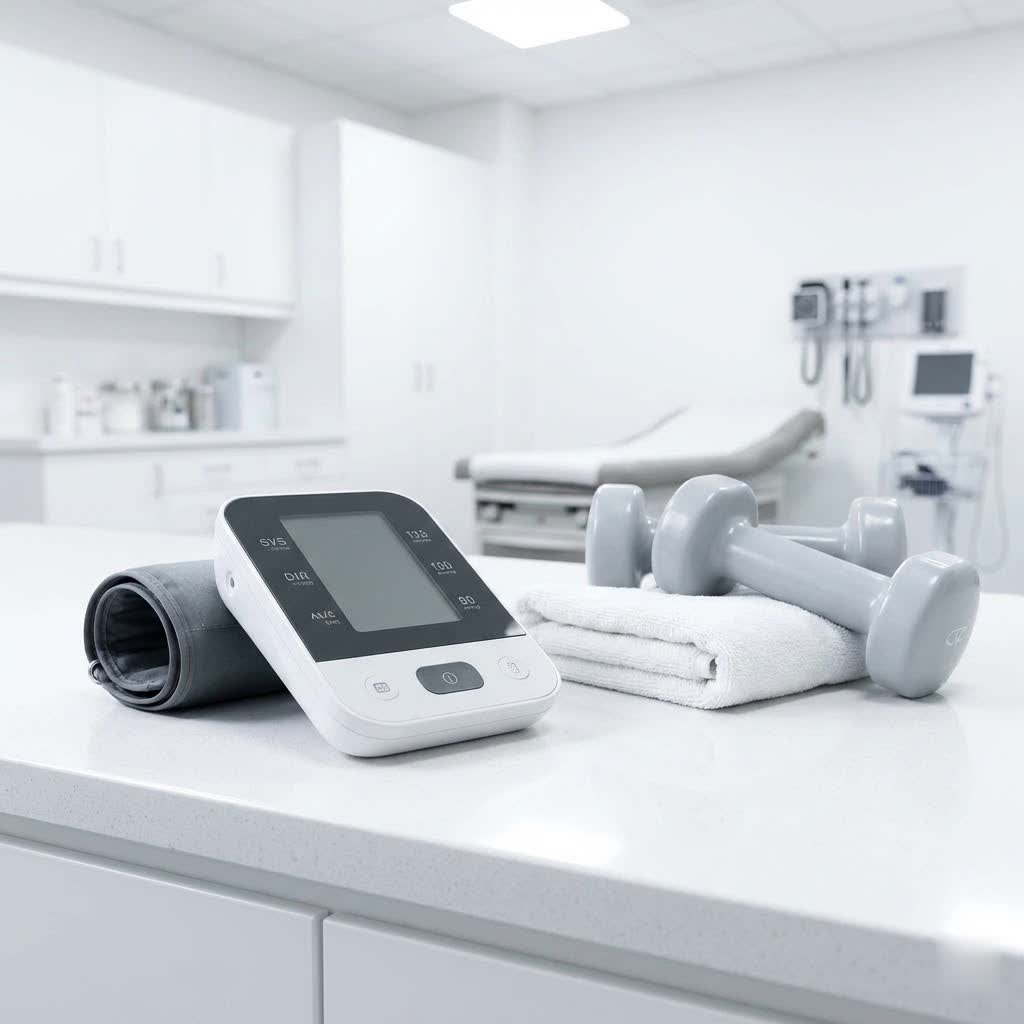
- Blood Pressure Cuff (Sphygmomanometer): Manual cuffs are reliable for obtaining accurate blood pressure readings.
- Penlight: Essential for pupil assessment (checking for reactivity and equality), examining wounds, and navigating low-light environments.
- Trauma Shears: Heavy-duty scissors designed to cut through clothing, seatbelts, or other materials quickly and safely without injuring the patient.
- Notepad and Pens/Markers: For documenting patient information, vital signs, and interventions.
Airway, Breathing, and Circulation (ABC) Management
|
Our Picks for the Best Medical Kit in 2026
As an Amazon Associate I earn from qualifying purchases.
|
||
| Num | Product | Action |
|---|---|---|
| 1 | Survival Kit, 262Pcs Survival Gear and Supplies with First Aid Kit Pouch and Crossbody Bag, Emergency Kit with Tent, Camping Axe Hammer, Survival Shovel w/Pick, Bug Out Bag Gifts for Men Women |

|
| 2 | Car First Aid Kits 275Pcs Survival Gear Home Travel Size Small Emergency Kit Tactical Hiking EVA Camping Essentials Backpack Sports Office Boat Urgent Accident |
|
| 3 | Adventure Medical Kit Ultralight/Watertight Medical Kit .5 - Up to 2 People, Up to 2 Days - Includes Bandages, Blister Essentials & More - Perfect for Hiking, Biking & Climbing |
|
| 4 | Mini First Aid Kit - 150 Piece Small Waterproof Hard Shell Medical Kit for Home, Car, Travel, Camping, Truck, Hiking, Sports, Office, Vehicle & Outdoor Emergencies- Small First Aid Medical Kit (Red) |
|
| 5 | Large Pro First Aid Kit for Car, Travel & Home - Emergency Kit for Hiking, Camping, Backpacking and Outdoors - Includes Zip Stitch Wound Closure Strips |
|
| 6 | 330 Piece First Aid Kit, Premium Waterproof Compact Trauma Medical Kits for Any Emergencies, Ideal for Home, Car, Travel, Camping, Hiking, Truck, Office, Sports (Medium) |
|
| 7 | Large First Aid Kit for Car, Travel & Home - Emergency Kit for Hiking, Camping, Backpacking and Outdoors - Includes Zip Stitch Wound Closure Strips |
|
| 8 | Zonon Naloxone Overdose Emergency Kit Cabinet with Handle 7.5" L x 3.5" W x 9" H Magnetic Closing First Aid Cabinet Wall Mount Metal Medical Box for Public Space Storage Solution, White |
|
| 9 | Be Smart Get Prepared First Aid Kit Hard Red Case 326 Pieces Exceeds OSHA and ANSI Guidelines 100 People - Office, Home, Car, School, Emergency, Survival, Camping, Hunting and Sports (20HBC01015REV3) |
|
| 10 | Sundaymot Doctor Kit for Kids, 34 Pcs Pretend Playset for Toddlers, Doctor kit for Toddlers 3-5, with Medical Bag, Stethoscope and Other Accessories, for Boys and Girls Fun Role Playing Game |
|
Maintaining a patent airway, ensuring adequate breathing, and managing circulation are paramount:
- CPR Mask/Barrier Device: Protects the rescuer during rescue breaths and is essential for effective CPR.
- Oral Airways (Oropharyngeal Airways – OPAs): Various sizes to help maintain an open airway in unconscious patients.
- Bag-Valve Mask (BVM) (for trained individuals): A manual resuscitator used to assist ventilation.
- Oxygen Tank and Regulator (if applicable and trained): For administering supplemental oxygen.
Trauma and Bleeding Control
Severe bleeding is a leading cause of preventable death in trauma. These items are critical:
- Tourniquets (e.g., CAT, SOF-T): Essential for controlling severe arterial or venous bleeding on extremities.
- Hemostatic Dressings (e.g., QuikClot, Celox): Gauze impregnated with agents to promote faster clotting for life-threatening bleeds.
- Trauma Bandages (e.g., Israeli Bandage): Multi-functional compression bandages for controlling moderate to severe bleeding.
- Gauze Rolls and Sterile Dressings: Various sizes (4x4s, 5x9s, ABD pads) for wound packing, covering, and absorption.
- Chest Seals (Vented/Occlusive): For treating penetrating chest wounds (sucking chest wounds) to prevent pneumothorax.
- Splints (e.g., SAM Splint): Moldable splints for immobilizing suspected fractures or dislocations.
- Triangular Bandages (Cravats): Versatile for slings, splinting, and securing dressings.
Wound Care and Infection Prevention
Proper wound care prevents infection and promotes healing:
- Antiseptic Wipes/Solution (e.g., Povidone-iodine, Alcohol Prep Pads): For cleaning wounds and sterilizing skin before procedures.
- Antibiotic Ointment: To prevent infection in minor wounds.
- Saline Wash/Eyewash Solution: For irrigating wounds or flushing irritants from eyes.
- Adhesive Bandages (various sizes): For minor cuts, abrasions, and securing dressings.
- Medical Tape (Cloth, Paper, Waterproof): For securing dressings, bandages, and other equipment.
- Tweezers: For removing splinters or other small foreign objects from wounds.
Personal Protective Equipment (PPE)
Protecting yourself is crucial to effectively helping others:
- Nitrile Gloves (multiple pairs): To protect against bloodborne pathogens and maintain sterility.
- Surgical Masks/N95 Respirators: For respiratory protection for both rescuer and patient.
- Safety Goggles/Eye Protection: To shield eyes from splashes or debris.
- Hand Sanitizer: For quick hand decontamination when soap and water are not available.
Other Critical Supplies
- Emergency Blanket (Mylar or Thermal): For treating shock, preventing hypothermia, or providing warmth.
- Instant Cold Packs: For reducing swelling and pain from sprains or contusions.
- Glucose Gel/Tablets: For diabetic emergencies (hypoglycemia).
- Epinephrine Auto-Injector (if prescribed and trained): For severe allergic reactions (anaphylaxis).
- Non-Prescription Medications: Aspirin (for suspected cardiac chest pain, if protocol allows), antihistamines, pain relievers. (Always consult medical direction and local protocols).
Types of EMT Medical Kits for Every Need
EMT medical kits come in various configurations, each tailored to different environments and levels of intervention. Choosing the right one depends on your training, typical scenarios you might encounter, and portability requirements.
-
Standard Professional EMT Bags/Backpacks: These are typically large, highly organized bags designed for ambulance crews, first responders, or industrial safety teams. They often feature multiple compartments, clear pouches, and rugged construction (e.g., 1000 Denier Cordura Nylon) to withstand harsh environments. They contain a comprehensive array of supplies for various trauma and medical emergencies, sometimes even including space for oxygen tanks. Brands like MyMedic and Lightning X offer full-sized options.
-
Compact/Everyday Carry (EDC) EMT Kits: For trained individuals who want to carry essential life-saving tools without a bulky bag. These kits focus on immediate, critical interventions like severe bleeding control (tourniquets, hemostatic gauze) and basic airway support. They are often small pouches designed to fit in a backpack, car, or even an ankle holster. The intent is to manage immediate threats for 5-10 minutes until more comprehensive help or resources are available.
-
Specialized Trauma Kits: These kits are hyper-focused on treating severe injuries, particularly those involving massive hemorrhage. They contain a higher concentration of bleeding control items such as multiple tourniquets, chest seals, pressure dressings, and hemostatic agents. They are ideal for high-risk environments or situations where traumatic injuries are more likely.
-
Vehicle/Home Advanced Kits: While not strictly “EMT” in a professional sense, many individuals assemble advanced medical kits for their homes or vehicles, inspired by EMT protocols. These kits combine general first aid with more robust trauma supplies, often including items for common ailments alongside tools for more serious injuries. They are designed to be accessible and provide a higher level of care than a typical consumer first aid kit.
Choosing the Right EMT Medical Kit: A Comprehensive Buying Guide
Selecting the ideal EMT medical kit requires careful consideration of your specific needs, training, and the environments where it will be used.
1. Assess Your Needs and Training Level
Are you a certified EMT, a wilderness first responder, a dedicated prepper, or just seeking to be better prepared for your family? Your training dictates what you can legally and safely use. A professional EMT will require a more extensive and specialized kit than someone looking for an advanced family emergency kit. Consider scenarios: daily carry, home, car, outdoor adventures, workplace.
2. Quality and Durability of the Bag/Case
The container itself is paramount. It should be:
- Durable: Made from robust, weather-resistant materials like 1000D Cordura nylon.
- Well-Organized: Multiple compartments, clear pouches, and elastic loops help keep supplies organized and easily accessible under stress.
- Portable: Ergonomic design, comfortable straps (for backpacks), and appropriate size for its intended use.
- Accessible: Quick-release buckles and easy-open zippers are crucial.
3. Contents: Comprehensiveness and Quality of Supplies
Review the item list carefully. Ensure it includes:
- Diagnostic tools: Stethoscope, BP cuff, penlight, shears.
- ABC management: CPR barrier, oral airways.
- Trauma supplies: Tourniquets, hemostatic dressings, pressure bandages, chest seals, splints.
- Wound care: Various dressings, antiseptics, antibiotic ointment, tape.
- PPE: Gloves, masks, eye protection.
- Medications: (if authorized and appropriate for your level) oral glucose, aspirin, antihistamines.
Prioritize quality medical-grade supplies over cheap alternatives. Generic items may fail when you need them most.
4. Expandability and Customization
No single kit is perfect for everyone. Look for kits that offer:
- Modular design: MOLLE (Modular Lightweight Load-carrying Equipment) webbing allows you to attach additional pouches.
- Empty space: Some kits leave room for you to add personal medications or specialized equipment relevant to your specific needs or local protocols.
5. Compliance and Certifications
If you are a professional, ensure the kit and its contents comply with local, state, and national EMS protocols and regulations. For general use, look for products from reputable manufacturers that meet recognized medical standards.
6. Budget vs. Value
While it’s tempting to opt for the cheapest option, medical kits are an investment in safety. Balance cost with the quality and comprehensiveness of the kit. A slightly more expensive kit with superior, reliable components and a well-designed bag offers greater value in an emergency. Read user reviews and professional endorsements.
“A first aid kit isn’t just a box of bandages; it’s a testament to preparedness. When seconds count, the right tools, quickly accessible, can rewrite a patient’s story.” – Dr. Emily R. Thorne, Emergency Physician
Top EMT Medical Kit Brands and Recommendations
Several reputable brands consistently produce high-quality EMT and advanced medical kits, earning trust among professionals and prepared citizens alike.
-
MyMedic: Known for their comprehensive and robust kits like “The Medic” and “MyFAK” series, MyMedic offers a wide range of options from compact EDC kits to full-sized trauma bags. Their products are often praised for their organization and high-quality, military-grade components, hand-picked by first responders and medical professionals.
-
Lightning X: A popular choice among EMTs and first responders, Lightning X offers full-sized medical bags and backpacks such as the “Jumbo Medic First Responder EMT Bag” and “Premium Trauma First Aid Backpack.” They are known for their durable construction, well-organized compartments, and often include features like oxygen bottle holders in larger models.
-
Adventure Medical Kits: While many of their kits lean towards wilderness first aid, Adventure Medical Kits (AMK) offers advanced options that incorporate many EMT-level supplies, especially for situations where prolonged care might be necessary. Their Ultralight/Watertight series is highly rated for durability and compact design, making them suitable for scenarios requiring lightweight, robust solutions.
-
Medical Gear Outfitters: This brand focuses on practical, everyday carry solutions and specialized trauma kits. Their “FATPack” series is well-regarded for its compact size and thoughtful inclusion of critical bleeding control items, making them an excellent choice for those seeking a highly portable yet capable kit.
-
LINE2design: Offers various paramedic and trauma kits designed for rigorous professional use. Their “Elite Paramedic Trauma Kit” is a notable option for its extensive supply list and durable design suitable for emergency medical services.
These brands often stand out due to their commitment to using medical-grade supplies, ergonomic bag designs, and understanding the demands of emergency situations. When choosing, consider the specific kit’s contents, the bag’s durability, and user reviews from individuals with similar needs and training levels.
How to Effectively Use Your EMT Medical Kit
Owning an EMT medical kit is just the first step; knowing how to use it effectively is paramount. Proper training empowers you to act confidently and competently during an emergency.
1. Prioritize Safety and Scene Assessment
Before approaching any patient, ensure the scene is safe for both you and the patient. Assess for hazards (traffic, electrical, fire, dangerous individuals). Only when the scene is safe should you proceed.
2. Follow the ABCs
Always prioritize Airway, Breathing, and Circulation (ABCs).
- Airway: Ensure the patient has an open airway. Use manual maneuvers (head-tilt/chin-lift or jaw-thrust) or airway adjuncts like oral airways if trained.
- Breathing: Check for effective breathing. If breathing is absent or inadequate, be prepared to provide rescue breaths with your CPR mask or BVM.
- Circulation: Assess for a pulse and control any severe bleeding immediately using direct pressure, pressure dressings, or tourniquets.
3. Rapid Assessment and Treatment
Perform a quick, systematic assessment of the patient to identify life-threatening injuries or medical conditions. Treat these findings as you discover them. For example, if you find massive bleeding, stop it before moving on to assess other injuries. Use your diagnostic tools to gather vital signs, which provide critical information about the patient’s condition.
4. Administer Basic First Aid and Stabilize Injuries
Utilize the various components of your kit for specific injuries:
- Wounds: Clean with antiseptic wipes, apply appropriate dressings, and secure with medical tape.
- Fractures/Sprains: Immobilize with splints and triangular bandages.
- Burns: Cool with clean, cool water, then cover with a burn dressing.
- Medical Emergencies: For conditions like allergic reactions or diabetic emergencies, administer specific medications (e.g., EpiPen, glucose gel) only if you are trained and authorized to do so.
5. Call for Professional Help
Unless it’s a very minor issue you can fully resolve, always call 911 or your local emergency number as soon as possible. Your role is often to stabilize the patient and provide initial care until higher-level medical professionals arrive. Provide them with a clear, concise report of what happened, what you observed, and what interventions you performed.
6. Training is Key
The best kit is useless without the knowledge to wield it. Enroll in accredited first aid, CPR, and ideally, an Emergency Medical Responder (EMR) or EMT course. Regular refreshers are crucial to keep your skills sharp and stay updated on best practices. Practice using your kit’s contents so you are familiar with them before an actual emergency.
Maintaining Your EMT Medical Kit for Peak Readiness
An EMT medical kit is only effective if it’s well-maintained and ready for immediate use. Regular checks and proper storage are non-negotiable.
1. Condition for Ideal Storage
Store your kit in a cool, dry place away from direct sunlight and extreme temperatures. Heat and moisture can degrade medical supplies, reduce the effectiveness of medications, and weaken materials. Keep it in a location that is easily accessible to responsible adults but out of reach of young children. For vehicle kits, consider temperature extremes and choose robust, heat-resistant containers.
2. Routine Inspections
Make it a habit to inspect your kit every 3-6 months, or after any significant use. A thorough inspection should include:
- Check Expiration Dates: Medical supplies and medications have expiration dates. Replace expired items immediately. This is particularly crucial for sterile dressings, adhesive products, and any over-the-counter medications.
- Inspect Packaging: Look for torn, punctured, or damaged packaging on sterile items. Compromised packaging means the item is no longer sterile and should be replaced.
- Assess Equipment Condition: Check tools like trauma shears, splints, and penlights for damage or depleted batteries. Ensure tourniquets are fully functional and not worn.
- Replenish Used Supplies: After any use, no matter how minor, take inventory and replace everything you’ve used. This prevents you from being caught unprepared for the next incident.
3. Organize and Repack Meticulously
A well-organized kit saves precious time in an emergency.
- Categorize Supplies: Group similar items together (e.g., bandages with bandages, airway tools with airway tools).
- Label Compartments: If your bag has removable pouches, label them clearly.
- “Grab-and-Go” Design: Arrange items so the most frequently used or critical supplies (like gloves, trauma shears, tourniquets) are easily accessible without digging.
- Maintain Sterility: Ensure sterile items remain sealed until needed.
4. Customization and Updates
As your skills or environment change, so might your kit’s needs.
- Add Personal Medications: Include any personal prescription medications (e.g., inhalers, insulin) if appropriate.
- Specialized Items: If you frequently engage in specific activities (e.g., rock climbing, diving), add relevant specialized items (e.g., pressure bandages for diving injuries).
- Stay Informed: Keep abreast of new medical recommendations or product innovations that might improve your kit.
By diligently maintaining your EMT medical kit, you ensure that you and your loved ones are always equipped with reliable tools to face unexpected medical challenges, providing immediate care when it matters most.
Conclusion
An EMT medical kit is an indispensable tool for anyone committed to preparedness and the ability to provide critical immediate care. From routine accidents to severe trauma, these comprehensive kits, stocked with essential diagnostic, airway, bleeding control, and wound care supplies, empower you to act decisively in an emergency. Selecting the right kit involves assessing your needs and training, prioritizing durable and well-organized containers, and ensuring the inclusion of high-quality, medical-grade components. Remember that ownership is only half the battle; consistent training in basic life support and regular maintenance—checking expiration dates, replenishing used items, and proper storage—are vital to keeping your kit ready for peak performance. Investing in a quality EMT medical kit and the knowledge to use it is an investment in safety, confidence, and the potential to save lives. Are you prepared to be the help until help arrives?
Frequently Asked Questions
What is the main difference between a regular first aid kit and an EMT medical kit?
An EMT medical kit is significantly more comprehensive, designed for stabilizing severe injuries and medical emergencies rather than just minor ailments. It contains specialized tools like tourniquets, chest seals, oral airways, and diagnostic equipment, reflecting the higher level of training and intervention capabilities of an Emergency Medical Technician.
Can anyone buy and use an EMT medical kit?
While anyone can purchase an EMT medical kit, effective and safe use often requires formal training in first aid, CPR, and ideally, an Emergency Medical Responder or EMT course. Some specialized items, like prescription medications or advanced airway devices, should only be used by trained and authorized individuals to ensure patient safety and legal compliance.
How often should I check my EMT medical kit for expired items?
It’s recommended to inspect your EMT medical kit every 3 to 6 months for expired medications and supplies, damaged packaging, or depleted batteries. After any use, perform an immediate inventory check and restock all used items to ensure your kit is always fully prepared for the next emergency.
Get our weekly buyer guide
Practical specs, not advice. Unsubscribe anytime.
