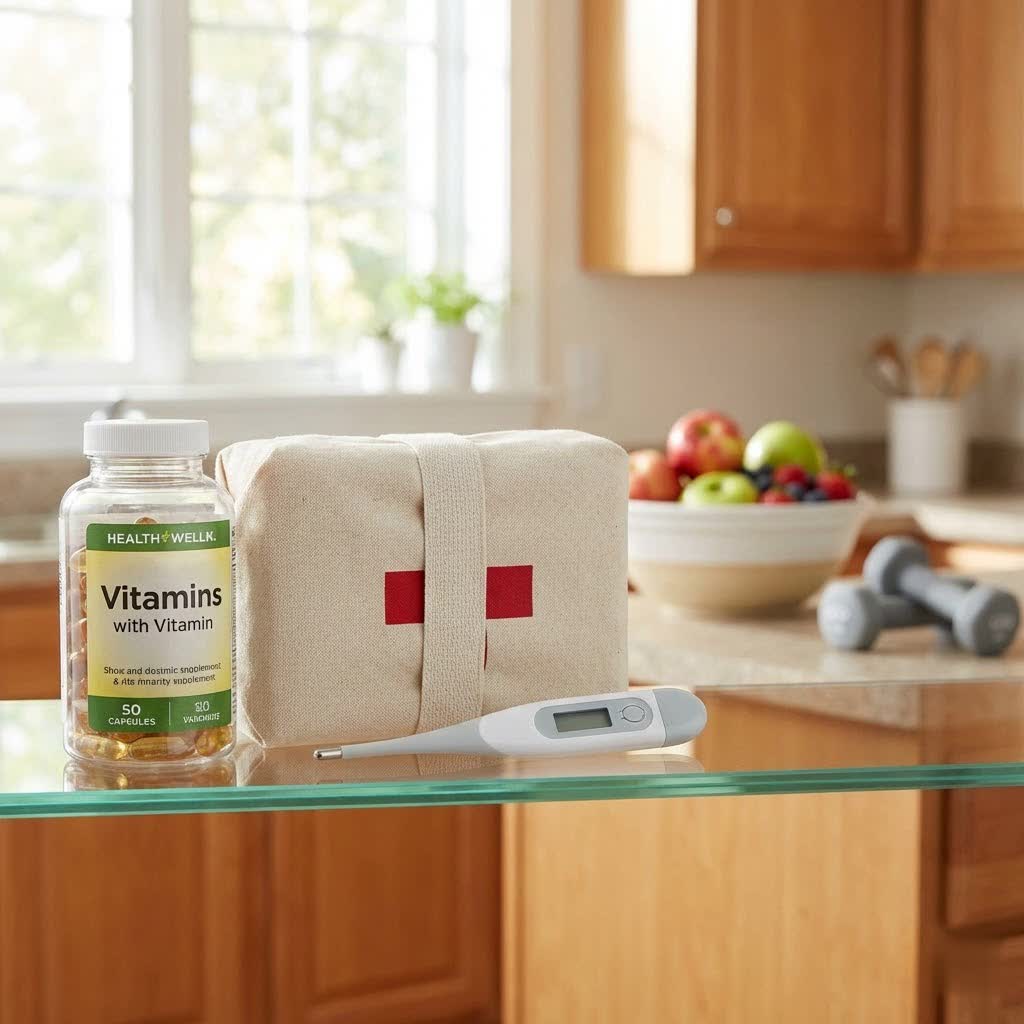
In today’s world, safeguarding our health and well-being has never been more critical. Whether you’re a healthcare professional, a first responder, or simply a concerned individual preparing for unforeseen emergencies, understanding the intricacies of a medical Personal Protective Equipment (PPE) kit is paramount. These vital kits serve as a crucial barrier, offering protection against a myriad of hazards, from infectious diseases to chemical exposures. This comprehensive guide will equip you with the knowledge to select, use, and maintain the most suitable medical PPE kit for your specific needs, ensuring you and your loved ones are ready for any situation.
What is a Medical PPE Kit and Why Do You Need One?
A Medical PPE Kit is a collection of specialized protective gear designed to shield individuals from various hazards that could lead to injury, illness, or infection. PPE, or Personal Protective Equipment, acts as a physical barrier between you and potential contaminants, significantly reducing the risk of exposure to harmful substances or infectious agents like bacteria, viruses, and bodily fluids. Its primary purpose is to minimize exposure to workplace hazards that administrative and engineering controls cannot fully eliminate.
The importance of a medical PPE kit cannot be overstated, especially in contexts where health risks are prevalent. Healthcare settings, in particular, rely heavily on these kits to protect professionals during patient examinations, surgical procedures, and in isolation wards or intensive care units. Beyond hospitals, PPE is essential in emergency response, laboratory work, and even for individuals preparing for public health crises or specific travel scenarios. Statistics highlight the necessity: accidents and exposures can occur unexpectedly, and a well-equipped PPE kit is your ultimate line of defense.
Types of Medical PPE Kits
Medical PPE kits are not one-size-fits-all; they are tailored to different environments and risk levels. Understanding the various types helps you choose the most appropriate protection.
General Medical PPE Kit
This is a versatile kit suitable for a broad range of healthcare and first-aid situations.
- Components: Typically includes surgical masks, disposable gloves, a basic gown or apron, and eye protection like safety glasses or goggles.
- Advantages: Offers fundamental protection against splashes, droplets, and direct contact with non-aerosolized infectious materials. It’s often compact and cost-effective.
- Disadvantages: May not provide adequate respiratory protection against airborne pathogens or full body coverage for high-risk procedures.
Advanced Medical PPE Kit (for High-Risk Environments)
Designed for situations involving airborne pathogens, extensive fluid exposure, or chemical hazards.
- Components: Features N95 respirators (or higher filtration masks like P100), fluid-resistant or impermeable coveralls, double-layer gloves (sometimes with extended cuffs), face shields, head covers, and shoe covers.
- Advantages: Provides superior protection against aerosolized particles, substantial fluid penetration, and more extensive body coverage.
- Disadvantages: Can be more expensive, less breathable, and may require specific training for proper donning and doffing.
Specialized Medical PPE Kits
|
Our Picks for the Best Medical Kit in 2026
As an Amazon Associate I earn from qualifying purchases.
|
||
| Num | Product | Action |
|---|---|---|
| 1 | Large First Aid Kit for Car, Travel & Home - Emergency Kit for Hiking, Camping, Backpacking and Outdoors - Includes Zip Stitch Wound Closure Strips |

|
| 2 | Car First Aid Kits 275Pcs Survival Gear Home Travel Size Small Emergency Kit Tactical Hiking EVA Camping Essentials Backpack Sports Office Boat Urgent Accident |
|
| 3 | Sundaymot Doctor Kit for Kids, 34 Pcs Pretend Playset for Toddlers, Doctor kit for Toddlers 3-5, with Medical Bag, Stethoscope and Other Accessories, for Boys and Girls Fun Role Playing Game |
|
| 4 | Large Pro First Aid Kit for Car, Travel & Home - Emergency Kit for Hiking, Camping, Backpacking and Outdoors - Includes Zip Stitch Wound Closure Strips |
|
| 5 | Survival Kit, 262Pcs Survival Gear and Supplies with First Aid Kit Pouch and Crossbody Bag, Emergency Kit with Tent, Camping Axe Hammer, Survival Shovel w/Pick, Bug Out Bag Gifts for Men Women |
|
| 6 | 330 Piece First Aid Kit, Premium Waterproof Compact Trauma Medical Kits for Any Emergencies, Ideal for Home, Car, Travel, Camping, Hiking, Truck, Office, Sports (Medium) |
|
| 7 | Zonon Naloxone Overdose Emergency Kit Cabinet with Handle 7.5" L x 3.5" W x 9" H Magnetic Closing First Aid Cabinet Wall Mount Metal Medical Box for Public Space Storage Solution, White |
|
| 8 | Be Smart Get Prepared First Aid Kit Hard Red Case 326 Pieces Exceeds OSHA and ANSI Guidelines 100 People - Office, Home, Car, School, Emergency, Survival, Camping, Hunting and Sports (20HBC01015REV3) |
|
| 9 | Adventure Medical Kit Ultralight/Watertight Medical Kit .5 - Up to 2 People, Up to 2 Days - Includes Bandages, Blister Essentials & More - Perfect for Hiking, Biking & Climbing |
|
| 10 | Mini First Aid Kit - 150 Piece Small Waterproof Hard Shell Medical Kit for Home, Car, Travel, Camping, Truck, Hiking, Sports, Office, Vehicle & Outdoor Emergencies- Small First Aid Medical Kit (Red) |
|
These kits cater to very specific occupational or situational needs.
- Medical Kit for Emergency Responders: Often includes rugged, durable components, and may incorporate tools for trauma care alongside infection control items. They might feature higher-level respirators and heavy-duty gloves.
- Laboratory Medical Kit: Focuses on protection against chemical splashes, biological agents, and sharps. Components may include chemical-resistant gloves, lab coats, and specialized eye protection (e.g., chemical splash goggles).
- Personal Use/Travel Medical Kit: A lighter version, ideal for individuals during travel or for general household preparedness. It usually contains basic masks, gloves, and hand sanitizer, focusing on everyday infection prevention.
Each type of kit is assembled with specific threats in mind, ensuring that the user has the appropriate level of defense for their environment.
Essential Components of a Medical PPE Kit
A robust medical PPE kit is comprised of several key items, each serving a critical role in providing comprehensive protection.
- Masks and Respirators:
- Surgical Masks: Designed to protect the wearer from large droplets, splashes, and sprays. They also prevent the wearer from expelling respiratory droplets into the environment. They are typically loose-fitting.
- N95 Respirators: Filter at least 95% of airborne particles and are designed for a tight seal to the face. They offer superior respiratory protection against smaller airborne particles, including those carrying infectious agents. Proper fit-testing is crucial for their effectiveness.
- Eye Protection:
- Goggles: Protect the eyes from splashes, sprays, and impact. They form a seal around the eyes.
- Face Shields: Provide full facial protection, covering the eyes, nose, and mouth from splashes and sprays. They are often worn over masks and goggles for enhanced protection.
- Gloves: Essential for hand protection when directly handling potentially infectious materials or contaminated surfaces.
- Disposable Gloves: Common types include latex, nitrile, or vinyl. Nitrile gloves are often preferred for their chemical resistance and lower allergy risk. They should be discarded after a single use to prevent cross-contamination.
- Gowns and Coveralls:
- Gowns: Protect the wearer’s clothing and exposed skin from contamination. They come in various levels of fluid resistance.
- Coveralls: Provide full-body protection, often used in high-risk environments where extensive contamination is possible. They are typically fluid-resistant or impermeable.
- Head and Shoe Covers:
- Head Covers: Prevent contamination of the hair and scalp.
- Shoe Covers: Act as a barrier against possible exposure to contaminants on the floor, especially in sterile or high-risk areas.
- Other Vital Supplies: Beyond the primary protective items, a well-rounded kit often includes hand sanitizer, disinfectant wipes, biohazard disposal bags, and sometimes basic first-aid items for minor injuries.
Comparison of Medical PPE Kit Components
| Component Category | General Medical Kit (e.g., Home/Clinic) | Advanced Medical Kit (e.g., ICU/Isolation) | Key Purpose | Considerations |
|---|---|---|---|---|
| Respiratory | Surgical Masks | N95 Respirators (or higher) | Filter airborne particles, prevent droplet spread | Fit-testing essential for N95; comfort vs. filtration efficiency |
| Eye & Face | Safety Glasses / Basic Goggles | Full Face Shield over Goggles | Protect eyes/face from splashes, aerosols | Anti-fog features, prescription glasses compatibility |
| Hand | Disposable Nitrile/Latex Gloves | Heavy-Duty Nitrile/Chemical-Resistant Gloves | Barrier against contact with contaminants | Allergy concerns (latex), dexterity, puncture resistance |
| Body | Disposable Gown / Apron | Fluid-Resistant Coverall / Impermeable Gown | Protect clothing/skin from splashes, larger droplets | Breathability, full-body coverage, ease of donning/doffing |
| Head | (Optional) Hair Net | Disposable Head Cover | Prevent hair contamination | Secure fit |
| Foot | (Optional) Basic Shoe Covers | Fluid-Resistant Shoe Covers | Protect footwear, prevent floor contamination | Slip resistance, durability |
How to Choose a Medical PPE Kit (Buying Guide)
Selecting the right medical PPE kit requires careful consideration to ensure optimal protection and suitability for your intended use.
-
Identify Your Specific Needs and Risks:
- Personal Use: For everyday situations, travel, or basic home emergencies, a kit with surgical masks, gloves, and hand sanitizer might suffice.
- Family Preparedness: A more extensive kit for the home should include items for various age groups and potential scenarios, such as basic first aid alongside infection control.
- Professional Use (Healthcare/Emergency): Requires higher-grade equipment like N95 respirators, fluid-resistant gowns, and specialized gloves to meet strict regulatory standards and handle specific biological or chemical hazards. Evaluate the types of exposures (e.g., aerosols, bloodborne pathogens, chemical splashes) you anticipate.
-
Examine the Components and Quality:
- Completeness: Ensure the kit contains all necessary items for comprehensive protection, as outlined above. Avoid kits that skimp on essential pieces.
- Material Quality: Look for durable, fluid-resistant, and breathable materials, especially for gowns and masks. High-quality materials offer better protection and comfort.
- Certifications: For medical-grade PPE, check for relevant certifications such as FDA approval in the US, CE marking in Europe, or ISO standards, which indicate that products meet specific safety and performance benchmarks.
-
Consider Fit and Comfort:
- PPE must fit properly to be effective. Ill-fitting masks can compromise respiratory protection, and uncomfortable gear can lead to improper use or early removal.
- Ensure various sizes are available if purchasing for multiple individuals. For respirators, fit-testing is crucial to confirm a tight seal.
-
Evaluate Reusability vs. Disposability:
- Disposable PPE: Convenient for single-use scenarios, reducing the risk of cross-contamination. Commonly found in most medical kits.
- Reusable PPE: Can be more economical in the long run but requires proper cleaning, disinfection, and maintenance protocols to ensure continued efficacy.
-
Read User Reviews and Compare Prices:
- Look for feedback on product quality, comfort, and reliability from other users, especially those with similar needs.
- While cost is a factor, prioritize quality and effectiveness over the cheapest option, as compromised protection can have severe consequences.
Reputable Medical PPE Kit Brands
Choosing products from established and trusted brands ensures higher quality and adherence to safety standards. Some of the most recognized PPE manufacturers known for their quality include:
- 3M: A global leader, particularly renowned for its respiratory protection products like N95 respirators, which are considered a gold standard in healthcare.
- Honeywell: Offers a wide range of integrated safety solutions, including respiratory, head, eye, and face protection, commonly used across various hazardous environments.
- DuPont: Known for its innovative materials like Tyvek®, used in protective coveralls and gowns that offer excellent barriers against chemicals and biological agents.
- Ansell: Specializes in hand protection, producing a vast array of high-quality medical and industrial gloves designed for various levels of protection and dexterity.
- Kimberly-Clark Professional: Provides extensive disposable protection solutions, including gloves, face masks, and protective clothing, particularly for healthcare and cleanroom applications.
- MSA Safety: A leader in industrial safety equipment, also produces high-quality respiratory protection, helmets, and other gear applicable in some medical contexts.
These brands are recognized for their commitment to research, development, and stringent quality control, making them reliable choices for medical PPE.
How to Use Your Medical PPE Kit Effectively
The effectiveness of a medical PPE kit hinges on its correct use, specifically the procedures for putting it on (donning) and taking it off (doffing).
Donning (Putting On) PPE
Always perform hand hygiene before donning any PPE. The general order for donning is:
- Gown/Coverall: Put on the gown first, ensuring it covers your torso from neck to knees, arms to the end of your wrists, and wraps around the back. Fasten ties securely.
- Mask/Respirator: Place the mask or respirator over your nose and mouth. If it’s an N95, ensure a tight seal by pinching the metal strip over your nose and performing a seal check according to manufacturer instructions.
- Eye Protection: Wear goggles or a face shield, ensuring they fit snugly over your eyes and, if applicable, over your prescription glasses. A face shield should cover the entire face for maximum protection.
- Gloves: Put on gloves last, making sure they extend over the cuffs of the gown to create a seamless barrier.
Doffing (Taking Off) PPE
Proper doffing is critical to prevent self-contamination. The general order for doffing, with hand hygiene between steps if possible, is:
- Gloves: Carefully remove gloves first, peeling them away from your body, turning them inside out, and disposing of them in a designated waste bin. Perform hand hygiene.
- Gown/Coverall: Untie the gown, pulling it away from your body by the shoulders and rolling it inward, turning the contaminated outer surface to the inside. Dispose of it properly. Perform hand hygiene.
- Eye Protection: Remove eye protection (goggles or face shield) by handling the earpieces or head strap. Avoid touching the front surface. Dispose or place in a designated container for cleaning. Perform hand hygiene.
- Mask/Respirator: Remove the mask or respirator by the straps, avoiding touching the front. Dispose of it. Perform final hand hygiene.
Always refer to specific manufacturer instructions and institutional protocols, as slight variations may exist based on the type of PPE and the risk of exposure.
Proper Storage and Maintenance of Your Medical PPE Kit
Maintaining your medical PPE kit ensures its longevity and effectiveness when you need it most.
-
Storage Conditions:
- Store PPE in a clean, dry, and well-ventilated area, away from direct sunlight, extreme temperatures, and high humidity. These conditions can degrade materials like rubber, plastic, and fabrics over time.
- Keep different types of PPE separate to avoid cross-contamination. For example, respiratory masks should not be stored with used gloves or boots.
- Consider using dedicated PPE cabinets or wall-mounted dispensers in healthcare settings for organized and accessible storage. For personal kits, airtight plastic bags within a sturdy container work well.
-
Regular Inspections:
- Inspect all PPE items before each use for signs of wear, tear, damage, or contamination.
- Check expiration dates on disposable items like masks, gloves, and wipes. Replace expired items promptly.
- Ensure reusable items are cleaned and disinfected according to manufacturer guidelines after each use.
-
Replacement Schedules:
- Damaged, torn, or expired PPE must be replaced immediately. Compromised equipment offers no reliable protection.
- Establish a system for tracking the lifecycle of PPE, including regular inspections and replacement schedules based on usage intensity and manufacturer recommendations.
By adhering to these storage and maintenance practices, you can ensure that your medical PPE kit remains in optimal condition, ready to provide reliable protection whenever an emergency arises.
“A well-maintained PPE kit isn’t just a collection of items; it’s a testament to preparedness and a commitment to safety. The difference between adequate protection and exposure often lies in the details of care and readiness.” – Dr. Alistair Finch, Public Health Specialist
Conclusion
A comprehensive understanding of the medical PPE kit is indispensable for navigating today’s health challenges. From protecting frontline healthcare workers to empowering individuals in their daily lives, these kits are fundamental tools for safeguarding health. By recognizing the diverse types of PPE, understanding their essential components, making informed purchasing decisions, mastering correct usage, and implementing diligent storage and maintenance, you can significantly enhance your safety and preparedness. Prioritizing a robust medical PPE kit means investing in a proactive approach to health and resilience for yourself and your community.
What steps will you take today to ensure your medical PPE kit is truly ready for any situation?
Frequently Asked Questions
What does “medical grade” PPE mean?
“Medical grade” PPE refers to personal protective equipment that meets specific regulatory standards and certifications (such as FDA approval, CE marking, or ISO standards) for use in healthcare settings. These products are rigorously tested to ensure they provide a defined level of protection against biological hazards, fluids, and particles.
Can I reuse disposable PPE items?
Generally, disposable PPE items like surgical masks, gloves, and many gowns are designed for single use and should be discarded after each encounter or once contaminated. Reusing them can compromise their protective barrier and increase the risk of cross-contamination. Always follow manufacturer guidelines and official health recommendations regarding reuse.
How often should I replace my home medical PPE kit?
The lifespan of a home medical PPE kit depends on the expiration dates of its components, which typically range from 2 to 5 years for sealed items like masks and gloves. Regularly inspect your kit at least annually, replace any expired or damaged items, and refresh components that might have degraded over time due to storage conditions.
What’s the difference between an N95 respirator and a surgical mask?
An N95 respirator is designed to filter out at least 95% of very small airborne particles and creates a tight seal around the wearer’s face, offering superior respiratory protection against airborne pathogens. A surgical mask is a looser-fitting barrier that protects against larger droplets, splashes, and sprays but does not provide the same level of respiratory filtration as an N95.
Are there eco-friendly options for medical PPE?
While disposable PPE is prevalent, there is a growing interest in sustainable alternatives. Some manufacturers are developing reusable gowns, face shields, and even respirators that can be sterilized and reprocessed. Additionally, efforts are being made to create biodegradable materials for single-use PPE. When considering eco-friendly options, ensure they meet equivalent safety and protection standards.
Get our weekly buyer guide
Practical specs, not advice. Unsubscribe anytime.
