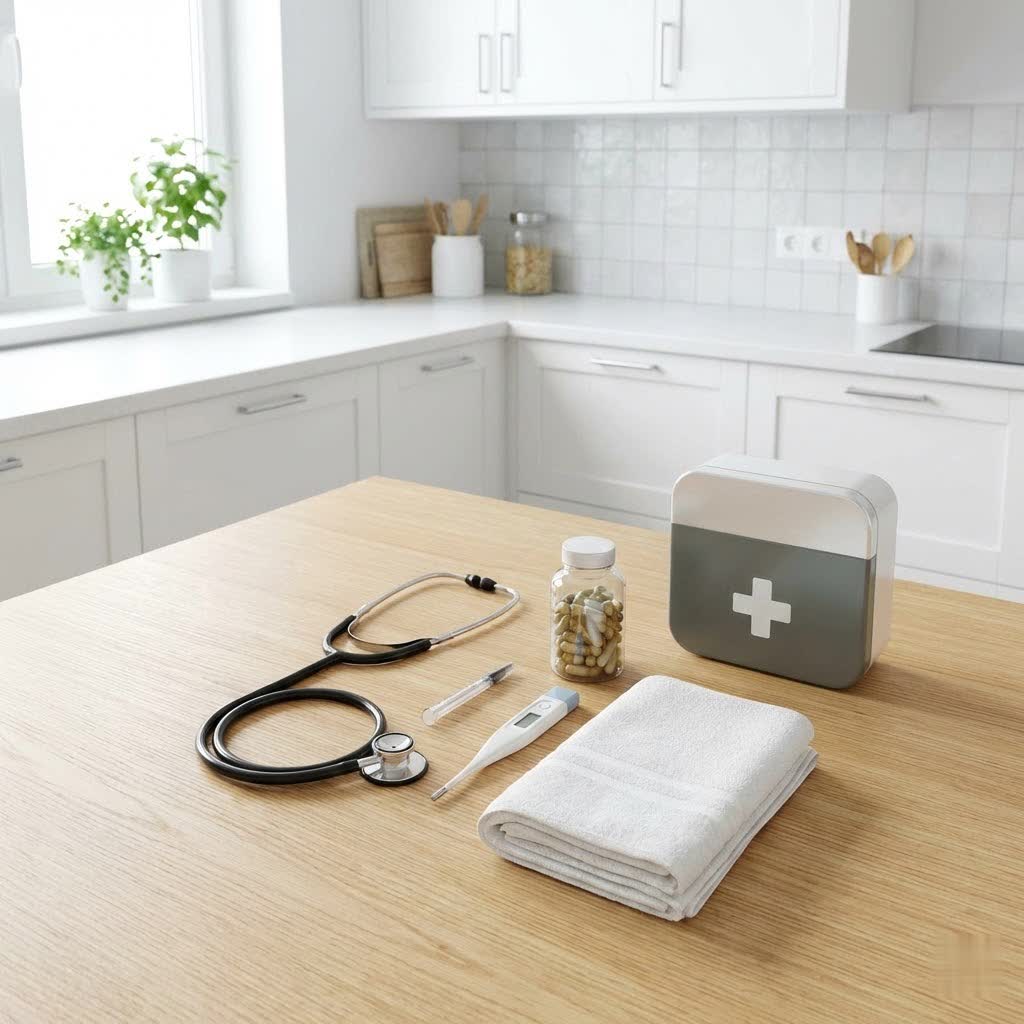
In a world where unexpected cuts and lacerations can happen anytime, anywhere, having the right tools for immediate wound care isn’t just a convenience—it’s a necessity. Whether you’re a seasoned outdoor adventurer, a diligent parent, or a medical student honing vital skills, a medical stitch kit, often referred to as a suture kit, provides the means to effectively manage wounds, promote healing, and prevent complications. This comprehensive guide will navigate you through the diverse world of these kits, helping you understand their components, types, and how to choose the perfect one to ensure you’re always ready for life’s unforeseen moments.
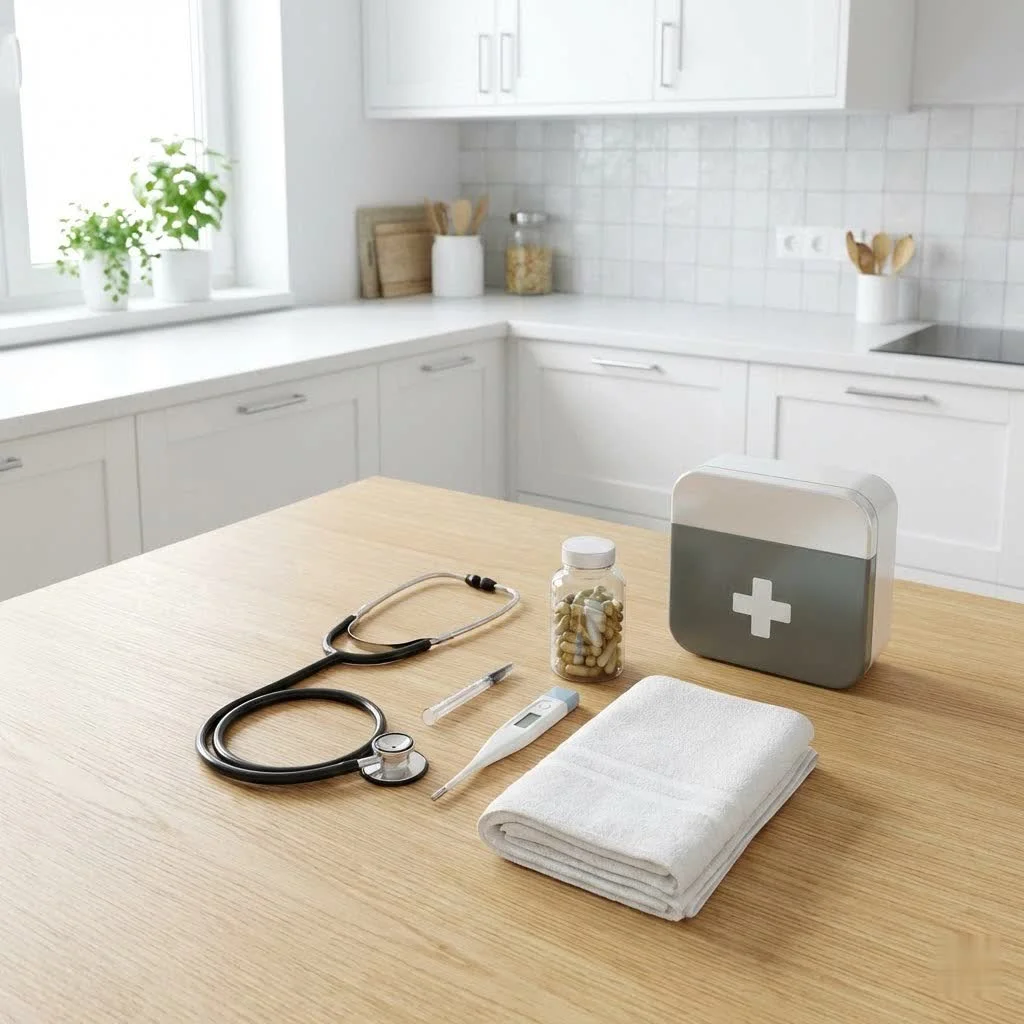
What is a Medical Stitch Kit and Why Do You Need One?
A medical stitch kit is a specialized collection of sterile instruments and materials designed for closing wounds by stitching, a process known as suturing. This fundamental medical technique brings the edges of a wound together, facilitating natural healing, minimizing scarring, and crucially, reducing the risk of infection by keeping contaminants out. From minor cuts sustained during everyday activities to more significant lacerations encountered in remote settings, a readily available stitch kit can make a profound difference in the immediate aftermath of an injury.
The importance of owning such a kit extends beyond professional medical environments. Accidents are an unavoidable part of life, and in situations where immediate professional medical attention isn’t available—like during a hiking trip, camping expedition, or even a power outage—a stitch kit empowers individuals with basic knowledge to provide critical first aid. It can stabilize a wound until expert care is accessible, potentially preventing severe blood loss, extensive infection, and prolonged recovery times.
Types of Medical Stitch Kits
Medical stitch kits come in various configurations, each tailored to specific needs and user proficiencies. Understanding these categories is key to selecting the most appropriate kit for your circumstances.
Home and Family Stitch Kits
These kits are typically designed for general household preparedness, offering basic sterile supplies for minor wound closure. They are usually compact and focus on ease of use for individuals with limited medical training. Components might include basic sutures, needles, antiseptic wipes, and simple dressing materials. While not for complex injuries, they serve as a valuable addition to any home first aid cabinet for immediate, superficial wound management.
Travel and Emergency Stitch Kits
Built for durability and portability, these kits are essential for outdoor enthusiasts, travelers, and those in remote locations. They often feature a more robust selection of sterile instruments, including various suture types, needle holders, forceps, and a scalpel. Emphasis is placed on maintaining sterility in challenging environments and providing a wider range of tools to manage more diverse injury scenarios that might occur far from medical facilities.
Practice Stitch Kits
|
Our Picks for the Best Medical Kit in 2026
As an Amazon Associate I earn from qualifying purchases.
|
||
| Num | Product | Action |
|---|---|---|
| 1 | Zonon Naloxone Overdose Emergency Kit Cabinet with Handle 7.5" L x 3.5" W x 9" H Magnetic Closing First Aid Cabinet Wall Mount Metal Medical Box for Public Space Storage Solution, White |

|
| 2 | Large First Aid Kit for Car, Travel & Home - Emergency Kit for Hiking, Camping, Backpacking and Outdoors - Includes Zip Stitch Wound Closure Strips |
|
| 3 | Survival Kit, 262Pcs Survival Gear and Supplies with First Aid Kit Pouch and Crossbody Bag, Emergency Kit with Tent, Camping Axe Hammer, Survival Shovel w/Pick, Bug Out Bag Gifts for Men Women |
|
| 4 | Car First Aid Kits 275Pcs Survival Gear Home Travel Size Small Emergency Kit Tactical Hiking EVA Camping Essentials Backpack Sports Office Boat Urgent Accident |
|
| 5 | Adventure Medical Kit Ultralight/Watertight Medical Kit .5 - Up to 2 People, Up to 2 Days - Includes Bandages, Blister Essentials & More - Perfect for Hiking, Biking & Climbing |
|
| 6 | Sundaymot Doctor Kit for Kids, 34 Pcs Pretend Playset for Toddlers, Doctor kit for Toddlers 3-5, with Medical Bag, Stethoscope and Other Accessories, for Boys and Girls Fun Role Playing Game |
|
| 7 | 330 Piece First Aid Kit, Premium Waterproof Compact Trauma Medical Kits for Any Emergencies, Ideal for Home, Car, Travel, Camping, Hiking, Truck, Office, Sports (Medium) |
|
| 8 | Mini First Aid Kit - 150 Piece Small Waterproof Hard Shell Medical Kit for Home, Car, Travel, Camping, Truck, Hiking, Sports, Office, Vehicle & Outdoor Emergencies- Small First Aid Medical Kit (Red) |
|
| 9 | Large Pro First Aid Kit for Car, Travel & Home - Emergency Kit for Hiking, Camping, Backpacking and Outdoors - Includes Zip Stitch Wound Closure Strips |
|
| 10 | Be Smart Get Prepared First Aid Kit Hard Red Case 326 Pieces Exceeds OSHA and ANSI Guidelines 100 People - Office, Home, Car, School, Emergency, Survival, Camping, Hunting and Sports (20HBC01015REV3) |
|
Specifically designed for medical students, nurses, and healthcare professionals in training, practice kits are crucial for developing and refining suturing skills. These kits typically include a reusable silicone suture pad that mimics human skin with multiple layers and various pre-cut wounds. They come with a full set of medical-grade instruments—such as needle holders, forceps, and scissors—along with an assortment of practice sutures, allowing for countless hours of realistic training without risk to patients.
Professional and Surgical Stitch Kits
These are comprehensive kits intended for trained medical professionals performing actual surgical procedures or complex wound closures. They contain a broader array of specialized, high-quality, sterile instruments, various types and sizes of absorbable and non-absorbable sutures, and often additional supplies like surgical drapes, hemostats, and advanced wound dressings. These kits are curated for clinical precision and the demands of diverse surgical scenarios.
Essential Components of a Medical Stitch Kit
Regardless of its type, a well-equipped medical stitch kit shares several core components vital for effective wound closure.
- Sutures: These are the “threads” used for stitching. They come in various materials and gauges.
- Absorbable Sutures: Designed to break down naturally in the body over time, eliminating the need for removal. Common types include Polyglycolic Acid (PGA) and Chromic Gut, often used for internal tissues.
- Non-Absorbable Sutures: These remain intact and require manual removal after the wound has healed. Materials like Nylon, Polypropylene, and Silk are frequently used for external skin closures where long-term strength is desired.
- Needles: Suturing needles vary in shape, size, and point type to suit different tissues.
- Cutting Needles: Feature a sharp, triangular point, ideal for tougher tissues like skin.
- Tapered Needles: Rounded at the end, designed for softer tissues such as muscles or intestines, penetrating without cutting.
- Blunt Needles: Used in delicate procedures to minimize tissue damage, particularly in friable organs.
- Needle Holders: These instruments securely grasp and manipulate the suturing needle. Common examples include Mayo-Hegar and Olsen-Hegar needle holders, which provide a firm grip and control during stitching.
- Forceps: Used for grasping and manipulating tissues, forceps are essential for precise wound edge alignment. Adson forceps, with their fine tips, are particularly popular for delicate tissue handling.
- Scissors: Stitch kits typically include surgical scissors for cutting sutures and, if needed, trimming excess tissue. Iris scissors are often favored for their fine, sharp blades.
- Scalpel Handle and Blades: A scalpel is used for making clean incisions or, in professional settings, for debridement of damaged tissue. Kit blades are disposable and come in various shapes (e.g., #10, #11) to fit a universal handle.
- Antiseptics: Essential for cleaning the wound area to prevent infection. Common antiseptics include povidone-iodine pads and alcohol prep pads.
- Gauze and Dressings: Sterile gauze sponges and rolls are used to clean wounds, absorb fluids, and apply pressure. Adhesive bandages or medical tape are often included for securing dressings.
- Hemostats: These scissor-like instruments with blunt, locking jaws are used to clamp blood vessels, effectively controlling bleeding during wound management.
- Gloves: Sterile examination gloves are crucial for maintaining a clean field and protecting both the caregiver and the injured individual from cross-contamination.
- Suture Practice Pad (for training kits): A silicone pad designed to simulate the texture and layers of human skin, offering a realistic surface for repeated practice of suturing techniques.
- Sterile Drape: Used to create a sterile field around the wound, minimizing contamination during the procedure.
- Storage Case: A durable, organized case is vital for keeping all components sterile, protected, and easily accessible.
Comparing Medical Stitch Kits
Choosing the right stitch kit involves weighing various factors. Here’s a comparison of typical kits across common criteria:
| Feature/Kit Type | Home/Family Kit | Travel/Emergency Kit | Practice Kit | Professional/Surgical Kit |
|---|---|---|---|---|
| Purpose | Minor wound closure, basic first aid | Emergency wound closure in remote settings | Skill development, training | Surgical procedures, complex wound management |
| Key Components | Basic sutures, needles, antiseptic, bandages | Sterile instruments, various sutures, antiseptics, gauze, gloves | Suture pad, practice sutures, instruments (non-sterile) | Full range of sterile surgical instruments, absorbable/non-absorbable sutures, drapes |
| Portability | High (small, lightweight) | Very High (compact, rugged case) | Medium (pad can be bulky) | Low (designed for clinical setting, larger) |
| Target User | General public, basic first aid knowledge | Prepared individuals, outdoor enthusiasts, first responders | Medical students, nurses, aspiring surgeons | Licensed medical professionals, surgeons |
| Sterility | Individual components often sterile | Most components sterile, often individually packed | Not intended for sterile use (practice only) | All components sterile, single-use where applicable |
| Cost Range | Low to Moderate | Moderate to High | Moderate to High | High |
How to Choose the Right Medical Stitch Kit (Buying Guide)
Selecting a stitch kit requires careful consideration of your specific needs and expected use.
-
Assess Your Needs:
- Personal Use/Family Preparedness: For household accidents, a basic kit with sterile sutures, needles, and antiseptics may suffice.
- Travel/Outdoor Adventures: Opt for a robust, portable kit with a wider range of instruments and sterile components to handle more significant injuries away from urban centers.
- Medical Training: A dedicated practice kit with a high-quality suture pad and durable instruments is essential for hands-on learning.
- Professional Use: For clinical settings, prioritize professional-grade, sterile kits from reputable suppliers with the exact instruments and suture types required for your practice.
-
Review Component Quality and Quantity:
- Sterility: For actual wound closure, ensure all instruments and sutures are sterile and individually packaged. Check expiry dates for sutures and antiseptics.
- Instrument Quality: Look for medical-grade stainless steel instruments that are durable and easy to handle. For practice kits, ensure the suture pad offers realistic texture and tear resistance.
- Suture Variety: A good kit will offer different suture types (e.g., nylon, silk) and sizes (gauges) to handle various wound depths and locations.
- Completeness: Does the kit include all the necessary tools—needle holders, forceps, scissors, scalpel, antiseptics, and dressings?
-
Consider Quality and Brand Reputation:
- Purchase from reputable manufacturers and suppliers known for producing medical-grade equipment. Read product descriptions carefully to ensure materials meet safety and quality standards. Trustworthy brands will clearly list contents and sterilization methods.
-
Compare Price vs. Value:
- While cost is a factor, prioritize quality and completeness over the cheapest option, especially for kits intended for actual wound care. A higher-priced kit often means better instrument quality, a wider range of supplies, and superior sterility. For practice kits, durability and realistic simulation are key to long-term value.
-
Read User Reviews and Expert Recommendations:
- Insights from other users and medical professionals can provide valuable information about a kit’s practical effectiveness, durability, and ease of use. Pay attention to feedback regarding instrument quality, suture pad realism (for practice kits), and overall satisfaction.
Reputable Medical Stitch Kit Brands
Several brands specialize in providing high-quality medical stitch kits, catering to both professional and training needs. When researching, look for companies that adhere to medical device standards and have positive reviews from healthcare professionals and students. Brands often highlight their commitment to sterile components, durable instruments, and realistic suture practice materials. Some also provide educational resources, like instructional guides or online tutorials, to complement their kits.
Effective Use of Your Medical Stitch Kit
Using a medical stitch kit effectively, particularly for actual wound closure, requires a foundational understanding of wound care principles. Always remember that suturing should ideally be performed by a trained professional. However, in an emergency where professional help is delayed, a well-prepared individual can make a critical difference.
- Preparation: Always begin by ensuring a clean, well-lit workspace. Sanitize your hands thoroughly, preferably with an antiseptic scrub, and wear sterile gloves. Arrange all your kit components in an organized manner on a sterile surface (like a surgical drape if included).
- Wound Assessment and Cleaning: Gently clean the wound with an antiseptic solution and sterile gauze. Remove any visible debris from the wound. Assess the depth, length, and severity of the wound to determine if it can be managed with the kit or if it requires immediate professional medical intervention (e.g., very deep wounds, arterial bleeding, wounds with embedded foreign objects).
- Suturing Principles: The goal is to bring the wound edges together gently and evenly, without excessive tension. Use the needle holder to grasp the needle, and forceps to stabilize the tissue. Perform stitches according to learned techniques, ensuring proper depth and spacing.
- Dressing the Wound: After suturing, clean the area again, apply an antiseptic ointment (if available and appropriate), and cover with sterile gauze and medical tape to protect the wound from infection.
- Important Considerations: Maintain a sterile field throughout the process. Never reuse sterile components. If you are unsure about any step or if the wound is severe, prioritize seeking professional medical help as quickly as possible. This kit is a temporary solution for emergencies, not a substitute for professional care.
Proper Storage and Maintenance of Medical Stitch Kits
Proper storage and regular maintenance are crucial for ensuring your medical stitch kit remains effective and safe to use when needed.
- Ideal Storage Conditions: Store your kit in a cool, dry, and clean environment, away from direct sunlight and extreme temperatures. Humidity can compromise sterile packaging and rust instruments.
- Regular Checks: Periodically inspect your kit (at least annually).
- Expiry Dates: Check the expiry dates on all sterile items, especially sutures and antiseptic solutions. Replace expired components immediately.
- Packaging Integrity: Ensure that all sterile packaging is intact and undamaged. If a package is torn or punctured, the contents are no longer sterile and should be replaced.
- Instrument Condition: Verify that all instruments are clean, functional, and free from rust or damage.
- Organization and Replenishment: Keep your kit well-organized so you can quickly locate needed items in an emergency. After each use, or during routine checks, replenish any used or expired supplies to ensure the kit is always fully stocked and ready.
Conclusion
A medical stitch kit is an indispensable tool for preparedness, offering the capability to manage wounds effectively in various situations. From providing vital training for aspiring healthcare professionals to serving as a critical emergency resource for individuals and families, understanding its components, types, and proper usage empowers you to act confidently and competently when injuries occur. By choosing the right kit, maintaining it diligently, and knowing its limitations, you ensure readiness, protect health, and promote faster healing. Are you confident your medical stitch kit is prepared for the unexpected?
Frequently Asked Questions
When should I use a medical stitch kit instead of just bandages?
A medical stitch kit is appropriate for closing deeper cuts or lacerations where the wound edges don’t easily come together with just a bandage, or when bleeding needs to be controlled more effectively. It helps prevent infection and promotes healing, but it’s crucial to seek professional medical attention for severe or complex wounds.
Can a non-medical professional use a stitch kit?
While medical stitch kits are primarily designed for trained professionals, basic emergency kits with clear instructions are available for prepared individuals. However, significant training is required to perform suturing correctly and safely to avoid complications like infection or improper healing. Always prioritize professional medical care if available.
Get our weekly buyer guide
Practical specs, not advice. Unsubscribe anytime.
