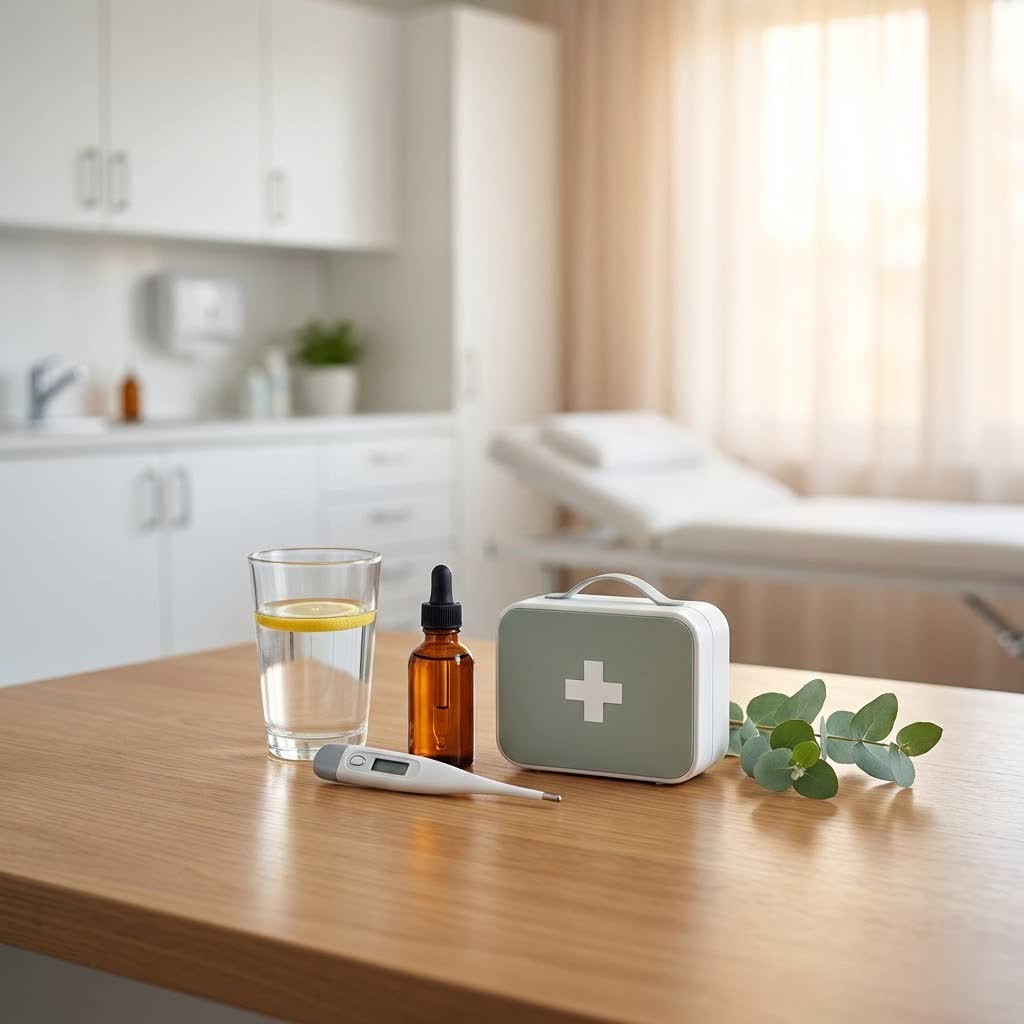
Embarking on a journey, whether a quick weekend getaway or an extended international adventure, promises excitement and new experiences. But what happens when an unexpected scrape, an upset stomach, or a sudden fever threatens to derail your plans? A well-stocked travel medical kit isn’t just a convenience; it’s a vital safeguard, offering peace of mind and immediate care for minor ailments and emergencies far from home. Preparing for the unforeseen is a cornerstone of responsible travel, ensuring you can quickly address health concerns, manage pre-existing conditions, and keep your adventure on track. Let’s delve into everything you need to know to assemble the perfect medical companion for your travels.
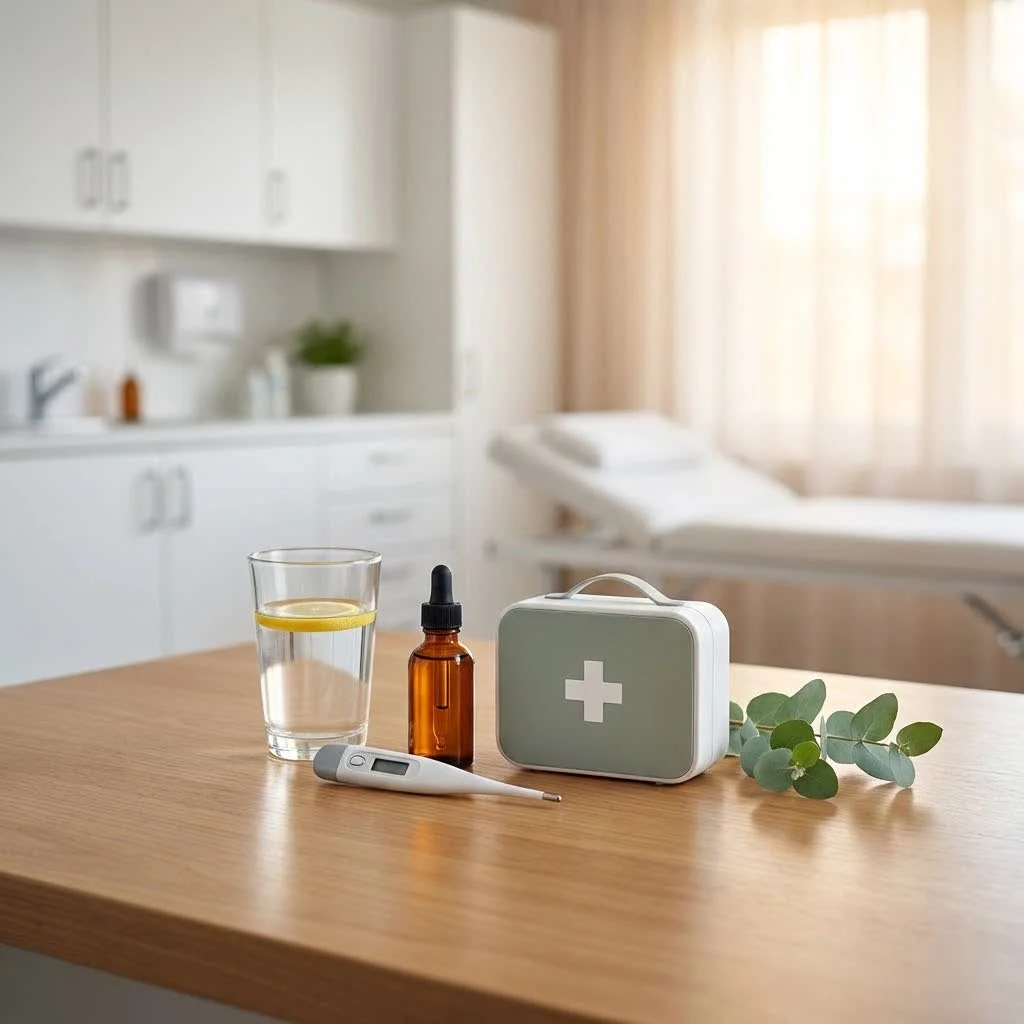
What is a Travel Medical Kit and Why Do You Need One?
A travel medical kit is a portable collection of essential first-aid supplies, over-the-counter medications, and personal prescriptions designed to handle common health issues that can arise while away from home. Its primary purpose is to provide immediate care for injuries, illnesses, or allergic reactions when medical facilities are inaccessible, expensive, or simply not up to your home country’s standards.
Imagine a minor cut from an adventurous hike, a sudden bout of traveler’s diarrhea after a new cuisine, or a headache from a long flight. These common travel mishaps, while often not life-threatening, can significantly impact your comfort and enjoyment if not addressed promptly. Statistics show that minor accidents and illnesses are frequent occurrences for travelers. A well-prepared kit allows you to treat these issues on the spot, preventing them from escalating into more serious problems or requiring a costly and time-consuming visit to a local clinic. It’s about being self-sufficient and ready for anything.
Common Types of Travel Medical Kits
Travel medical kits come in various forms, tailored to different types of trips, destinations, and traveler needs. Understanding these categories can help you decide which setup is best for your upcoming adventure.
- Individual/Backpacking Kits: These are typically compact and lightweight, designed for solo travelers or those on minimalist trips where space and weight are critical. They focus on essentials like wound care, pain relief, and basic digestive aids. Think small pouches easily tucked into a daypack.
- Family Travel Kits: Larger and more comprehensive, family kits cater to the varied needs of multiple individuals, including children. They will contain a wider range of medications (child-friendly versions), more wound care supplies, and often items for common childhood ailments like fever or minor allergic reactions.
- Adventure Travel Kits: Geared towards more rugged excursions like hiking, camping, or remote expeditions, these kits include additional items for more serious injuries or environmental challenges. This might mean splinting materials, water purification tablets, broad-spectrum antibiotics (with a doctor’s prescription), or even an emergency blanket.
- Specialized Kits: Some travelers require highly customized kits. For instance, those with chronic medical conditions like diabetes or severe allergies will carry specific medications and devices (e.g., insulin, EpiPen), often accompanied by a doctor’s letter. Similarly, kits for high-altitude trekking will include medication for altitude sickness.
Essential Components of a Travel Medical Kit
Building an effective travel medical kit involves more than just throwing a few plasters into a bag. A comprehensive kit addresses various potential health concerns.
- Wound Care:
- Assorted Bandages: Essential for covering cuts, scrapes, and blisters. Include various sizes and shapes.
- Adhesive Tape: Secures dressings and bandages firmly in place.
- Gauze Pads and Rolls: For larger wounds, absorbing fluids, or providing padding.
- Antiseptic Wipes or Solution: To clean wounds thoroughly and prevent infection.
- Antibiotic Ointment: Applied to cleaned wounds to deter bacterial growth.
- Blister Pads/Moleskin: Crucial for hikers to prevent and treat painful blisters.
- Butterfly Bandages/Steri-strips: To help close small cuts securely.
- Elastic Bandage Wraps: For sprains, strains, or providing support to injured joints.
- Medications (Over-the-Counter & Prescription):
- Pain Relievers/Fever Reducers: Acetaminophen (Tylenol) or ibuprofen (Advil) for headaches, muscle aches, or fever.
- Anti-Diarrhea Medication: Such as loperamide, vital for managing traveler’s diarrhea.
- Antacids: For indigestion or heartburn after unfamiliar foods.
- Antihistamines: Oral tablets for allergic reactions (bug bites, pollen) and topical creams (hydrocortisone) for itchy skin.
- Cold and Flu Medication: Decongestants, cough suppressants, or multi-symptom relief.
- Motion Sickness Medication: Tablets or patches for sea, air, or car sickness.
- Personal Prescription Medications: Always pack sufficient quantities for your trip plus extra, carried in original containers with clear labels. A doctor’s note detailing the medications and dosages is highly recommended, especially for international travel.
- Tools:
- Scissors (blunt-tipped): For cutting tape, gauze, or clothing. Remember to pack them in checked luggage if flying, due to airline restrictions.
- Tweezers: For removing splinters, thorns, or ticks.
- Safety Pins: Useful for securing bandages or temporary repairs.
- Digital Thermometer: To accurately check for fever.
- Small Penlight/Headlamp: For examining injuries in low light conditions.
- Personal Protective Equipment (PPE) & Hygiene:
- Hand Sanitizer (alcohol-based): Essential for cleaning hands when soap and water aren’t available.
- Antibacterial Hand Wipes: For quick cleaning of hands or surfaces.
- Disposable Gloves (latex-free): To maintain hygiene when treating wounds.
- Face Masks: Useful in crowded areas or if you or someone else becomes ill.
- Other Important Items:
- Sunscreen: To protect against sunburn, especially in sunny destinations.
- Insect Repellent: Crucial for preventing bug bites and potential insect-borne diseases.
- Lip Balm (with SPF): To prevent chapped lips.
- Eyewash Solution/Saline Drops: For flushing irritants from eyes.
- Small First-Aid Manual: A quick reference guide can be invaluable in an emergency.
- Water Purification Tablets: For trips to areas with questionable water sources.
- Medical Alert Bracelet/Information: If you have a chronic condition.
Comparing Travel Medical Kits
When selecting a travel medical kit, you’ll encounter a range of options, from basic pre-made kits to highly specialized ones. Here’s a general comparison to help you weigh your choices:
| Feature | Basic Pre-made Kit | Comprehensive Pre-made Kit | DIY/Customized Kit |
|---|---|---|---|
| Contents | Essentials for minor cuts, scrapes, pain relief. | Broader range: wound care, medications for common ailments, some tools. | Exactly what you need, including prescriptions, specialized items. |
| Size/Weight | Very compact and lightweight. | Medium to large, depending on the kit’s scope. | Varies greatly; can be optimized for specific needs. |
| Cost | Least expensive. | Moderate. | Can be more expensive initially, but precise. |
| Pros | Convenient, ready-to-go, good for short, low-risk trips. | Good general coverage, often well-organized. | Tailored to specific destinations, activities, and health. |
| Cons | May lack specific items you need, limited for serious issues. | Might contain unnecessary items, still may miss personal needs. | Requires research and effort to assemble, potential for forgetting items. |
| Ideal For | Day trips, city breaks, casual travelers. | Family vacations, moderate outdoor activities, general travel. | Adventure travel, remote areas, travelers with chronic conditions, specific medication needs. |
How to Choose the Right Travel Medical Kit (Buying Guide)
Selecting the ideal medical kit involves a thoughtful assessment of your travel plans and personal health.
- Determine Your Travel Needs:
- Destination: Are you heading to a bustling city, a remote hiking trail, or a tropical beach? Access to pharmacies and medical help varies greatly.
- Duration: A weekend trip requires less than a month-long expedition.
- Activities: Are you engaging in high-adventure sports, or will you be relaxing by the pool?
- Travelers: Are you solo, with family (including children or elderly), or in a group?
- Assess Personal Health Requirements:
- Pre-existing Conditions: Do you have allergies, diabetes, asthma, or other conditions requiring specific medications or supplies?
- Regular Medications: Ensure you pack enough, plus a buffer, in original containers.
- Allergies: Note any drug allergies or severe allergic reactions (e.g., to insect stings).
- Review Kit Contents Thoroughly:
- Compare the contents of pre-made kits against a comprehensive checklist. Does it cover basic wound care, pain relief, and digestive issues?
- Consider adding specialized items based on your destination (e.g., altitude sickness medication for mountainous regions, stronger insect repellent for malaria zones).
- Check Quality and Freshness:
- Opt for reputable brands known for their quality medical supplies.
- Crucially, check expiration dates on all medications and sterile items. Replace anything expired before your trip.
- Consider Size and Weight:
- For backpacking or carry-on only travel, a compact and lightweight kit is paramount.
- For road trips or checked luggage, you have more flexibility.
- Read User Reviews:
- Insights from other travelers can highlight practical aspects, such as ease of use, durability of the kit bag, and overall value.
Top-Rated Travel Medical Kit Brands
Several brands are well-regarded for their comprehensive and reliable travel medical kits, catering to different needs and budgets.
- Adventure Medical Kits: Widely popular for outdoor enthusiasts, offering kits from ultra-light solo packs to extensive wilderness editions. Their “Mountain Series” and “Ultralight/Watertight” lines are highly praised for durability and well-thought-out contents.
- REI Co-op: Offers a range of first aid kits, often featuring their own brand or collaborations with Adventure Medical Kits, focusing on outdoor and travel needs.
- Rothco: Known for more robust, military-style kits, which can be a good base for a highly customized, durable option.
- MyMedic: Provides specialized, high-quality kits for various scenarios, from everyday carry to extended emergencies, though they can be pricier.
- Coghlan’s: Offers more budget-friendly, basic first aid kits suitable for general travel and minor incidents.
When choosing a brand, always consider the specific kit’s contents and how well they align with your anticipated travel risks and personal health profile.
How to Effectively Use Your Travel Medical Kit
Having a medical kit is only half the battle; knowing how to use its contents is equally important.
- Basic First Aid Principles: Familiarize yourself with fundamental first aid techniques before you travel. Consider taking a basic first aid or CPR course.
- Wound Care:
- Clean: Use antiseptic wipes or solution to clean the wound thoroughly.
- Treat: Apply antibiotic ointment to prevent infection.
- Cover: Dress the wound with a sterile bandage or gauze, secured with tape.
- Monitor: Watch for signs of infection (redness, swelling, pus, increased pain).
- Medication Administration:
- Always follow dosage instructions precisely.
- Be aware of potential side effects and drug interactions.
- Do not share prescription medications.
- When to Seek Professional Help:
- Your travel medical kit is for minor issues. If an injury is deep, bleeding won’t stop, a burn is severe, a fever is high and persistent, or symptoms worsen rapidly, seek immediate professional medical attention.
- For serious allergic reactions (anaphylaxis), use an EpiPen if prescribed, and call emergency services immediately.
- In remote areas, use communication devices (satellite phone, emergency beacon) if available to call for help.
Proper Storage and Maintenance of Your Travel Medical Kit
To ensure your medical kit is always ready when you need it, proper storage and regular maintenance are crucial.
- Ideal Storage Conditions:
- Keep your kit in a cool, dry place, away from direct sunlight and extreme temperatures. High heat can degrade medications and adhesives.
- Ensure it’s easily accessible but protected from damage (e.g., in a waterproof bag or sturdy container).
- Regular Checks and Replenishments:
- Inspect your kit every 6-12 months, or before every major trip.
- Check expiration dates: Discard and replace any expired medications or sterile items.
- Replenish used supplies: Replace bandages, wipes, and other consumables as soon as they are used.
- Inspect tools: Ensure scissors are sharp, tweezers are clean, and the thermometer is working (check batteries).
- Organization:
- Keep your kit organized so you can quickly find what you need in an emergency. Compartmentalized bags are excellent for this.
- Group similar items together (e.g., all wound care supplies in one section, all medications in another).
- A printed checklist inside the kit can help with inventory and re-stocking.
Conclusion
A thoughtfully assembled and well-maintained travel medical kit is an indispensable companion for any journey, offering a layer of safety and confidence that allows you to truly enjoy your adventures. From addressing minor scrapes to managing unexpected illnesses, being prepared can make all the difference, transforming potential crises into manageable inconveniences. Don’t let unforeseen health issues compromise your travel dreams; instead, empower yourself with the tools and knowledge to handle them effectively. What essential item will you be adding to your travel medical kit for your next big trip?
Frequently Asked Questions
How much prescription medication should I pack for my trip?
|
Our Picks for the Best Medical Kit in 2026
As an Amazon Associate I earn from qualifying purchases.
|
||
| Num | Product | Action |
|---|---|---|
| 1 | Car First Aid Kits 275Pcs Survival Gear Home Travel Size Small Emergency Kit Tactical Hiking EVA Camping Essentials Backpack Sports Office Boat Urgent Accident |

|
| 2 | 330 Piece First Aid Kit, Premium Waterproof Compact Trauma Medical Kits for Any Emergencies, Ideal for Home, Car, Travel, Camping, Hiking, Truck, Office, Sports (Medium) |
|
| 3 | Survival Kit, 262Pcs Survival Gear and Supplies with First Aid Kit Pouch and Crossbody Bag, Emergency Kit with Tent, Camping Axe Hammer, Survival Shovel w/Pick, Bug Out Bag Gifts for Men Women |
|
| 4 | Large First Aid Kit for Car, Travel & Home - Emergency Kit for Hiking, Camping, Backpacking and Outdoors - Includes Zip Stitch Wound Closure Strips |
|
| 5 | Large Pro First Aid Kit for Car, Travel & Home - Emergency Kit for Hiking, Camping, Backpacking and Outdoors - Includes Zip Stitch Wound Closure Strips |
|
| 6 | Be Smart Get Prepared First Aid Kit Hard Red Case 326 Pieces Exceeds OSHA and ANSI Guidelines 100 People - Office, Home, Car, School, Emergency, Survival, Camping, Hunting and Sports (20HBC01015REV3) |
|
| 7 | Mini First Aid Kit - 150 Piece Small Waterproof Hard Shell Medical Kit for Home, Car, Travel, Camping, Truck, Hiking, Sports, Office, Vehicle & Outdoor Emergencies- Small First Aid Medical Kit (Red) |
|
| 8 | Zonon Naloxone Overdose Emergency Kit Cabinet with Handle 7.5" L x 3.5" W x 9" H Magnetic Closing First Aid Cabinet Wall Mount Metal Medical Box for Public Space Storage Solution, White |
|
| 9 | Adventure Medical Kit Ultralight/Watertight Medical Kit .5 - Up to 2 People, Up to 2 Days - Includes Bandages, Blister Essentials & More - Perfect for Hiking, Biking & Climbing |
|
| 10 | Sundaymot Doctor Kit for Kids, 34 Pcs Pretend Playset for Toddlers, Doctor kit for Toddlers 3-5, with Medical Bag, Stethoscope and Other Accessories, for Boys and Girls Fun Role Playing Game |
|
You should pack enough of your prescription medication to last for your entire trip, plus an extra 5-7 days’ supply in case of unexpected delays. Always carry medications in their original, clearly labeled containers, and consider bringing a copy of your prescription and a doctor’s letter, especially for international travel.
Can I bring scissors in my carry-on bag in a medical kit?
Generally, scissors with blades shorter than 4 inches (10 cm) are allowed in carry-on luggage. However, regulations can vary by airline and country, so it’s always best to check with your specific airline and destination’s customs guidelines. For larger or blunt-tipped medical scissors, packing them in checked luggage is often safer.
Should I buy a pre-made medical kit or build my own?
Both options have merits. Pre-made kits offer convenience and a good baseline for general needs. Building your own allows for complete customization to your specific health requirements, destination, and activities, often resulting in a more effective and efficient kit for your unique travel style.
How often should I check and update my travel medical kit?
It’s recommended to check your travel medical kit every 6 to 12 months, and definitely before every major trip. This allows you to replace expired medications, replenish used supplies, and ensure all items are in good working order for your upcoming journey.
Are there any items I should avoid putting in my travel medical kit?
Avoid packing large quantities of liquids that exceed carry-on limits (if applicable) unless absolutely necessary and properly stored. Also, some prescription medications might be restricted in certain countries, so research your destination’s regulations beforehand. Don’t pack items you don’t know how to use.
Get our weekly buyer guide
Practical specs, not advice. Unsubscribe anytime.
