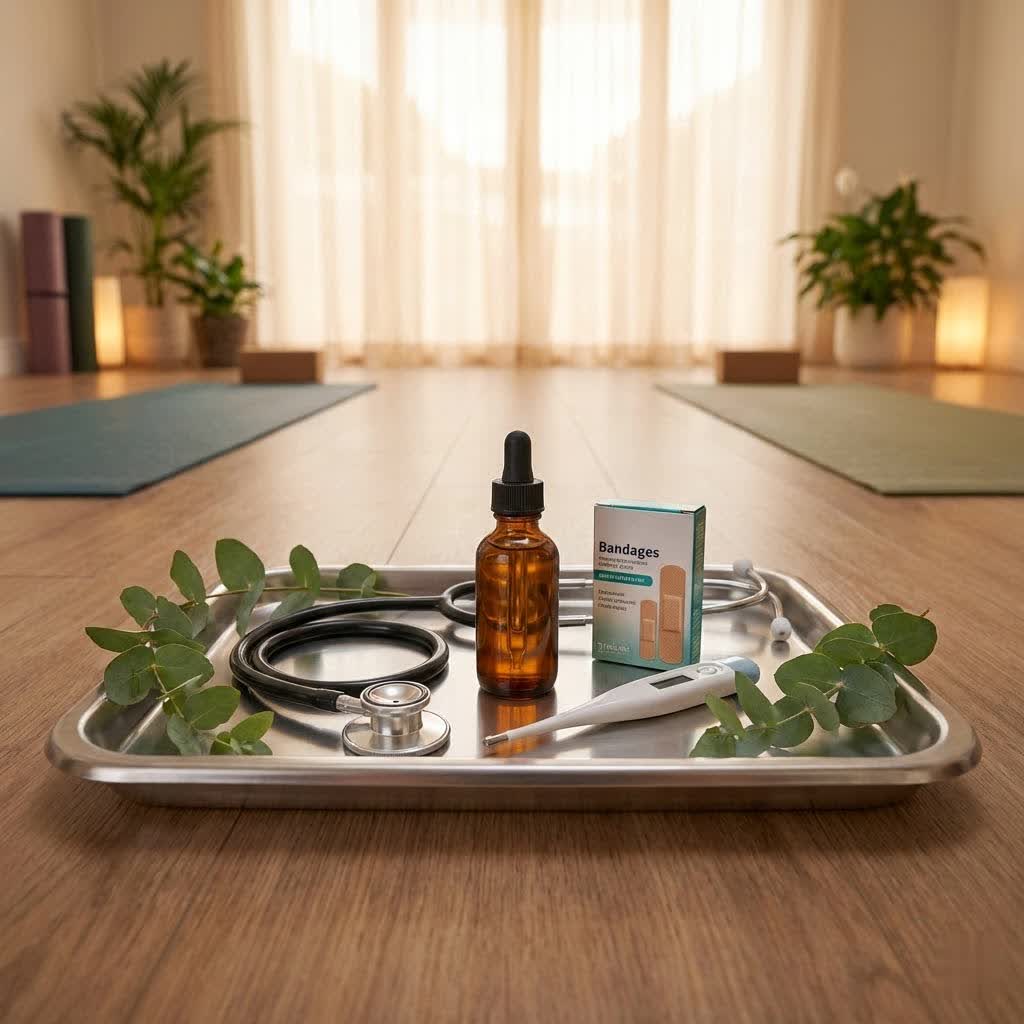
In a world where the unexpected can happen at any moment, being prepared is not just a recommendation—it’s a necessity. Imagine a minor cut turning into an infection, a sprained ankle miles from help, or a sudden emergency at home. Without the right tools, these situations can quickly escalate. This comprehensive guide will walk you through everything you need to know about medical kits, from understanding their vital role to choosing and maintaining the perfect one for your unique needs. We aim to equip you with the knowledge to make informed decisions, ensuring you and your loved ones are ready for any medical challenge life throws your way.
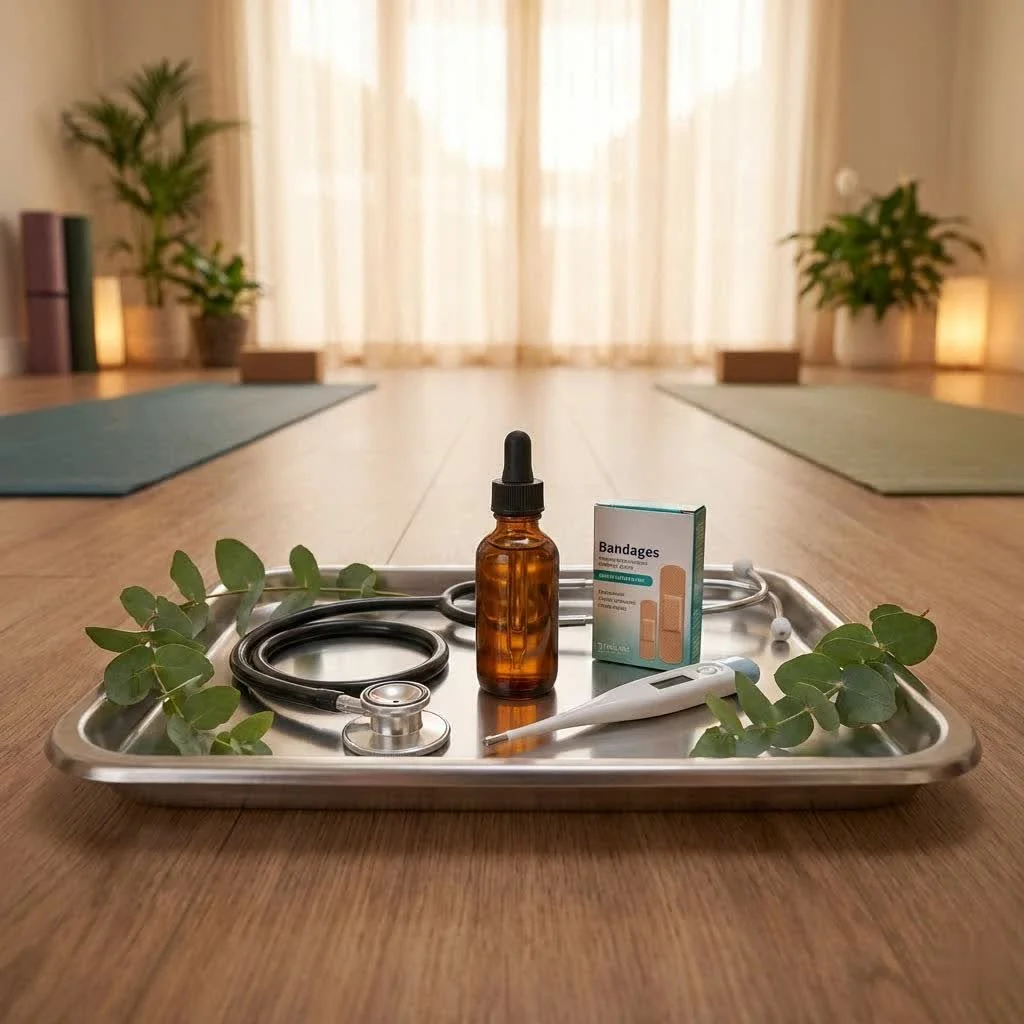
What is a Medical Kit and Why Do You Need One?
A medical kit, often referred to as a first aid kit, is a meticulously assembled collection of supplies and equipment designed to provide immediate medical care for injuries and emergencies until professional treatment becomes available. It’s your frontline defense against everyday mishaps and unforeseen crises, bridging the gap between an incident and advanced medical attention. For expert emergency reviews on this site.
The importance of having a well-stocked medical kit cannot be overstated. Accidents and sudden illnesses are an inevitable part of life, occurring at home, during travel, or even at work. From minor cuts and burns to more serious conditions like severe bleeding or allergic reactions, a readily accessible medical kit can prevent complications, reduce the severity of injuries, and significantly improve outcomes. For instance, prompt treatment of a wound can stave off infection, while quick action with a tourniquet can be life-saving in cases of severe hemorrhage. Equipping yourself with a medical kit means you’re not just reacting; you’re proactively safeguarding health and well-being.
Common Types of Medical Kits
Medical kits are not one-size-fits-all; their contents and design vary significantly depending on their intended use and the environment. Understanding these differences helps in selecting the most appropriate kit.
Family Medical Kit
A family medical kit is designed for household use, typically containing a broad range of items to address common injuries and illnesses that might affect family members of all ages.
- Components: Adhesive bandages, sterile gauze, antiseptic wipes, pain relievers (e.g., acetaminophen, ibuprofen), allergy medicine, hydrocortisone cream, thermometer, tweezers, and a first aid manual. Specific items like an oral medicine syringe for children or an epinephrine auto-injector for severe allergies may also be included.
- Pros: Comprehensive for general home use, often includes medications for common ailments, and can be customized for family-specific needs.
- Cons: Usually larger and less portable, may contain items with expiration dates requiring regular checks.
Travel Medical Kit
|
Our Picks for the Best Medical Kit in 2026
As an Amazon Associate I earn from qualifying purchases.
|
||
| Num | Product | Action |
|---|---|---|
| 1 | Adventure Medical Kit Ultralight/Watertight Medical Kit .5 - Up to 2 People, Up to 2 Days - Includes Bandages, Blister Essentials & More - Perfect for Hiking, Biking & Climbing |

|
| 2 | Mini First Aid Kit - 150 Piece Small Waterproof Hard Shell Medical Kit for Home, Car, Travel, Camping, Truck, Hiking, Sports, Office, Vehicle & Outdoor Emergencies- Small First Aid Medical Kit (Red) |
|
| 3 | 330 Piece First Aid Kit, Premium Waterproof Compact Trauma Medical Kits for Any Emergencies, Ideal for Home, Car, Travel, Camping, Hiking, Truck, Office, Sports (Medium) |
|
| 4 | Sundaymot Doctor Kit for Kids, 34 Pcs Pretend Playset for Toddlers, Doctor kit for Toddlers 3-5, with Medical Bag, Stethoscope and Other Accessories, for Boys and Girls Fun Role Playing Game |
|
| 5 | Car First Aid Kits 275Pcs Survival Gear Home Travel Size Small Emergency Kit Tactical Hiking EVA Camping Essentials Backpack Sports Office Boat Urgent Accident |
|
| 6 | Zonon Naloxone Overdose Emergency Kit Cabinet with Handle 7.5" L x 3.5" W x 9" H Magnetic Closing First Aid Cabinet Wall Mount Metal Medical Box for Public Space Storage Solution, White |
|
| 7 | Large First Aid Kit for Car, Travel & Home - Emergency Kit for Hiking, Camping, Backpacking and Outdoors - Includes Zip Stitch Wound Closure Strips |
|
| 8 | Large Pro First Aid Kit for Car, Travel & Home - Emergency Kit for Hiking, Camping, Backpacking and Outdoors - Includes Zip Stitch Wound Closure Strips |
|
| 9 | Be Smart Get Prepared First Aid Kit Hard Red Case 326 Pieces Exceeds OSHA and ANSI Guidelines 100 People - Office, Home, Car, School, Emergency, Survival, Camping, Hunting and Sports (20HBC01015REV3) |
|
| 10 | Survival Kit, 262Pcs Survival Gear and Supplies with First Aid Kit Pouch and Crossbody Bag, Emergency Kit with Tent, Camping Axe Hammer, Survival Shovel w/Pick, Bug Out Bag Gifts for Men Women |
|
Compact and lightweight, a travel medical kit is essential for journeys, whether a short road trip or an international adventure. Its contents are chosen for versatility and portability.
- Components: Smaller quantities of bandages, antiseptic wipes, pain relievers, anti-diarrhea medicine, motion sickness medication, and any personal prescription medications. Some specialized travel kits also include water purification tablets or insect repellent.
- Pros: Highly portable, designed to fit into luggage or a backpack, addresses common travel-related health issues.
- Cons: Limited in scope and quantity, may not be sufficient for major emergencies.
Car Medical Kit
A car medical kit is tailored for roadside emergencies and minor accidents that might occur while driving or during outdoor activities near your vehicle.
- Components: Beyond standard first aid supplies, these often include an emergency blanket, scissors, gloves, a flashlight, and perhaps a small splint. Some advanced car kits might also contain a window breaker or seatbelt cutter.
- Pros: Readily available in transit, robust enough for outdoor conditions, often includes items for both medical and minor vehicle-related emergencies.
- Cons: Contents can be affected by extreme temperatures inside a car, requiring more frequent checks.
Specialized Medical Kits
These kits cater to specific activities or environments, featuring components tailored to unique risks. Examples include wilderness kits, sports kits, and trauma kits.
- Components:
- Wilderness/Hiking Kits: Often contain blister treatment, snakebite kits (though less recommended now), sting relief, and more robust wound closure options.
- Sports Kits: Focus on sprains, strains, and cuts with elastic wraps, instant cold packs, and kinesiology tape.
- Trauma/Combat Kits: These are highly specialized for severe injuries, particularly major bleeding. They typically contain advanced hemostatic agents, chest seals, and critically, tourniquets. The Turn-I-Kit is an example of an innovative tourniquet designed for use by untrained first responders, featuring a simple 3-step process to stop bleeding fast with a large surface area for even pressure, minimizing soft tissue damage. Such tools are vital for effective hemorrhage control in high-risk scenarios.
- Pros: Highly effective for specific high-risk situations, containing specialized tools that general kits lack.
- Cons: May be overly specific for general use, potentially more expensive due to specialized contents.
Essential Components of a Medical Kit
Regardless of the type, certain components are universally essential in any medical kit, forming the backbone of effective first aid.
- Bandages and Dressings: These are fundamental for wound care.
- Adhesive bandages (Band-Aids): For minor cuts and scrapes.
- Sterile gauze pads (various sizes): Used for larger cuts, abrasions, and absorbing blood.
- Non-adhesive dressings: Ideal for burns or abraded skin.
- Elastic (crepe) bandages: For sprains, strains, and providing support or pressure.
- Triangular bandages: Versatile for slings, holding splints, or restricting movement.
- Adhesive tape: To secure dressings and bandages.
- Butterfly closure strips: To help close minor wounds, acting like temporary stitches.
- Antiseptics and Wound Care: To clean and protect against infection.
- Antiseptic wipes or solution: For disinfecting wounds and cleaning hands. Avoid alcohol on open wounds as it can delay healing.
- Antibiotic ointment: To prevent infection in minor wounds after cleaning.
- Hydrogen peroxide: Can be used for cleaning wounds, but some advise against its use on open wounds as it can damage cells.
- Medications: For pain, fever, and allergic reactions.
- Acetaminophen (Tylenol) and Ibuprofen (Advil): Pain relievers and fever reducers. Aspirin can be critical for suspected heart attacks in adults, but never for children under 19.
- Antihistamine: For allergic reactions, such as diphenhydramine.
- Hydrocortisone cream: To relieve irritation from rashes or insect bites.
- Aloe vera gel or Calamine lotion: For burns, itching, and skin irritations.
- Instruments and Tools:
- Scissors (with rounded tips): For cutting tape, gauze, or clothing.
- Tweezers: For removing splinters, ticks, or foreign objects.
- Thermometer: To check body temperature.
- Disposable gloves (non-latex): To protect hands and prevent infection.
- CPR breathing barrier/mask: For safe mouth-to-mouth resuscitation.
- Instant cold packs: For treating injuries and burns to reduce swelling.
- Emergency blanket (space blanket): For shock or exposure.
- Specialized Trauma Tools:
- Tourniquet: A vital tool for stopping severe arterial bleeding from a limb. Devices like the Turn-I-Kit, designed for untrained first responders, offer a simple yet effective way to apply pressure and control life-threatening hemorrhage. These are critical for trauma kits and situations where rapid blood loss must be addressed.
- Hemostatic agents: To promote clotting in severe bleeding (often found in tactical kits).
Comparing Medical Kit Types
Choosing the right medical kit often involves balancing price, contents, size, and specific features. Here’s a comparison to help you decide:
| Criteria | Family Medical Kit | Travel Medical Kit | Car Medical Kit | Specialized Medical Kit (e.g., Trauma) |
|---|---|---|---|---|
| Price | Moderate to High | Low to Moderate | Moderate | High |
| Contents | Broad range for common injuries/illnesses, medicines | Basic wound care, common travel meds, compact tools | Basic first aid, emergency blanket, auto-specific tools | Advanced wound care, tourniquets, hemostatic agents, chest seals |
| Size | Large, often a plastic container or wall-mounted box | Small, often a pouch or compact bag | Medium, durable case | Varies (pouch to larger bag), often rugged |
| Features | Customizable, comprehensive, good for multiple users | Portable, lightweight, good for minor ailments | Weather-resistant, accessible, includes roadside essentials | Designed for severe trauma, rapid bleeding control, critical interventions |
| Pros | Ready for daily home incidents, versatile | Easy to carry, fits in luggage, ideal for minor travel issues | Always in vehicle, covers common road incidents, durable | Life-saving in severe trauma, highly effective for specific injuries |
| Cons | Less portable, can expire, needs regular checks | Limited supplies, not for major trauma, medications may vary | Temperature sensitive, specific to car use, may lack depth for complex issues | Overkill for minor injuries, higher cost, requires some training for optimal use |
How to Choose the Right Medical Kit (Buying Guide)
Selecting the best medical kit requires careful consideration of your specific needs and potential risks.
- Determine Your Usage Needs:
- Personal: A compact kit for daily carry or a backpack.
- Family/Home: A comprehensive kit for general household use.
- Travel/Outdoor: A durable, often waterproof, kit adapted for different environments (hiking, camping, international travel).
- Work/Vehicle: Kits tailored to specific workplace hazards or roadside emergencies.
- Evaluate Kit Contents:
- Ensure the kit contains essential items for common injuries and illnesses you might encounter.
- Check for specific items like tourniquets if you anticipate scenarios involving severe bleeding, as found in a Turn-I-Kit for critical hemorrhage control.
- Verify inclusion of necessary medications (pain relievers, allergy meds) and remember personal prescriptions.
- Check Product Quality and Durability:
- Opt for kits from reputable manufacturers known for medical supplies.
- Examine the quality of bandages, instruments, and the container itself. A clear, waterproof, plastic container is often recommended for home kits.
- For outdoor or car kits, look for robust, weather-resistant materials.
- Compare Prices and Value:
- Don’t always choose the cheapest option; prioritize quality and comprehensiveness.
- Consider buying a basic kit and customizing it with additional items you need.
- Look for kits that offer good value for their contents and features.
- Read User Reviews and Expert Recommendations:
- Gain insights from others’ experiences with specific kits.
- Consult expert advice from medical professionals or first aid organizations (like the American College of Emergency Physicians or Red Cross) for trusted recommendations.
Reputable Medical Kit Brands
When it comes to preparedness, trusting the brand behind your medical kit is paramount. Here are some widely recognized and reputable brands known for their quality and comprehensive offerings:
- Surviveware: Often praised for their well-organized and durable kits, particularly their comprehensive premium first aid kits.
- Adventure Medical Kits (AMK): A popular choice for outdoor enthusiasts, offering lightweight and watertight kits tailored for hiking, camping, and travel.
- My Medic: Known for their robust and extensive kits, such as the MyFAK, which are designed to handle more serious injuries and trauma.
- Johnson & Johnson: A long-standing name in healthcare, offering reliable basic and travel-ready first aid kits.
- Protect Life: Offers a variety of kits, often highlighted for good value and versatility for home and car use.
- NOLS Med Kit: Developed by the National Outdoor Leadership School, these kits are designed for wilderness and expedition use, emphasizing practical solutions for remote environments.
- Uncharted Supply Co.: Provides well-equipped kits often with additional gear repair components, suitable for car camping and more extensive outdoor trips.
- Precision Trauma (Turn-I-Kit): While a newer, more specialized brand, their “Turn-I-Kit” tourniquet stands out for its user-friendly design, specifically aimed at empowering untrained first responders to manage severe bleeding effectively.
“A well-prepared medical kit isn’t just a collection of supplies; it’s a testament to your commitment to safety and readiness. It empowers you to act decisively when every second counts.” – Dr. Elena Petrova, Emergency Medicine Specialist
How to Effectively Use a Medical Kit
Having a medical kit is only half the battle; knowing how to use its contents effectively is crucial. It is highly recommended to take a first aid course and learn CPR.
- Assess the Situation: Always prioritize safety. Ensure the scene is safe before approaching the injured person.
- Call for Help: For serious emergencies, immediately call emergency services (e.g., 911). Keep emergency contact numbers readily accessible in your kit.
- Basic First Aid Steps:
- Control Bleeding: For minor cuts, apply direct pressure with a clean dressing. For severe bleeding, especially from limbs, a tourniquet like the Turn-I-Kit should be applied tightly and quickly above the wound to stop blood flow.
- Clean Wounds: Use antiseptic wipes or solution to clean minor cuts and abrasions to prevent infection.
- Dress Wounds: Apply sterile gauze or non-adhesive dressings and secure with adhesive tape or bandages.
- Manage Sprains/Strains: Apply an elastic bandage for support and use an instant cold pack to reduce swelling.
- Address Burns: For minor burns, cool with water, then apply a non-adhesive dressing or burn gel.
- Administer Medications:
- Follow dosage instructions carefully for pain relievers, allergy medications, and topical creams.
- Be mindful of age restrictions, especially for children (e.g., aspirin for adults only).
- Never use expired medications.
- Monitor and Seek Professional Care: After initial first aid, continuously monitor the injured person. Seek professional medical attention if the injury is severe, symptoms worsen, or you are unsure how to proceed.
Proper Medical Kit Storage
Proper storage and maintenance are vital to ensure your medical kit is always ready when needed.
- Ideal Storage Conditions:
- Keep your medical kit in a dry, cool location, away from direct sunlight or extreme temperatures.
- Ensure it is easily accessible to adults but stored out of reach of young children.
- For car kits, consider temperature fluctuations and choose durable containers.
- Regular Inspection and Replacement:
- Check your kit regularly, ideally every 6-12 months, and after each use.
- Replace any items that have been used, damaged, or are nearing their expiration date (especially medications, sterile solutions, and ointments).
- Check flashlight batteries.
- Organization:
- Organize items logically, perhaps by category (wound care, medications, instruments) to allow for quick retrieval during an emergency.
- A clear, waterproof container allows you to easily see the contents.
- Keep a checklist of contents inside the kit to simplify restocking.
Conclusion
Having a well-equipped medical kit is a cornerstone of personal and family safety. From handling minor scrapes with simple bandages to managing severe bleeding with a turner kit medical solution like the specialized Turn-I-Kit, preparedness empowers you to respond effectively to a myriad of emergencies. By understanding the different types of kits, knowing their essential contents, and adhering to proper usage and storage guidelines, you invest in peace of mind and the ability to protect those you care about. Don’t wait for an emergency to realize the importance of preparedness.
What steps will you take today to ensure your medical kit is fully optimized for safety and readiness?
Frequently Asked Questions
What should I prioritize in my medical kit if I can only include a few items?
If you have limited space, prioritize items for wound care (bandages, antiseptic wipes, sterile gauze), pain relief (acetaminophen or ibuprofen), and essential tools like tweezers and gloves. For high-risk activities, a reliable tourniquet is also critical. These cover the most common immediate needs in many emergencies.
How often should I update and replace items in my medical kit?
You should inspect your medical kit every six to twelve months, and immediately after any use. Replace any items that have been used, are damaged, or have expired, especially medications and sterile supplies, to ensure everything is effective and safe when an emergency arises.
Get our weekly buyer guide
Practical specs, not advice. Unsubscribe anytime.
