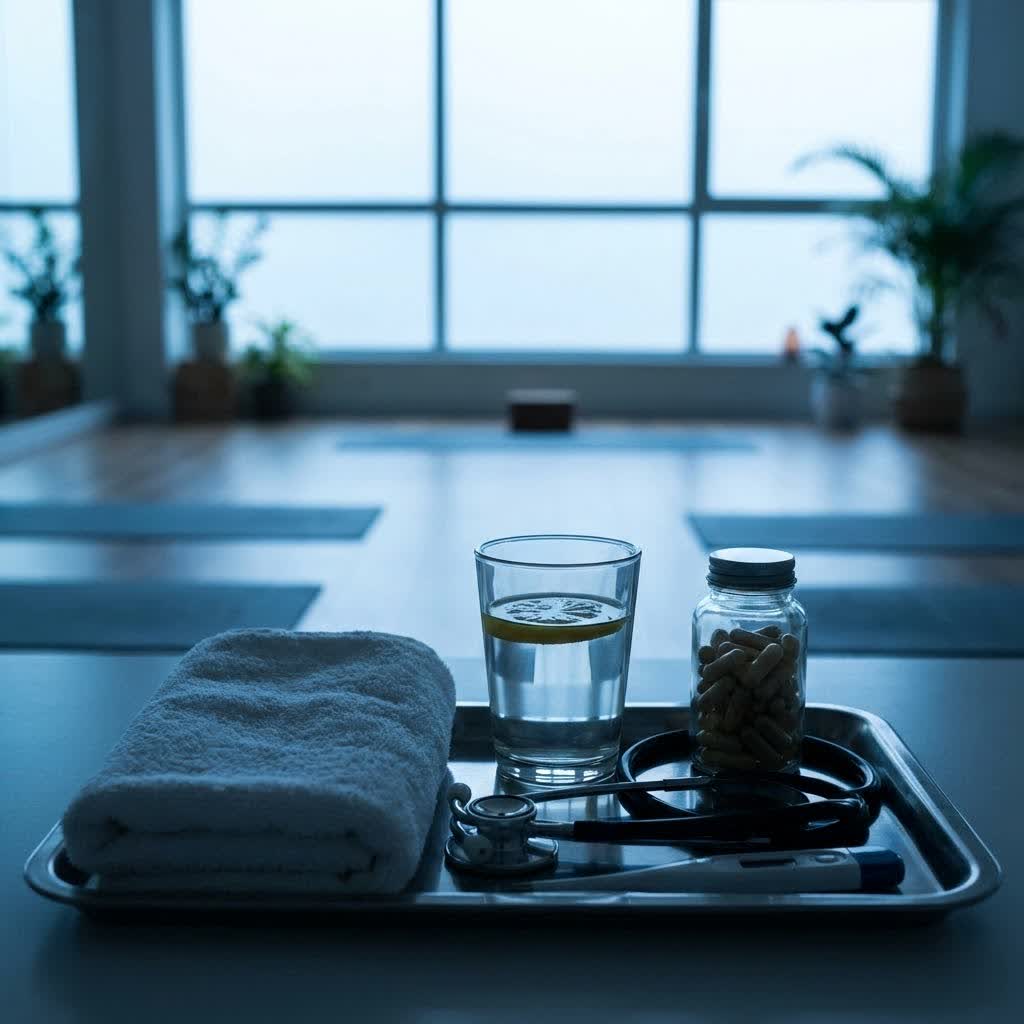
Life is unpredictable, and emergencies can strike at any moment, often when least expected. Whether it’s a scraped knee, a minor burn, or a more serious situation during a power outage or natural disaster, having a well-equipped emergency medical kit at home isn’t just a good idea—it’s an absolute necessity. Being prepared means you can act quickly and confidently, potentially preventing minor incidents from escalating and providing crucial care until professional help arrives. This comprehensive guide will walk you through everything you need to know to assemble and maintain the perfect medical kit for your household, ensuring your family’s safety and peace of mind.
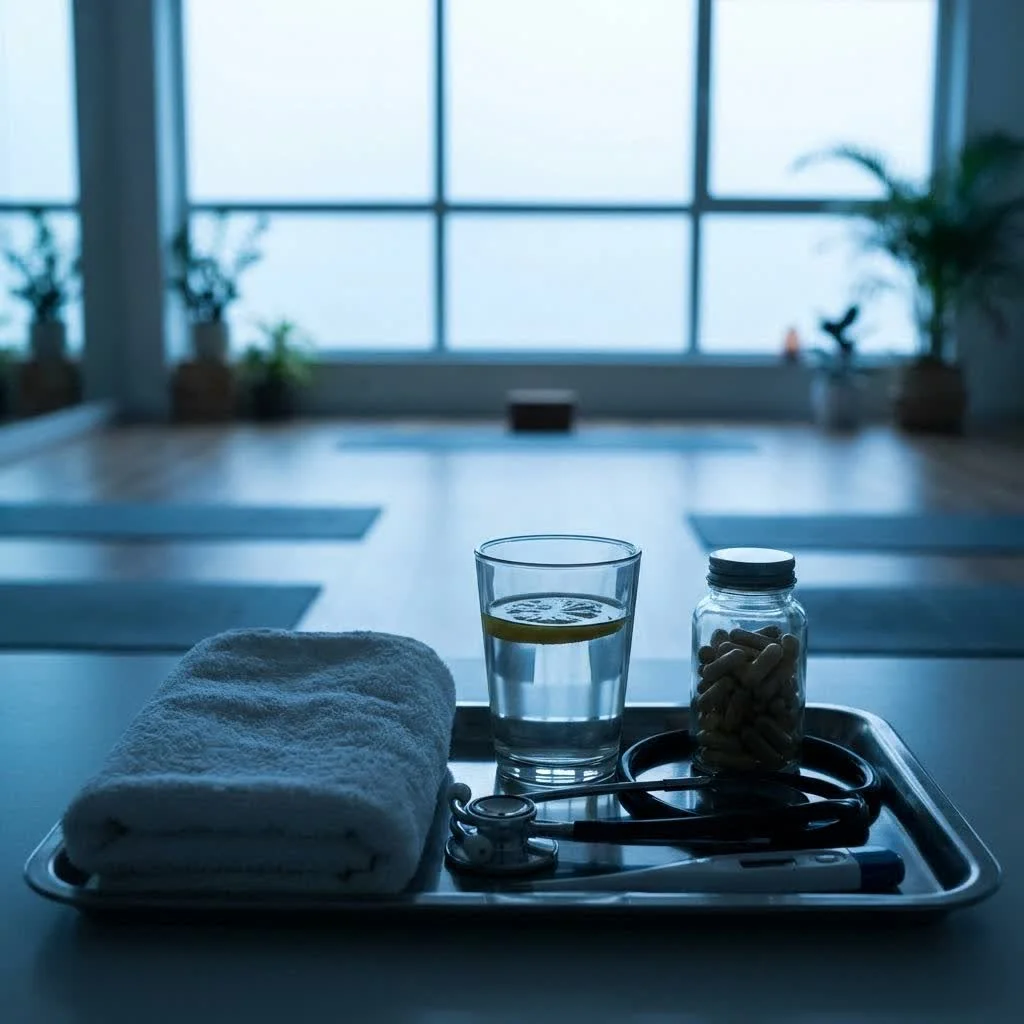
What is a Medical Kit and Why You Need One for Your Home?
An emergency medical kit is a collection of essential supplies designed to provide immediate care for injuries and illnesses. Think of it as your personal mini-clinic, ready to tackle a range of common accidents and health issues that can occur in your home. These kits are vital not only for everyday mishaps but especially during broader emergencies like natural disasters where access to medical services might be delayed for hours or even days.
In fact, household accidents are surprisingly common, with millions of injuries reported each year, many of which can be managed with basic first aid supplies. A well-stocked kit empowers you to respond effectively to cuts, sprains, burns, allergic reactions, and more, offering comfort and stabilization during those critical first moments. Beyond immediate treatment, knowing you have the right tools on hand brings immense peace of mind, allowing you to face unexpected events with greater confidence.
Common Types of Medical Kits
While our focus is on the home, understanding various medical kit types can help tailor your preparedness. Each serves a distinct purpose, offering specialized components for different environments and activities.
Home Medical Kit
Designed to handle a broad spectrum of common household injuries and illnesses, a home medical kit is typically larger and more comprehensive than portable versions. It should contain ample supplies for multiple individuals and a variety of ailments, from minor cuts and scrapes to more significant injuries that may occur during daily life or extended emergencies.
- Pros: Extensive range of supplies, sufficient quantities for families, often includes over-the-counter medications.
- Cons: Less portable, may require more organization to keep track of items.
Travel Medical Kit
When you’re away from home, a compact and portable medical kit becomes essential. Travel kits are streamlined versions, focusing on common ailments encountered on the go, such as blisters, motion sickness, minor cuts, and stomach upsets. They are designed to be lightweight and easy to carry in luggage or a backpack.
- Pros: Highly portable, compact, tailored for common travel-related issues.
- Cons: Limited in scope and quantity, may not cover more serious emergencies.
Car Medical Kit
|
Our Picks for the Best Medical Kit in 2026
As an Amazon Associate I earn from qualifying purchases.
|
||
| Num | Product | Action |
|---|---|---|
| 1 | Adventure Medical Kit Ultralight/Watertight Medical Kit .5 - Up to 2 People, Up to 2 Days - Includes Bandages, Blister Essentials & More - Perfect for Hiking, Biking & Climbing |

|
| 2 | Large Pro First Aid Kit for Car, Travel & Home - Emergency Kit for Hiking, Camping, Backpacking and Outdoors - Includes Zip Stitch Wound Closure Strips |
|
| 3 | Zonon Naloxone Overdose Emergency Kit Cabinet with Handle 7.5" L x 3.5" W x 9" H Magnetic Closing First Aid Cabinet Wall Mount Metal Medical Box for Public Space Storage Solution, White |
|
| 4 | Car First Aid Kits 275Pcs Survival Gear Home Travel Size Small Emergency Kit Tactical Hiking EVA Camping Essentials Backpack Sports Office Boat Urgent Accident |
|
| 5 | Be Smart Get Prepared First Aid Kit Hard Red Case 326 Pieces Exceeds OSHA and ANSI Guidelines 100 People - Office, Home, Car, School, Emergency, Survival, Camping, Hunting and Sports (20HBC01015REV3) |
|
| 6 | Survival Kit, 262Pcs Survival Gear and Supplies with First Aid Kit Pouch and Crossbody Bag, Emergency Kit with Tent, Camping Axe Hammer, Survival Shovel w/Pick, Bug Out Bag Gifts for Men Women |
|
| 7 | 330 Piece First Aid Kit, Premium Waterproof Compact Trauma Medical Kits for Any Emergencies, Ideal for Home, Car, Travel, Camping, Hiking, Truck, Office, Sports (Medium) |
|
| 8 | Mini First Aid Kit - 150 Piece Small Waterproof Hard Shell Medical Kit for Home, Car, Travel, Camping, Truck, Hiking, Sports, Office, Vehicle & Outdoor Emergencies- Small First Aid Medical Kit (Red) |
|
| 9 | Sundaymot Doctor Kit for Kids, 34 Pcs Pretend Playset for Toddlers, Doctor kit for Toddlers 3-5, with Medical Bag, Stethoscope and Other Accessories, for Boys and Girls Fun Role Playing Game |
|
| 10 | Large First Aid Kit for Car, Travel & Home - Emergency Kit for Hiking, Camping, Backpacking and Outdoors - Includes Zip Stitch Wound Closure Strips |
|
A dedicated kit for your vehicle is crucial for roadside emergencies, minor accidents, or injuries that might occur while out and about. These kits often include basic first aid supplies alongside items useful for roadside safety, like emergency blankets or a rescue whistle. They should be robust enough to withstand varying temperatures.
- Pros: Always accessible in your vehicle, contains essentials for on-the-road incidents.
- Cons: Can be exposed to extreme temperatures, contents may need regular checking for degradation.
Specialized Medical Kits
For individuals with specific hobbies, medical conditions, or those living in particular environments, specialized kits offer targeted solutions. This could include kits for outdoor adventurers, athletes, individuals with severe allergies (e.g., containing an EpiPen if prescribed), or those living in areas prone to specific natural disasters. These kits are customized to address unique risks.
- Pros: Highly tailored to specific needs or risks, can include advanced medical devices.
- Cons: May require more expertise to assemble, not suitable as a general-purpose kit.
Essential Components of a Home Medical Kit
A truly effective home medical kit is more than just a box of bandages; it’s a carefully curated collection of items ready for various situations. Here are the crucial components you should include:
Bandages and Dressings
These are the backbone of any medical kit, essential for wound care and protection.
- Adhesive Bandages (various sizes): For minor cuts and abrasions. Keep a wide assortment.
- Sterile Gauze Pads: Used for cleaning and covering larger wounds to absorb blood and exudate.
- Medical Adhesive Tape: Secures dressings and bandages firmly in place.
- Non-Stick Dressings: Prevents adherence to healing wounds, crucial for comfort during changes.
- Elastic Bandages (e.g., Ace wraps): Provides support for sprains and strains, reducing swelling.
- Triangular Bandages: Versatile for creating slings, covering large burns, or securing splints.
- Liquid Bandage or Super Glue (medical grade): Can seal small cuts and reduce bleeding quickly.
Antiseptics and Sterilization
Preventing infection is paramount in wound care.
- Antiseptic Wipes/Towelettes: For cleaning skin around wounds before applying dressings.
- Antiseptic Solution (e.g., hydrogen peroxide, povidone-iodine): Cleans and disinfects wounds effectively.
- Antibiotic Ointment (e.g., Neosporin): Applied to minor cuts and scrapes to prevent bacterial infection.
- Alcohol Prep Pads: Useful for sterilizing small tools like tweezers.
- Hand Sanitizer: For cleaning your hands when soap and water are not available.
Pain Relief and Medications
Over-the-counter medications can alleviate common symptoms. Always check expiration dates and consult a doctor before use, especially for children.
- Pain Relievers/Fever Reducers (e.g., acetaminophen, ibuprofen): Manages pain from injuries, headaches, and reduces fever.
- Antihistamine (e.g., diphenhydramine): For allergic reactions, insect bites, or hives.
- Anti-Diarrhea Medication (e.g., loperamide): To manage acute diarrhea.
- Antacids: For heartburn and indigestion relief.
- Hydrocortisone Cream: Relieves itching and inflammation from rashes, insect bites, and minor skin irritations.
- Burn Gel or Ointment: Provides immediate soothing relief and protection for minor burns.
- Calamine Lotion or Aloe Vera Gel: Soothes skin irritations and sunburns.
Tools and Equipment
These instruments aid in treatment and assessment.
- Scissors (blunt-tip): For cutting gauze, tape, or clothing.
- Tweezers: Essential for removing splinters, ticks, or other small debris from wounds.
- Thermometer (digital, non-glass): To accurately measure body temperature, especially useful for fever monitoring.
- Disposable Non-Latex Gloves: Protect both the caregiver and the injured person from infection.
- CPR Face Shield/Mask: Allows for safe mouth-to-mouth resuscitation.
- Flashlight with Extra Batteries: Critical for examining injuries in low-light conditions or during power outages.
- Instant Cold Packs: Reduces swelling and pain from sprains, strains, and bruises.
Other Critical Items
Don’t overlook these often-forgotten essentials.
- Sterile Saline Solution: For flushing eyes or cleaning wounds.
- Emergency Blanket (Mylar): Provides warmth and can help prevent shock.
- Medical Manual: A concise guide for basic first aid procedures.
- List of Emergency Contacts & Personal Medical Information: Include doctors, family members, allergies, and current medications.
- Prescription Medications: If you or a family member relies on daily prescriptions, keep a small emergency supply if safe to do so, labeled clearly.
Comparing Emergency Medical Kits
Choosing a pre-made medical kit can simplify preparedness, but knowing how to compare them is key. Here’s a general guide:
| Feature | Basic Home Kit | Comprehensive Family Kit | Portable/Travel Kit |
|---|---|---|---|
| Price Range | Low ($20 – $50) | Medium to High ($50 – $200+) | Low to Medium ($15 – $70) |
| Components | Bandages, antiseptic wipes, gauze, basic pain meds | Extensive wound care, full range of OTC meds, tools, specialized items | Band-Aids, small gauze, antiseptic, tweezers, travel-sized meds |
| Size/Portability | Medium, often a hard case or soft bag, stored at home | Large, robust case or backpack, designed for home/shelter-in-place | Small, compact pouch or container, highly portable |
| Best Use Case | Minor injuries, general household use | Family preparedness, extended emergencies, more serious injuries | Day trips, car, individual travel, minor scrapes |
| Pros | Affordable, easy to acquire, covers basics | Highly prepared, addresses diverse needs, durable container | Convenient, lightweight, ideal for on-the-go situations |
| Cons | Limited supplies, may lack specific medications/tools | Higher cost, requires dedicated storage space, less portable | Limited capacity, may not suffice for major incidents |
Your Guide to Choosing the Right Home Medical Kit
Selecting the ideal emergency medical kit involves thoughtful consideration of your household’s unique characteristics. A generic kit might cover some bases, but a customized approach ensures maximum effectiveness.
1. Assess Your Family’s Specific Needs
Consider the age of family members (infants, children, elderly), any chronic medical conditions (diabetes, asthma, severe allergies), and specific medications they take. If anyone has severe allergies, an auto-injector of epinephrine should be included if prescribed by a healthcare professional. Think about the activities your family engages in; a family of hikers might need different supplies than one primarily staying indoors.
2. Evaluate Kit Contents for Completeness and Quality
Whether buying pre-made or building your own, scrutinize the contents. Ensure there’s a good variety of bandage sizes, sufficient quantities of gauze, and the necessary medications. Check for quality of materials—are the scissors sturdy? Are the gloves durable? A well-stocked kit with flimsy supplies offers little comfort in a crisis. Many reputable organizations, like the Mayo Clinic and the Red Cross, publish comprehensive lists of recommended items that can serve as excellent checklists.
3. Consider Pre-Made vs. DIY Kits
- Pre-made kits: Offer convenience and are often designed by medical professionals. They are a great starting point, especially for those new to emergency preparedness. However, they may not always cater to specific family needs.
- DIY kits: Allow for complete customization, letting you choose specific brands, add personal medications, and tailor quantities. This option requires more effort in sourcing individual items but ensures your kit is perfectly suited to your household.
4. Check for Reputable Brands and Read Reviews
For pre-made kits, research brands known for quality and reliability. Brands like Surviveware, Protect Life, and Johnson & Johnson are frequently recommended for their comprehensive and well-organized kits. Read customer reviews to gauge user experience, ease of use, and overall satisfaction with the kit’s contents and durability. Look for kits that come in durable, water-resistant containers.
5. Budget Considerations
Medical kits come in a wide range of prices. While it’s important not to compromise on essential items, you can often find good value by comparing options. Sometimes, purchasing individual components for a DIY kit can be more cost-effective than a high-end pre-made kit, especially if you already have some supplies on hand. Prioritize critical items and add less urgent ones as your budget allows.
“A well-chosen medical kit isn’t just a collection of supplies; it’s an investment in your family’s safety and resilience, offering a tangible sense of control when unforeseen events occur.” – Dr. Eleanor T., Emergency Room Nurse
Reputable Medical Kit Brands for Home Use
When it comes to something as crucial as your family’s health, trust matters. Here are a few brands highly regarded for their emergency medical kits suitable for home use:
- Surviveware: Known for their highly organized, durable, and comprehensive kits. Their pouches often have labeled compartments, making it easy to find what you need quickly during a stressful situation.
- Protect Life: Offers a range of affordable yet well-stocked kits, often lauded for their value and inclusion of essential items suitable for home and travel.
- Johnson & Johnson: A household name in healthcare, their first aid kits are widely available and provide reliable basic supplies perfect for minor injuries.
- MyMedic: Specializes in premium, high-quality kits designed by first responders. While often pricier, they offer advanced components and robust construction, suitable for those wanting a very thorough setup.
- St John Ambulance: A global leader in first aid training and supplies, their kits are designed with practical application in mind, ensuring you have what’s truly needed.
Remember, even with a reputable brand, it’s always wise to review the contents against your specific needs to ensure it’s the right fit for your family.
How to Effectively Use Your Home Medical Kit
Having a kit is only half the battle; knowing how to use it effectively is just as important. Familiarize yourself and older family members with the kit’s contents and basic first aid principles.
Basic First Aid Principles
- Assess the Situation: Ensure the scene is safe before approaching the injured person.
- Call for Help: For serious injuries or emergencies, call emergency services immediately.
- Stop Bleeding: Apply direct pressure to wounds with sterile gauze.
- Clean Wounds: Use antiseptic wipes or solutions to prevent infection.
- Cover Wounds: Apply appropriate bandages and dressings.
- Comfort and Monitor: Keep the injured person calm, monitor their condition, and look for signs of worsening symptoms.
Step-by-Step for Common Injuries
- Cuts and Scrapes: Clean the wound with antiseptic, apply antibiotic ointment, and cover with a sterile bandage.
- Minor Burns: Cool the burn with cool (not cold) running water for several minutes, then apply burn gel and a non-stick dressing. Do not apply ice.
- Sprains and Strains: Use the R.I.C.E. method (Rest, Ice/Instant Cold Pack, Compression with an elastic bandage, Elevation).
- Allergic Reactions: Administer antihistamine. For severe reactions, use an EpiPen if prescribed and seek immediate medical attention.
Guidelines for Medication Use
- Read Labels Carefully: Always follow dosage instructions and warnings on all medications.
- Check Expiration Dates: Never use expired medications, as they can be ineffective or harmful.
- Keep Out of Reach of Children: Store all medications securely to prevent accidental ingestion.
- Personal Prescriptions: Ensure family members know how and when to take their specific prescription medications if they are stored in the kit.
Knowing When to Seek Professional Help
Your home medical kit is for immediate and temporary care. Always seek professional medical attention for deep wounds, severe burns, suspected fractures, persistent pain, severe allergic reactions, loss of consciousness, or any injury that you are unsure how to treat.
Proper Storage and Maintenance of Your Medical Kit
An emergency medical kit is only as good as its contents and accessibility. Proper storage and regular maintenance are vital to ensure it’s ready when you need it most.
Ideal Storage Conditions
Choose a location in your home that is:
- Easily Accessible: Everyone in the household (who is old enough to understand its purpose) should know where it is.
- Cool and Dry: Avoid extreme temperatures or humidity, which can degrade medications and supplies. A linen closet, pantry, or a designated shelf in a main living area are good choices.
- Out of Reach of Young Children: To prevent accidental ingestion of medications or misuse of tools.
- Well-Marked: A clear label on the container helps identify it quickly.
Regular Checks and Replenishment
Make it a habit to inspect your medical kit at least once every six months, or after any significant use.
- Check Expiration Dates: Discard and replace any expired medications or sterile supplies. Mark your calendar for these checks.
- Replenish Used Items: As soon as you use something, make a note and replace it promptly. Don’t wait for the next scheduled check.
- Inspect Packaging: Ensure all items are still sealed, dry, and free from damage.
- Update Information: Review the emergency contact list and medical information cards to ensure they are current.
Organizing Your Medical Kit
A well-organized kit saves precious time in an emergency.
- Categorize Items: Group similar items together (e.g., bandages, medications, tools).
- Use Clear Containers or Ziplock Bags: This keeps contents tidy and visible.
- Label Sections: If using a larger container, label compartments or smaller bags clearly.
- Place a Contents List Inside: A list can help you quickly identify what’s missing or if a specific item is available.
Conclusion
Creating and maintaining a well-stocked home emergency medical kit is a proactive step that every household should take. It’s an act of care, providing an immediate response to the bumps, bruises, and unforeseen challenges life throws our way. From minor cuts to more serious situations, your meticulously assembled kit serves as a critical first line of defense, offering both practical care and invaluable peace of mind. By preparing today, you ensure that you and your loved ones are ready to face tomorrow’s uncertainties with confidence and competence. What essential item will you add to your family’s medical kit today to bolster its readiness?
Frequently Asked Questions
How often should I check my home medical kit?
It’s recommended to check your home medical kit at least every six months. During this review, inspect all items for expiration dates, replenish any used supplies, and ensure packaging remains intact. Regularly updating your kit ensures that it’s always ready for use.
Can I build my own emergency medical kit?
Absolutely! Building your own kit allows you to customize the contents to your family’s specific needs, including personal medications, allergy considerations, and preferred brands. While it requires more effort than buying a pre-made kit, it ensures your kit is perfectly tailored for your household.
What’s the difference between a first aid kit and an emergency medical kit?
While often used interchangeably, an “emergency medical kit” for home typically implies a broader scope than a basic “first aid kit.” An emergency medical kit might include more extensive supplies, a wider range of over-the-counter medications, and potentially items for prolonged use during a larger emergency where immediate professional help is unavailable.
Where is the best place to keep a home medical kit?
The best place is somewhere easily accessible to adults, but out of reach of young children, and in a cool, dry environment. A pantry shelf, a hallway closet, or a dedicated cabinet in a main living area are often ideal. Avoid bathrooms due to humidity, and garages or cars due to extreme temperature fluctuations.
Should I include prescription medications in my home kit?
If you or a family member relies on daily prescription medications, it’s wise to include a small, emergency supply in your home medical kit, provided it’s safe to do so and stored appropriately. Always consult with your doctor or pharmacist about storing extra medication and ensure it’s clearly labeled with dosage instructions and expiration dates.
Are pre-made kits sufficient for home emergencies?
Pre-made kits are an excellent starting point and can handle many common home emergencies. However, for comprehensive preparedness, it’s advisable to review their contents and supplement them with items specific to your family’s unique needs, such as personal prescription medications, specialized tools, or additional quantities of frequently used items.
Get our weekly buyer guide
Practical specs, not advice. Unsubscribe anytime.
