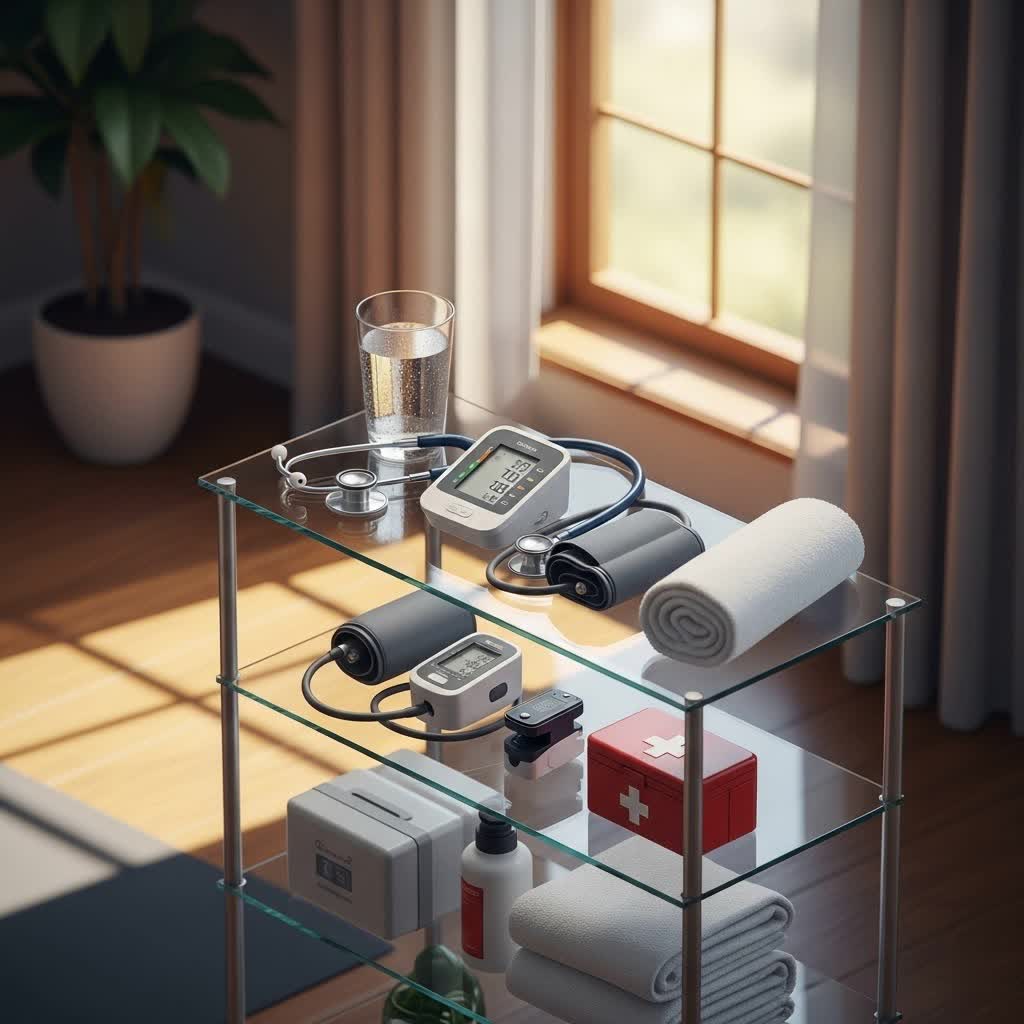
Embarking on a journey across the water, whether for a serene day trip or an adventurous offshore expedition, brings an unparalleled sense of freedom and excitement. Yet, the marine environment also presents unique challenges, where unexpected injuries or medical emergencies can quickly turn an idyllic outing into a precarious situation. Unlike on land, immediate access to professional medical help is often delayed or entirely unavailable at sea. This is precisely why a well-equipped marine medical kit isn’t merely a suggestion—it’s an absolute necessity. It serves as your vital first line of defense, empowering you to address health concerns and injuries effectively, ensuring the safety and well-being of everyone on board.
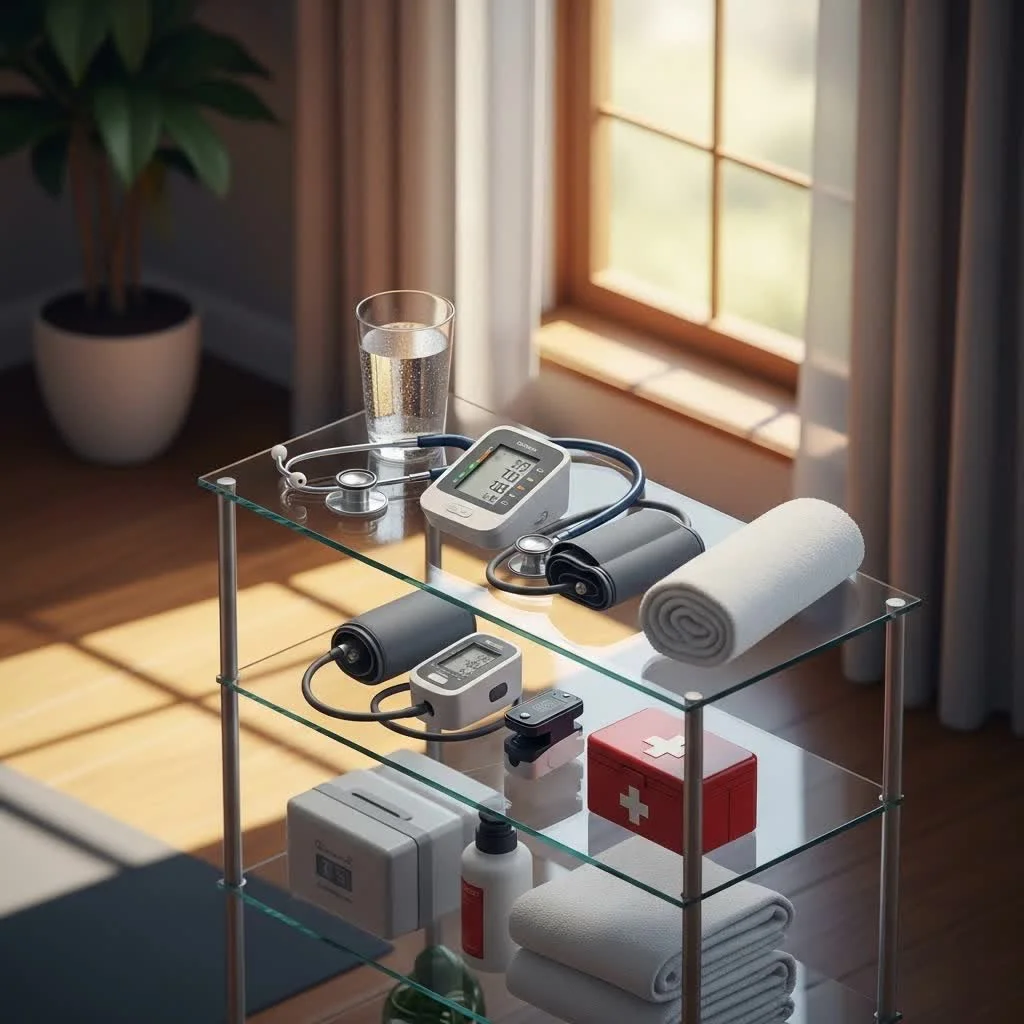
What is a Marine Medical Kit and Why is it Indispensable?
A marine medical kit is a specialized collection of medical supplies and equipment designed to tackle the unique health challenges encountered in aquatic environments. While a basic first aid kit is sufficient for minor cuts and scrapes at home, marine conditions demand a more robust and tailored approach. The harsh realities of the sea—saltwater exposure, limited access to shore, potential for motion sickness, sun-related injuries, and the possibility of more severe trauma—necessitate a kit built for resilience and comprehensive care. For complete emergency library on this site.
The indispensability of a marine medical kit stems from several critical factors. First, delayed response times mean you must be prepared for self-reliance. A minor issue ashore might warrant a quick trip to an urgent care clinic, but at sea, that same issue could escalate without prompt intervention. Second, specific marine hazards, such as jellyfish stings, fish hook injuries, severe sunburn, or hypothermia, require particular treatments that standard kits often lack. Third, regulations for both recreational and commercial vessels increasingly emphasize having appropriate medical provisions on board, underscoring their importance for legal compliance and crew safety. Investing in and understanding your marine medical kit is a commitment to peace of mind, allowing you to enjoy your time on the water with confidence, knowing you’re prepared for whatever comes your way.
Types of Marine Medical Kits for Every Voyage
The ideal marine medical kit isn’t one-size-fits-all; it depends heavily on the nature of your voyage, the number of people on board, and how far you venture from professional medical assistance. Understanding the different categories helps you select the right level of preparedness.
Personal & Day Trip Kits (Inshore/Coastal Basic)
For short excursions in calm, inshore waters, a basic personal or day trip kit is usually sufficient. These kits are compact and focus on common minor injuries and ailments.
- Components: Adhesive bandages (waterproof is a plus), antiseptic wipes, antibiotic ointment, pain relievers (ibuprofen, acetaminophen), motion sickness medication, tweezers, small scissors, and a basic first aid manual.
- Use Cases: Fishing trips, recreational boating close to shore, kayaking, paddleboarding.
- Pros: Portable, affordable, easy to store.
- Cons: Limited in scope, not suitable for serious injuries or extended isolation.
Coastal Cruising Kits (Extended Coastal)
|
Our Picks for the Best Medical Kit in 2026
As an Amazon Associate I earn from qualifying purchases.
|
||
| Num | Product | Action |
|---|---|---|
| 1 | Car First Aid Kits 275Pcs Survival Gear Home Travel Size Small Emergency Kit Tactical Hiking EVA Camping Essentials Backpack Sports Office Boat Urgent Accident |

|
| 2 | 330 Piece First Aid Kit, Premium Waterproof Compact Trauma Medical Kits for Any Emergencies, Ideal for Home, Car, Travel, Camping, Hiking, Truck, Office, Sports (Medium) |
|
| 3 | Sundaymot Doctor Kit for Kids, 34 Pcs Pretend Playset for Toddlers, Doctor kit for Toddlers 3-5, with Medical Bag, Stethoscope and Other Accessories, for Boys and Girls Fun Role Playing Game |
|
| 4 | Large First Aid Kit for Car, Travel & Home - Emergency Kit for Hiking, Camping, Backpacking and Outdoors - Includes Zip Stitch Wound Closure Strips |
|
| 5 | Large Pro First Aid Kit for Car, Travel & Home - Emergency Kit for Hiking, Camping, Backpacking and Outdoors - Includes Zip Stitch Wound Closure Strips |
|
| 6 | Survival Kit, 262Pcs Survival Gear and Supplies with First Aid Kit Pouch and Crossbody Bag, Emergency Kit with Tent, Camping Axe Hammer, Survival Shovel w/Pick, Bug Out Bag Gifts for Men Women |
|
| 7 | Adventure Medical Kit Ultralight/Watertight Medical Kit .5 - Up to 2 People, Up to 2 Days - Includes Bandages, Blister Essentials & More - Perfect for Hiking, Biking & Climbing |
|
| 8 | Mini First Aid Kit - 150 Piece Small Waterproof Hard Shell Medical Kit for Home, Car, Travel, Camping, Truck, Hiking, Sports, Office, Vehicle & Outdoor Emergencies- Small First Aid Medical Kit (Red) |
|
| 9 | Be Smart Get Prepared First Aid Kit Hard Red Case 326 Pieces Exceeds OSHA and ANSI Guidelines 100 People - Office, Home, Car, School, Emergency, Survival, Camping, Hunting and Sports (20HBC01015REV3) |
|
| 10 | Zonon Naloxone Overdose Emergency Kit Cabinet with Handle 7.5" L x 3.5" W x 9" H Magnetic Closing First Aid Cabinet Wall Mount Metal Medical Box for Public Space Storage Solution, White |
|
When your voyages extend further along the coast, perhaps a day or two from land-based medical facilities, a more comprehensive coastal cruising kit is essential. These kits bridge the gap between basic first aid and advanced medical care.
- Components: In addition to basic items, these often include more extensive wound care supplies (sterile gauze, roller bandages, medical tape), antihistamines for allergic reactions, anti-diarrheal medication, rehydration salts, hydrocortisone cream, burn gel, and potentially a splint for minor fractures. Many also include a more detailed marine first aid guide.
- Use Cases: Multi-day coastal sailing, longer fishing expeditions, trips to nearby islands.
- Pros: Better equipped for a wider range of incidents, enhances self-sufficiency.
- Cons: Larger and heavier than day trip kits, still might not cover all advanced medical needs.
Offshore & Expedition Kits (Oceanic/Advanced)
For serious offshore passages, transoceanic voyages, or extended stays in remote areas where definitive medical care could be days away, an offshore or expedition-grade medical kit is paramount. These kits are designed to allow a trained individual to manage significant medical issues.
- Components: These kits are often extensive, featuring advanced wound closure supplies (skin staplers, sterile scalpels), a broader range of prescription medications (e.g., strong pain relievers, antibiotics), intravenous fluids and administration sets, diagnostic tools (stethoscope, blood pressure cuff, oral airways), resuscitation equipment, and comprehensive trauma dressings. They invariably include an advanced marine medicine guide.
- Use Cases: Blue-water cruising, competitive sailing races, remote expedition charters.
- Pros: Provides capabilities for treating serious conditions, critical for prolonged self-sufficiency.
- Cons: Significant investment, requires specific medical training to use effectively, takes up more storage space.
Commercial Vessel Kits (Regulatory Compliance)
Commercial vessels, regardless of size or operating area, are typically subject to strict national and international maritime regulations regarding their medical supplies. Organizations like the UK Maritime and Coastguard Agency (MCA) define specific categories (e.g., Category A, B, C) that dictate the exact contents based on vessel type, crew size, and operational limits. The U.S. Coast Guard also has requirements, emphasizing watertight containers and easy accessibility.
- Components: Highly detailed and often specified by regulatory bodies, including a wide array of medications, advanced trauma supplies, specialized diagnostic tools, and sometimes even dental supplies. The quantity of each item is often prescribed according to the number of crew members.
- Use Cases: Commercial fishing vessels, cargo ships, passenger ferries, superyachts.
- Pros: Ensures legal compliance, comprehensive for diverse crew medical needs.
- Cons: Can be very expensive, requires regular professional auditing and replenishment, often needs a trained medical officer onboard.
Choosing the appropriate kit means honestly assessing your journey’s risks and your capacity to manage them.
Essential Components of a Comprehensive Marine Medical Kit
Building or selecting a marine medical kit requires careful consideration of the specific environment and potential emergencies at sea. A truly comprehensive kit goes beyond basic first aid to address a broad spectrum of injuries and illnesses.
Wound Care & Injury Management
The marine environment, with its slippery surfaces, sharp equipment, and potential for falls, makes cuts, scrapes, and more severe wounds common. Effective wound care is paramount to prevent infection, which saltwater can exacerbate.
- Adhesive Bandages: A variety of sizes, with waterproof options being highly recommended to ensure they stay secure despite splashes and humidity.
- Sterile Gauze Pads and Rolls: Essential for cleaning, covering, and absorbing blood from larger wounds.
- Antiseptic Wipes and Solution: Alcohol, povidone-iodine, or chlorhexidine wipes are crucial for sterilizing wounds to reduce infection risk.
- Antibiotic Ointment: To prevent bacterial growth in open wounds.
- Medical Tape: Both cloth and waterproof adhesive tape for securing dressings.
- Trauma Dressings: Larger, absorbent pads for significant bleeding, such as abdominal or trauma pads.
- Hemostatic Agents: Products like QuikClot gauze can be vital for controlling severe bleeding.
- Splints: Malleable splints (e.g., SAM splints) for immobilizing suspected fractures in limbs.
- Skin Closures/Sutures: Adhesive skin closures for small lacerations; for offshore kits, sterile scalpels, skin staplers, and suture kits may be included, requiring proper training for use.
Medications for Common Ailments
Even minor ailments can become significant discomforts or even dangers when far from shore.
- Pain Relievers and Fever Reducers: Acetaminophen (paracetamol) and Ibuprofen are essential for managing pain, headaches, and fevers. Aspirin can also be included.
- Motion Sickness Medication: Dimenhydrinate or meclizine are crucial for preventing and treating seasickness, which can quickly debilitate a crew member.
- Antihistamines: For allergic reactions, insect bites, or rashes. Non-drowsy options for daytime use and stronger ones for nighttime relief.
- Anti-Diarrheal & Laxatives: To manage gastrointestinal upset, which can lead to dehydration. Oral rehydration salts are also critical for fluid replenishment.
- Antacids: For heartburn and indigestion.
- Hydrocortisone Cream: For skin irritations, rashes, and minor allergic reactions.
- Topical Antifungal Cream: For common skin infections, especially in warm, damp environments.
- Burn Cream/Gel: For thermal burns, common around galleys or engines.
- Eyewash Solution: For flushing irritants from eyes, such as saltwater or chemicals.
- Specific Sting Treatments: Vinegar or specialized wipes for jellyfish stings.
- Prescription Medications: If traveling offshore, discuss with a doctor about including broad-spectrum antibiotics, stronger pain relief, and other necessary prescription drugs, along with clear instructions for their use.
Diagnostic & Emergency Tools
These tools enable more precise assessment and intervention in critical situations.
- Scissors and Tweezers: Essential for cutting bandages, removing splinters, or handling small items.
- Thermometer: A digital thermometer for monitoring body temperature.
- CPR Breathing Barrier: For safe administration of cardiopulmonary resuscitation.
- Disposable Gloves: Multiple pairs to maintain hygiene and protect caregivers.
- Emergency Blanket: A Mylar thermal blanket to prevent or treat hypothermia.
- Penlight: For examining pupils or inspecting wounds in low light.
- Stethoscope and Blood Pressure Cuff: For monitoring vital signs (especially in advanced kits).
- Oral Airways and Bag-Valve-Mask (BVM): For managing obstructed airways and assisting breathing (advanced kits, requires training).
- Syringes and Needles: For administering medications or flushing wounds (advanced kits, requires training).
Specialized Marine Items
The marine environment calls for specific adaptations to your medical kit.
- Waterproof Packaging: All supplies should be stored in a durable, watertight container or dry bags to protect them from moisture and saltwater.
- Sunscreen and Lip Balm with SPF: Essential for preventing sunburn and chapped lips, which are common on the water.
- Aloe Vera Gel: Soothing relief for sunburn.
- Insect Repellent: To protect against bites from mosquitoes and other insects when near land.
- Comprehensive Marine Medicine Guide: A detailed manual or book specifically tailored to medical emergencies at sea, offering guidance on diagnosis and treatment in remote conditions.
By including these essential components, a marine medical kit transforms from a simple collection of bandages into a powerful tool for maintaining health and safety during any marine adventure.
So Sánh Các Loại Medical Kit (Comparison Table)
Choosing the right marine medical kit involves weighing various factors. Here’s a comparison to help you understand the differences between common types.
| Feature | Personal & Day Trip Kit | Coastal Cruising Kit | Offshore & Expedition Kit | Commercial Vessel Kit |
|---|---|---|---|---|
| Target User | Individual, small family | Small crew, family | Experienced crew, larger vessel | Commercial crew, passengers |
| Voyage Type | Inshore, short duration | Extended coastal, nearshore | Blue water, remote, long duration | Regulated, any duration/distance |
| Distance from Help | Minutes to a few hours | Hours to 12-24 hours | Days or more | Defined by regulations |
| Container | Small, water-resistant bag | Medium, water-resistant case | Large, watertight, durable case | Large, rigid, regulated |
| Wound Care | Basic bandages, antiseptic wipes | Expanded bandages, gauze, tape | Advanced wound closure, trauma | Comprehensive, surgical grade |
| Medications | Pain relievers, motion sickness | Added antihistamines, GI meds | Broader range (antibiotics, Rx) | Extensive, specific quantities |
| Tools | Scissors, tweezers, thermometer | Splint, emergency blanket | Stethoscope, BP cuff, airways | Diagnostic, resuscitation, dental |
| Training Needed | Basic First Aid | Intermediate First Aid | Wilderness/Marine First Aid | Certified Medical Officer |
| Cost Range | Low ($20 – $70) | Medium ($70 – $200) | High ($200 – $1000+) | Very High ($1000s, ongoing) |
| Key Advantage | Portable, quick fixes | Better prepared for common issues | Self-sufficiency in remote areas | Legal compliance, robust care |
This table provides a general overview. Specific contents and features can vary significantly between brands and models, but it highlights the progression in complexity and capability as you move further offshore or manage more people.
Hướng Dẫn Chọn Mua Medical Kit (Buying Guide)
Selecting the ideal marine medical kit requires a thoughtful approach, aligning your needs with the kit’s capabilities. Here’s a guide to help you make an informed decision:
-
Xác định nhu cầu sử dụng (Assess Your Usage Needs):
- Personal, Family, or Crew: How many people will the kit serve? Larger crews require more supplies.
- Day Trip, Coastal, or Offshore: The duration and distance of your voyages are the most crucial factors. A day trip needs a basic kit, while offshore journeys demand extensive supplies for prolonged self-sufficiency.
- Type of Activities: Are you fishing (hook injuries), diving (barotrauma), or just leisurely cruising? Tailor the kit to potential hazards.
-
Xem xét thành phần của Medical Kit (Evaluate Kit Contents):
- Comprehensive Coverage: Ensure the kit includes items for common marine ailments (seasickness, sunburn, stings) and potential injuries (cuts, fractures, burns). Refer to the “Essential Components” section for a detailed list.
- Medication Specificity: Check if it contains necessary over-the-counter medications and if you need to add any prescription drugs specific to your crew’s health needs (e.g., allergies, chronic conditions).
- Quality of Supplies: Are the bandages, dressings, and instruments medical-grade and durable enough for the marine environment?
-
Kiểm tra chất lượng sản phẩm (Verify Product Quality):
- Waterproof and Durable Casing: The container itself must be robust, watertight, and resistant to saltwater corrosion. A good kit will keep contents dry even if submerged.
- Organization: A well-organized kit with clear, labeled compartments or bags allows for quick access to specific items during an emergency, which is crucial under stress.
- Expiry Dates: Ensure all medications and sterile supplies have ample shelf life. Reputable brands will provide fresh stock.
-
So sánh giá cả (Compare Prices):
- Value for Money: A higher price often reflects a more comprehensive kit with higher quality or specialized components. However, compare what’s included to avoid overpaying for a brand name without substance.
- Long-term Investment: Consider the durability and replenishability. A cheap kit that degrades quickly or can’t be easily restocked might cost more in the long run.
-
Đọc đánh giá của người dùng khác (Read User Reviews):
- Real-world Experience: User reviews offer invaluable insights into a kit’s practical performance, ease of use, and durability in marine conditions.
- Expert Recommendations: Look for reviews or recommendations from experienced boaters, maritime professionals, or safety organizations.
By meticulously evaluating these points, you can confidently choose a marine medical kit that provides the highest level of safety and preparedness for your specific adventures on the water.
Các Thương Hiệu Medical Kit Uy Tín (Reputable Marine Medical Kit Brands)
When it comes to marine safety, trusting your equipment is paramount. Several brands have established strong reputations for producing high-quality and reliable marine medical kits.
Adventure Medical Kits: Widely recognized in the outdoor and marine community, Adventure Medical Kits offers a range of options from compact day-trip kits to more extensive offshore packages. Their kits are known for durable, often waterproof packaging and well-organized, injury-specific compartments. They frequently include comprehensive medical guides tailored to wilderness or marine environments. Their Marine Series and World Traveler kits are popular choices, often integrating specialized items for marine hazards.
Surviveware: While not exclusively marine-focused, Surviveware’s general first aid and trauma kits are highly adaptable for marine use due to their robust construction and comprehensive contents. Many of their kits are designed with water-resistant bags and clear, labeled compartments, making them easy to use in stressful situations. Their larger kits are often favored for their extensive supply list and ability to be customized with additional items.
Coleman: Known for outdoor gear, Coleman offers basic marine first aid kits that are suitable for recreational boaters and day trips. Their kits typically feature waterproof hard cases, making them excellent for keeping supplies dry. While they may not be as comprehensive as specialized offshore kits, they provide reliable basic first aid for common minor incidents on the water.
Orion Safety Products: Orion specializes in marine safety equipment, including a range of first aid kits designed specifically for boats. Their kits often meet basic U.S. Coast Guard requirements for recreational vessels and are built to withstand the marine environment. The “Cruiser” and “Master Mariner” kits are examples, offering practical solutions for various boating needs.
When choosing a brand, consider not only their reputation but also their specific product lines. Many brands offer different tiers of kits, so assess whether a “coastal” kit from one brand aligns with your “offshore” needs or vice versa. Always verify the contents against your personal requirements and any applicable regulations.
Cách Sử Dụng Medical Kit Hiệu Quả (Effective Use of Your Marine Medical Kit)
Having a marine medical kit is only half the battle; knowing how to use it effectively is crucial for saving lives and preventing minor incidents from becoming major crises.
Hướng dẫn sử dụng các thành phần của Medical Kit (Understanding Kit Components)
- Familiarize Yourself: Before you even leave the dock, open your kit and become familiar with every item. Know where bandages are, identify medications, and understand the purpose of specialized tools. Many kits come with an inventory list or an organized system (e.g., color-coded pouches); learn this system.
- Read Instructions: Pay close attention to instructions for medications, wound dressings, and any advanced tools. If your kit includes a marine medicine guide, read through it, focusing on common emergencies you might encounter.
Các bước sơ cứu cơ bản (Basic First Aid Steps)
- Assess the Situation: Always prioritize safety. Ensure the scene is safe for both the patient and the rescuer. Identify the nature of the injury or illness.
- Call for Help (if possible): If the situation is severe and you are within communication range, call for professional medical assistance or advice.
- Initial Assessment (ABCDE): Check Airway, Breathing, Circulation, Disability (neurological), and Exposure (environmental). Address life-threatening issues first.
- Administer First Aid:
- Wounds: Clean with antiseptic, apply appropriate dressing, control bleeding with direct pressure, elevate. For severe bleeding, use hemostatic agents and apply pressure.
- Burns: Cool the burn with clean, cool water (not ice), cover loosely with a sterile dressing.
- Fractures/Sprains: Immobilize the injured area using a splint and secure it with tape or bandages.
- Motion Sickness: Administer medication early, encourage fresh air, keep the horizon in view.
- Hypothermia/Heatstroke: Manage body temperature with emergency blankets for hypothermia or cooling measures for heatstroke.
- Monitor and Record: Continuously monitor the patient’s condition and note any changes. Keep a record of observations, interventions, and medication administered, which will be invaluable for professional medical personnel later.
Lưu ý khi sử dụng thuốc và vật tư y tế (Considerations for Medications and Supplies)
- Dosage and Contraindications: Always follow dosage instructions carefully. Be aware of potential allergies or contraindications for any medications.
- Sterility: Maintain sterile technique when dealing with open wounds or sensitive areas to prevent infection.
- Storage: Return items to their designated spots after use to maintain organization.
- Never Self-Diagnose or Over-Prescribe: While a marine medical kit provides essential tools, it’s not a substitute for professional medical expertise. Use it to stabilize and manage until expert help can be obtained. If in doubt, err on the side of caution.
Consider taking a marine first aid or wilderness medicine course. These courses provide hands-on training and critical decision-making skills that are invaluable in a marine emergency.
Bảo Quản Medical Kit Đúng Cách (Proper Storage and Maintenance of Your Marine Medical Kit)
The effectiveness of your marine medical kit relies heavily on its proper storage and diligent maintenance. Neglect can render essential supplies useless when you need them most.
Điều kiện bảo quản lý tưởng (Ideal Storage Conditions)
- Watertight & Dry: Your kit must be stored in a completely watertight container to protect contents from spray, rain, and humidity. Even water-resistant bags should be placed inside a dry locker or protected area. Moisture can compromise sterile packaging and degrade medications.
- Cool & Dark: Extreme temperatures can affect the potency of medications and the integrity of certain supplies. Store the kit in a cool, dark location away from direct sunlight, engine heat, or freezing temperatures.
- Accessible: While protected, the kit must also be readily accessible in an emergency. Avoid stowing it at the bottom of a locker that requires unloading other gear. Consider a designated, clearly marked spot.
- Secured: On a moving vessel, ensure the kit is secured to prevent it from shifting or falling, especially in rough seas.
Kiểm tra định kỳ và thay thế vật tư hết hạn (Regular Inspection and Replenishment)
- Quarterly Checks: Conduct a thorough inspection of your marine medical kit at least every three months. For commercial vessels, regulations often mandate more frequent checks (e.g., every 3-6 months) by a qualified person.
- Check Expiry Dates: This is critical. Identify and replace any medications or sterile supplies that are expired or approaching their expiry dates. Keep a log of expiry dates for easier tracking.
- Inspect Packaging: Look for any damaged, torn, or compromised packaging on sterile items. Replace them immediately.
- Replenish Used Items: After any incident, no matter how minor, immediately restock any used items to ensure the kit is always complete. Keep a running list of items needing replenishment.
- Battery Check: If your kit includes battery-operated devices like a thermometer or penlight, check their batteries and replace them annually or as needed.
Cách sắp xếp Medical Kit gọn gàng và dễ tìm (Organizing for Efficiency)
- Categorize: Organize items into logical categories (e.g., wound care, medications, tools, diagnostic). Many commercial kits use color-coded pouches for this purpose.
- Label Clearly: Label each compartment or pouch clearly, indicating its contents. This allows for quick identification, especially when someone else might need to access the kit in an emergency.
- Medical Guide Placement: Ensure your marine medicine guide or first aid manual is easily found, ideally in the main compartment or a dedicated pocket.
- Inventory List: Keep an up-to-date inventory list inside the kit, noting contents and expiry dates. This helps with both checks and replenishment.
By adhering to these storage and maintenance practices, your marine medical kit will remain a reliable and effective resource, ready to provide critical care whenever a situation arises on the water.
Conclusion
A marine medical kit is more than just a collection of supplies; it’s a critical safety net that empowers you to respond confidently to the unpredictable challenges of the sea. From minor cuts to serious emergencies, the ability to provide immediate care can significantly alter outcomes, transforming potentially dangerous situations into manageable incidents. By understanding the different types of kits available, carefully selecting components tailored to your specific voyage, and meticulously maintaining your supplies, you are actively investing in the safety and well-being of yourself, your family, and your crew.
Preparedness on the water means embracing self-reliance, and a well-stocked, properly organized marine medical kit is the cornerstone of that readiness. Don’t let unforeseen circumstances compromise your enjoyment of the marine world. Are you confident your current marine medical kit is truly ready for any emergency your next adventure might bring?
Frequently Asked Questions
What’s the difference between a first aid kit and a medical kit for boats?
A first aid kit provides basic supplies for minor injuries like cuts and scrapes, while a marine medical kit is a more comprehensive collection. It includes a wider range of medications, advanced trauma supplies, and specialized tools tailored to the unique challenges and potential severity of emergencies far from shore.
Are marine medical kits required by law?
For recreational vessels, requirements vary by region, but basic first aid kits are generally mandated or highly recommended. Commercial vessels, however, are typically subject to strict national and international regulations (e.g., USCG, MCA) that specify the exact type and contents of their medical kits, often based on vessel size, crew, and operating distance from shore.
How often should I restock my boat’s medical kit?
You should inspect your marine medical kit thoroughly at least every three months, or more frequently if it’s used often or exposed to harsh conditions. During inspections, check all expiry dates for medications and sterile supplies, and immediately replenish any items that are used or expired to ensure full readiness.
Can I build my own marine medical kit?
Yes, you can assemble your own marine medical kit, and it’s often recommended as it allows for customization based on your specific needs, crew health conditions, and intended voyages. However, it requires careful research to ensure all essential items are included, supplies are medical-grade, and the container is waterproof and organized.
Get our weekly buyer guide
Practical specs, not advice. Unsubscribe anytime.
